
Adapting Your Company Strategy to the Changes in China’s Luxury Shopper Habits
After years of extraordinary growth, China's luxury market is entering a more measured phase. Consumers are becoming more price-sensitive and selective, paying closer attention to value. At the same time, prestige beauty and more accessible luxury categories appear to be holding up relatively well.
For international beauty, fragrance, and luxury brands, understanding these shifts in Chinese shoppers' mindset and adapting quickly could become an important factor in winning the battle for their attention and spending.
Changing Psychology of Spending from the Property Slump
One important reason behind this shift is China's prolonged property downturn. With property representing a significant share of household wealth, falling prices and continued uncertainty have weakened consumer confidence and shifted spending psychology. When people feel less financially secure, expensive discretionary purchases become harder to justify, making consumers more selective, price-conscious, and value-focused.
This does not mean Chinese consumers will stop spending. Instead, they may become more cautious about how they spend, placing greater emphasis on value, promotions, and whether a purchase feels genuinely worthwhile.
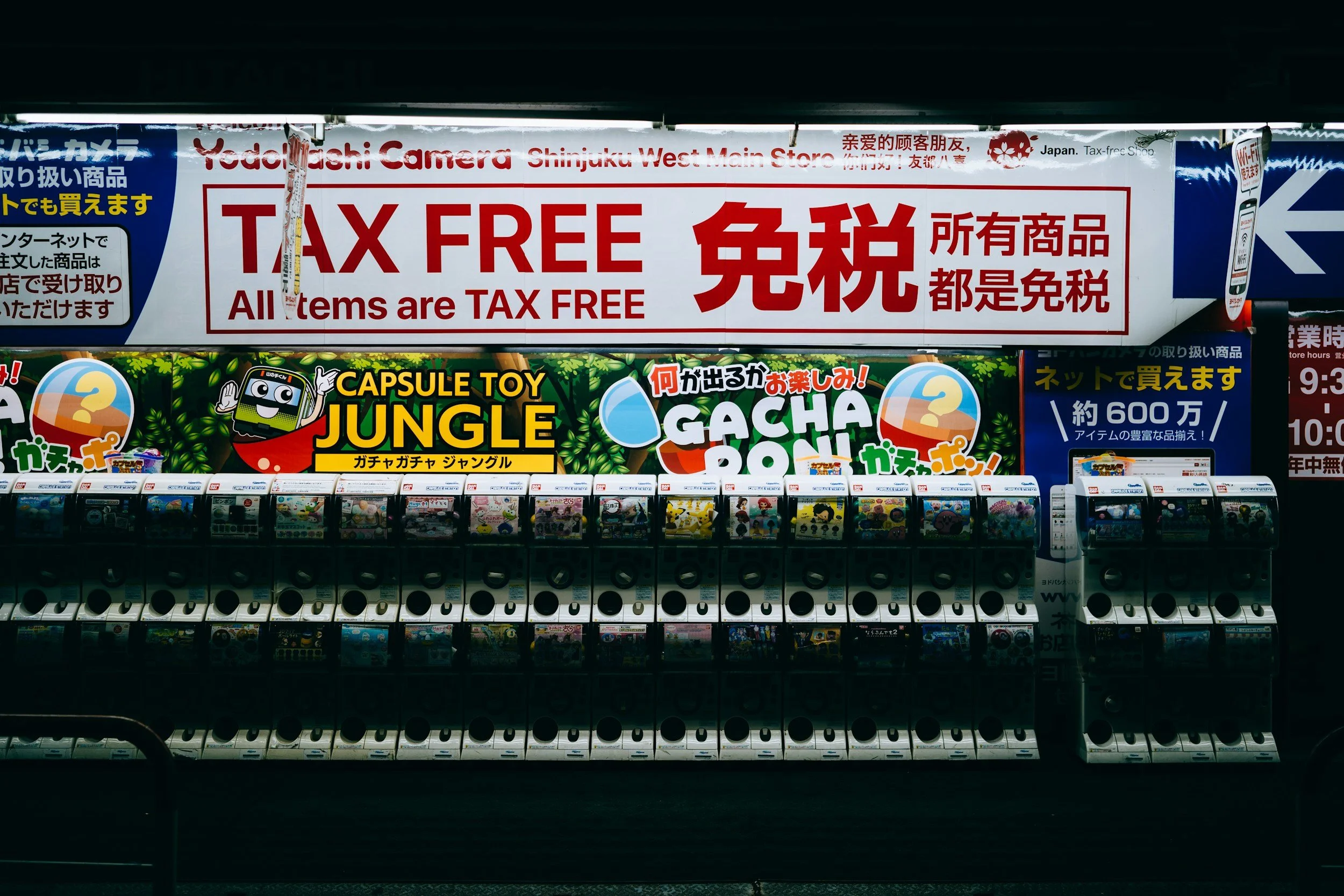
Demonstrate value to capture the changing dynamics of the Chinese market.
The Rise of Regional Travel
Chinese consumers still strongly want to travel, but changing spending habits and geopolitical developments are shaping where they choose to go. While long-haul destinations have traditionally been popular, travel patterns are increasingly shifting towards destinations closer to home, including Hong Kong, Thailand, and Singapore. Duty-free shopping remains an important part of this journey, both within China and across the region.
The growth of destinations such as Hainan reflects the opportunity to retain more Chinese luxury spending domestically, while regional travel retail offers another avenue to reach consumers abroad. However, as Bloomberg Opinion columnist Juliana Liu notes, travelers are becoming more selective, showing a stronger propensity to buy beauty and luxury apparel than higher-ticket products such as watches and leather goods. For brands, this could create opportunities to follow Chinese consumers across a wider network of travel and shopping destinations.
The Rise of Entry-Level Luxury
As Chinese consumers become more selective with discretionary spending, luxury brands may find increasing opportunities at more accessible price points. Prestige fragrance and beauty products can still deliver the aspiration, quality, identity, and indulgence associated with luxury without requiring the same financial commitment as a handbag, watch, or other high-ticket purchase.
This may help explain the resilience of prestige beauty. For consumers seeking greater value, smaller luxury purchases offer an accessible way to keep enjoying premium brands, creating an opportunity for companies to develop or strengthen entry-level luxury products that retain the brand's desirability and identity while lowering the barrier to purchase.
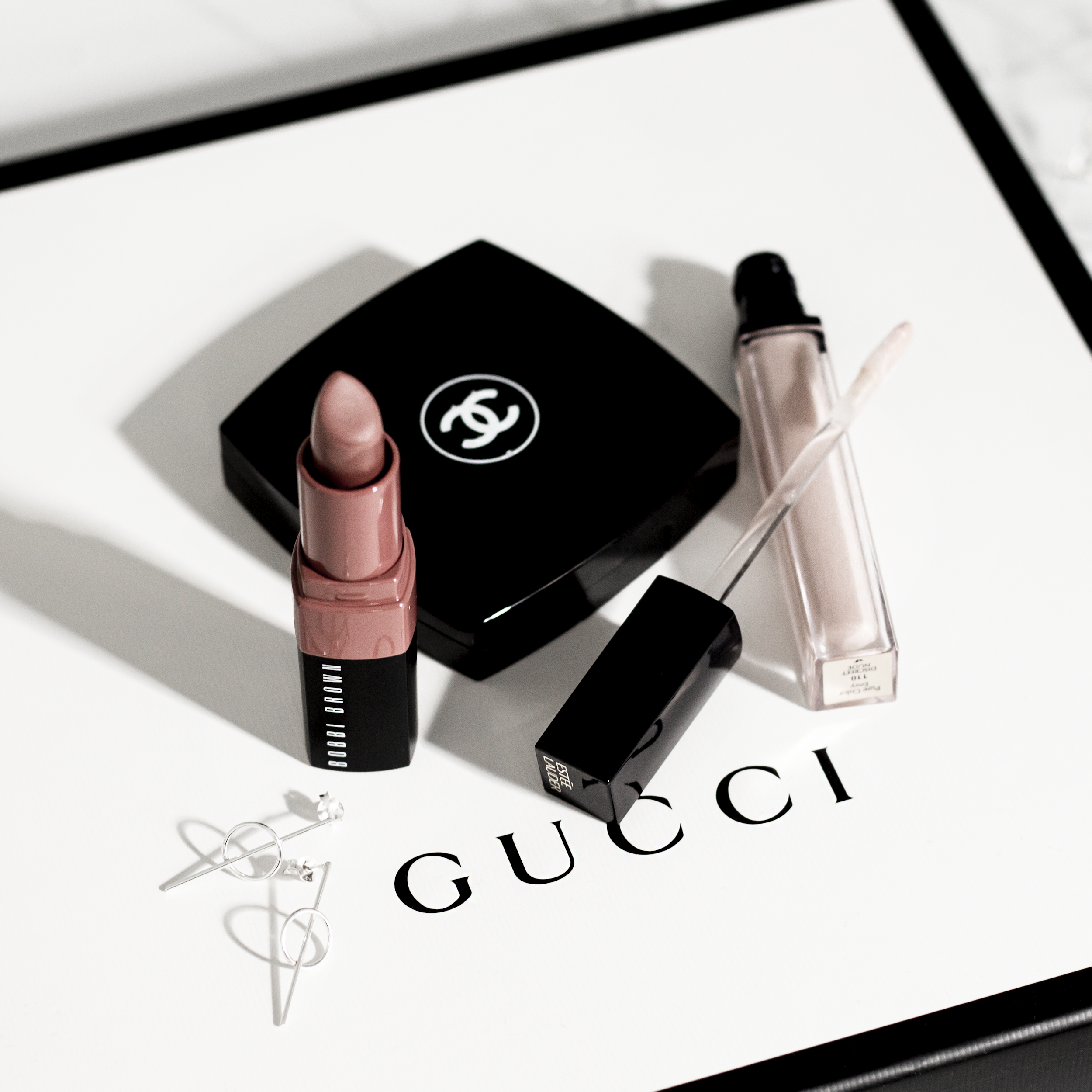
Prestige beauty provides greater access to price-conscious consumers.
Aligning Strategy to Demonstrate Value
With that in mind, how can companies adapt their strategies to better align with the changing mindset of Chinese consumers?
Develop entry-level luxury products. Create more accessible products that still carry the brand's prestige, quality, and emotional appeal.
Follow changing travel patterns. Consider where Chinese consumers are increasingly choosing to shop, whether domestically in destinations such as Hainan or regionally in major travel and retail hubs.
Demonstrate value, not simply lower prices. Promotions, exclusivity, convenience, and the overall product experience can all help make a purchase feel more worthwhile.
Localize campaigns for the Chinese consumer. Rather than relying on a global one-size-fits-all approach, campaigns should consider Chinese aesthetics, cultural preferences, and shopping behavior.
Connect multiple consumer touchpoints. The more cautious consumer may conduct more research before making a purchase and encounter a brand in many different contexts: from researching products online before traveling to seeing duty-free promotions, shopping at an airport, or discovering a new launch in another market.
Ultimately, companies should aim to create a connected experience for the Chinese shopper across domestic retail, regional destinations, airports, and duty-free channels. The goal is not simply to be present wherever Chinese consumers travel, but to make the brand relevant and accessible at the moments when they are actively considering a purchase.
The brands best positioned to succeed may be those that can answer not only what Chinese consumers want to buy but also where they will choose to buy it and what will convince them that it is worth buying now.

About the Authors
Colin Drysdale is Chief Strategy Officer, and Lente Lee is China Project Manager at Flynde, a global company providing translation solutions to businesses of all sizes.
Discover the best-in-class translation solutions for your business. Trusted & certified for all languages, with locations in Singapore, Switzerland & the USA. Flynde combines human translation expertise with advanced technology to deliver solutions across three business lines: Flynde for startups, Flynde for small businesses, and Flynde for corporations.
For more information, contact us at hello@flynde.com