
The Subversive Charm of Champing: Why Sleeping in Historic Churches Is Redefining Authentic Travel
In an era dominated by hyper-curated boutique hotels and predictable short-term rentals, the modern traveler is facing a quiet crisis of conformity. We search for "unique" experiences, only to discover the same minimalist interiors, artisanal coffee, and automated check-in procedures from London to Tokyo. Somewhere along the way, travel became standardized.
Yet one quietly growing movement is challenging that sameness by transforming some of England's oldest buildings into unforgettable places to stay.
Enter champing—the portmanteau of "church" and "camping."
Pioneered by the Churches Conservation Trust (CCT), champing offers travelers the rare opportunity to stay overnight in historic churches that no longer serve regular congregations. More than simply an unusual accommodation, these historic church stays have become a remarkable example of heritage tourism, combining historic preservation, slow travel, and meaningful cultural experiences.
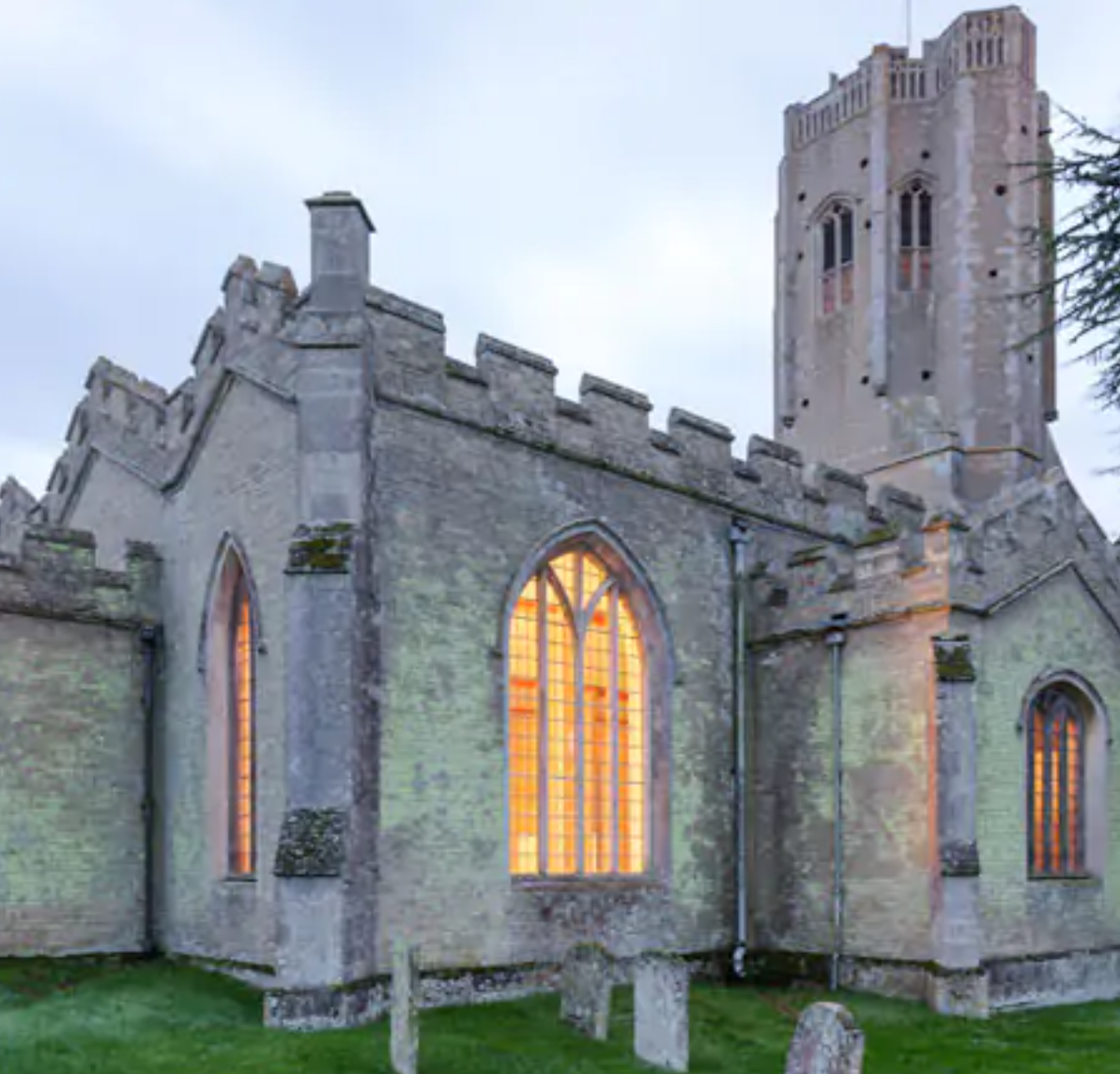
This summer, my girlfriend and I decided to experience it for ourselves. We wanted to discover what happens when you strip away the modern luxuries of hospitality and replace them with centuries of architectural grandeur, complete silence, and a profound sense of history.
Why Champing Is Redefining Slow Travel
To understand the growing appeal of champing, one must first understand the changing motivations of today's traveler. Increasingly, people aren't simply looking to escape their routines; they're looking to escape constant connectivity.
Many champing sites are nestled within beautifully preserved medieval churches in the villages of rural England, offering something that has become surprisingly rare: uninterrupted stillness. These historic church stays invite guests to disconnect from notifications and reconnect with architecture, history, and themselves. In an age of endless digital distractions, they offer perhaps the ultimate digital detox.
For local communities, champing represents far more than an interesting tourism concept. Maintaining centuries-old churches requires enormous financial resources, and shrinking congregations often leave these architectural treasures vulnerable to decay. By opening their doors as heritage accommodation, conservation organizations generate the revenue needed to repair ancient masonry, restore stained-glass windows, and preserve these remarkable landmarks for future generations.
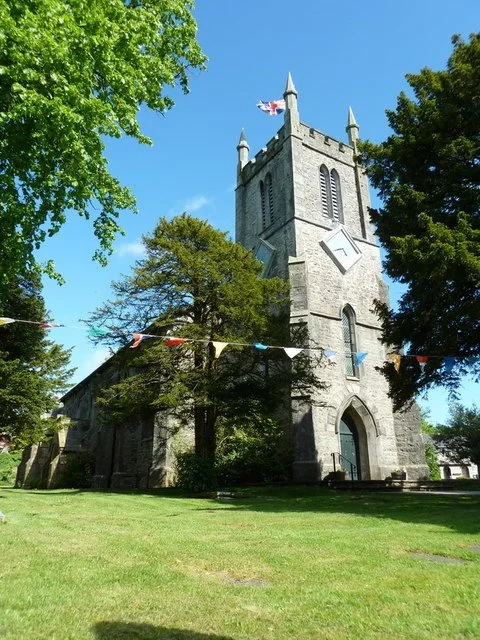
St. Thomas’ Church at Milnthorpe
It is a compelling model of regenerative tourism in which every overnight stay directly helps conserve England's cultural heritage.
What It's Like to Stay Overnight in a Historic Church
We arrived in the village of Milnthorpe in northern England just as the weather began to turn. The sun disappeared behind thick grey clouds, and a steady drizzle settled over the village. Rising proudly above the surrounding brick cottages stood St. Thomas' Church, its stone tower a quiet reminder of centuries past.
Stepping through the heavy wooden doors, I was immediately greeted by the unmistakable scent of old timber, ancient stone, and beeswax polish. It was a fragrance impossible to recreate—one that instantly made the space feel peaceful, timeless, and almost otherworldly.
Soon after, we met our hosts, Susan and Bryan, who welcomed us warmly with drinks, sweets, and genuine enthusiasm.
Like many church stays organized by the Churches Conservation Trust, the accommodation was intentionally simple. Unlike many redundant heritage sites, however, St. Thomas' remains an active church in exceptional condition. Local volunteers had prepared our sleeping area with camp beds, a kettle, battery-powered lamps, and a generous assortment of refreshments. After a brief introduction, Susan handed us the weighty church keys, leaving us alone inside one of England's most extraordinary accommodations.
That evening, we settled into the nave with our books and notebooks, occasionally looking up towards the sanctuary and the magnificent stained-glass windows illuminated by the fading daylight.
As darkness descended, the atmosphere transformed. What had been serene became almost majestic.
Outside, the rain intensified, and strong winds swept across the churchyard. Inside, we lay beneath soaring vaulted ceilings, listening to the weather echo gently through stone walls that had stood for centuries. It felt less like staying in a building and more like inhabiting history itself.
Looking back, however, what stayed with us most wasn't only the architecture but also the people.
We visited The Bull's Head, the village's local free house, where complete strangers welcomed us with warmth and curiosity. Throughout our stay, residents chatted with us, recommended places to explore, or simply asked whether we slept comfortably.
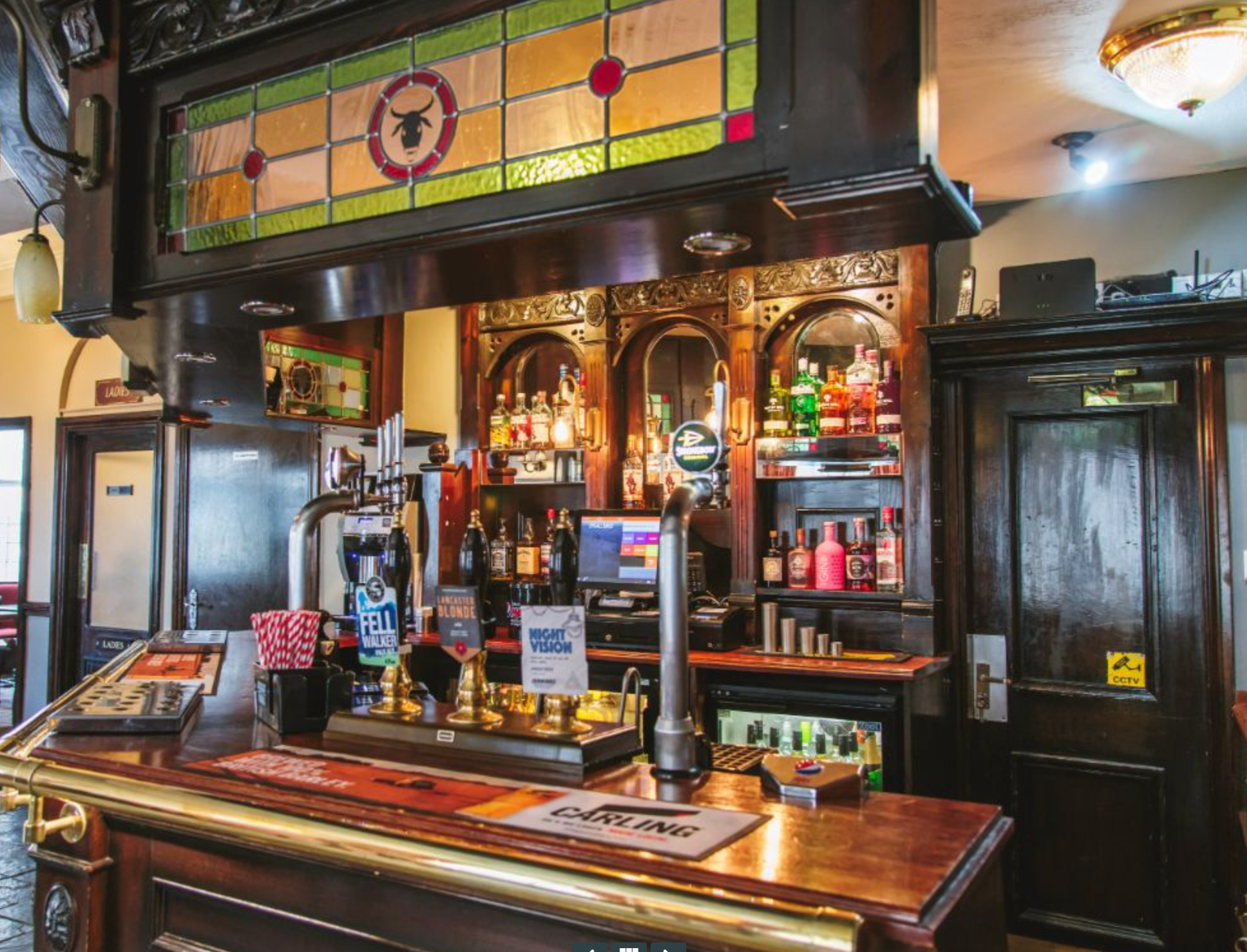
Bar at The Bull’s Head, Milnthorpe
That first night had, admittedly, been colder than expected.
The next morning, Susan quietly arrived carrying two thick sleeping bags borrowed from a fellow churchgoer. It was an act of kindness that perfectly captured the spirit of the experience. Thanks to her thoughtfulness, the remainder of our stay was wonderfully comfortable before we reluctantly left Milnthorpe the following day.
More Than an Unusual Place to Stay
Returning to city life, I realized that champing had fundamentally changed how I define luxury in travel.
True luxury is no longer measured by thread count, infinity pools, or frictionless automation. Instead, it is measured by space, silence, authenticity, and stories worth remembering.
Perhaps that explains why experiential travel continues to resonate with so many people. We increasingly seek experiences that cannot be mass-produced or replicated but are rooted in local history, culture, and community rather than polished perfection.
In many ways, this extends beyond tourism.
The success of champing demonstrates that authenticity cannot simply be designed into an experience. It emerges naturally from the people, traditions, and places that give a destination its identity. Whether welcoming visitors to a medieval church or introducing a global brand to a new market, genuine connection depends on understanding local culture rather than merely translating information.
It is a reminder that meaningful experiences, whether in travel or communication, begin by respecting the stories that already exist.
As travelers continue to push back against the commodification of global tourism, church camping proves that the future of sustainable tourism may not lie in building ever more spectacular destinations. Instead, it may lie in rediscovering the remarkable places we already have, unlocking their heavy wooden doors, and allowing ourselves the rare luxury of simply sitting, listening, and staying the night.
There is something profoundly surreal about waking up in a place built not for consumption, but for reflection.
Perhaps that's exactly why it stays with you long after you've returned home.

About the Author
Bert Nguyen is a Copywriter with Flynde, a global company specializing in translation solutions for businesses of all sizes.
Discover the best-in-class translation solutions for your business. Trusted & certified for all languages with locations in Australia, Singapore, Switzerland & the USA. Flynde takes human translation strategies and uses advanced technologies to deliver them to our customers across our three business lines: Flynde for startups, Flynde for small businesses, and Flynde for corporations.
For more information, contact us at hello@flynde.com