Hong Kong has always been a city of contrasts. East meets West, tradition meets modernity, and neighborhood tea houses sit alongside glass-fronted financial towers. But as the city enters a new chapter, its changing workforce is reshaping how people communicate and do business.
With more mainland Chinese professionals moving into the city, Hong Kong's cultural and linguistic landscape is evolving, bringing new perspectives and opportunities.
Three languages, one very Hong Kong identity
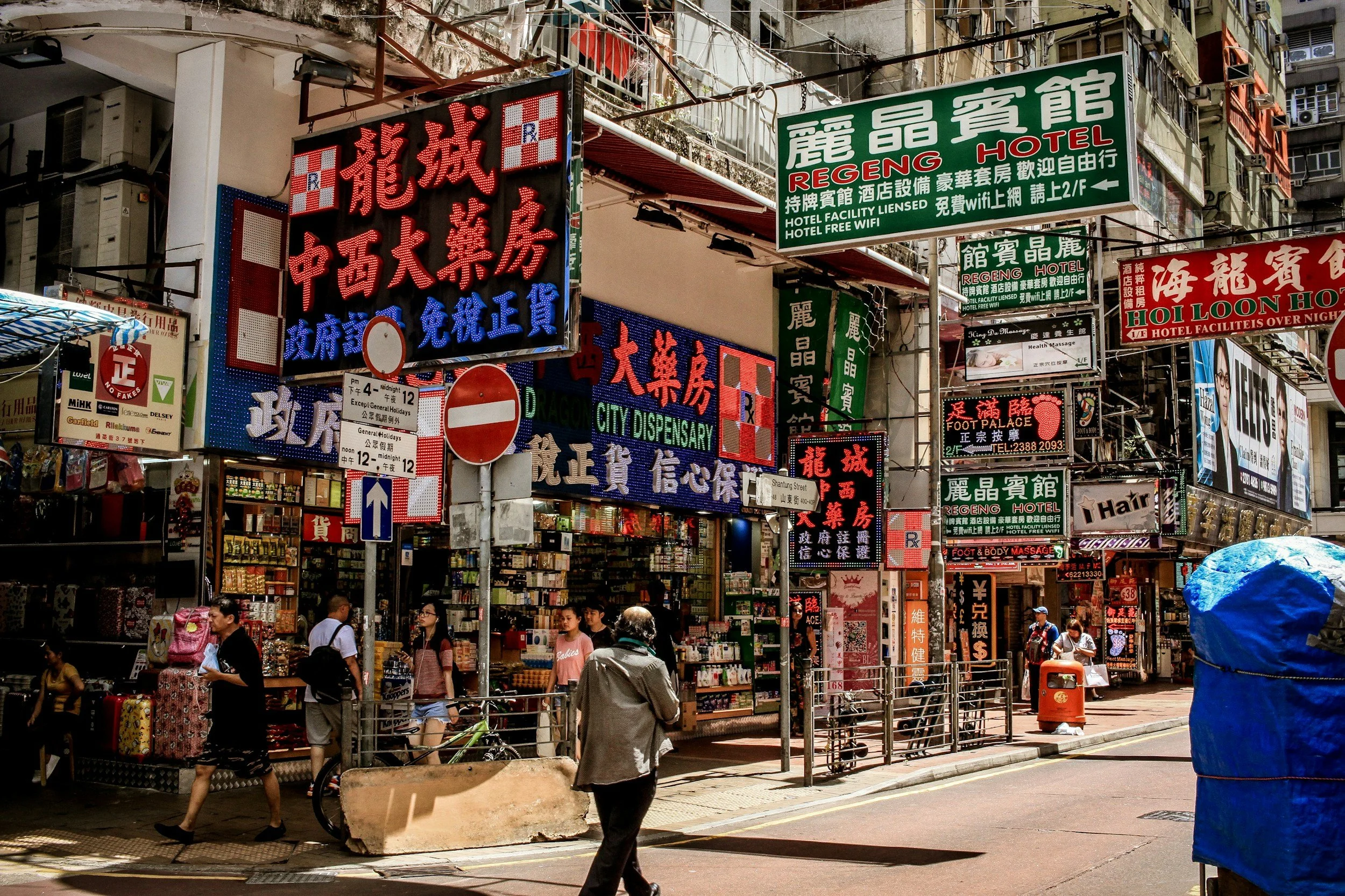
For anyone familiar with Hong Kong, language is never quite straightforward. Cantonese remains at the heart of everyday life, from local markets and family conversations to neighborhood restaurants. More than a means of communication, it is part of the city's cultural DNA.
Mandarin, meanwhile, is gaining importance in the workplace as business ties with mainland China deepen. For companies operating across the Greater Bay Area, speaking Mandarin is increasingly valuable.
Then there is English, which continues to connect Hong Kong with the international business community, particularly in finance, law, and professional services.
The result is a city where switching languages mid-conversation is perfectly normal. You might start in Cantonese, discuss a business opportunity in Mandarin, and finish an email in English. Multilingualism is practically a workplace superpower.

A changing workforce, new perspectives
As more mainland professionals settle in Hong Kong, different communication styles, business expectations, and workplace habits are coming together.
For businesses, this means understanding more than just a new customer base. A message that works in Hong Kong may not resonate in Beijing or Shanghai. Even when people speak the same language, differences in terminology, humor, and business etiquette can influence how a message is received.
Meanwhile, maintaining Hong Kong's international appeal will depend on its ability to welcome diverse talent and perspectives.
More than speaking the same language
Speaking Cantonese, Mandarin, or English is one thing. Understanding the cultural context behind the words is quite another. Humor, politeness, and even how people express disagreement can vary considerably between cultures.
For businesses looking to expand across the region, cultural awareness is becoming just as important as linguistic ability.
“Language is only part of the equation. A successful message needs to feel natural and relevant to the people receiving it,” said Lente Lee, Project Manager at Flynde. “Understanding local expressions, cultural nuances, and communication preferences can make all the difference between simply translating a message and truly connecting with an audience.”
A city finding its voice
Hong Kong's identity has never been static. As its connections with mainland China deepen, it has an opportunity to build on its unique position as a meeting point for Chinese culture and international perspectives.
It doesn't have to choose between Cantonese, Mandarin, and English, or between local heritage and a global outlook. It can embrace all three.
After all, in a city that never seems to slow down, speaking someone's language and understanding their culture might just be the most valuable business skill of all.
Hsing Lin is the Strategic Accounts Director at Flynde, a global company that provides translation solutions to businesses of all sizes.
Discover the best-in-class translation solutions for your business. Trusted & certified for all languages, with locations in Australia, Singapore, Switzerland & the USA. Flynde combines human translation expertise with advanced technology to deliver solutions across three business lines: Flynde for startups, Flynde for small businesses, and Flynde for corporations.
For more information, contact us at hello@flynde.com