
A Lesson from Korean Monks: Are We Doing Enough to Protect What Matters in a World of Rapid Change?
High in the hills of South Korea, the monks of Haeinsa Temple are engaged in a centuries-old mission: protecting something that cannot be replaced.
Haeinsa is home to the Tripitaka Koreana, a UNESCO World Heritage treasure comprising approximately 80,000 wooden printing blocks carved between 1237 and 1248. The blocks contain one of the world's most complete collections of Buddhist texts and remain remarkably well preserved in the temple's Janggyeong Panjeon depositories.
But preservation at Haeinsa isn't simply about putting something old behind glass and hoping it survives.
The temple is actively teaching the next generation how to keep traditional woodcarving alive. Its woodcarving school, established in 2023, has grown to 502 students, including 72 monks and nuns. Beginners start by learning to carve basic lines and shapes before progressing to the painstaking work of carving characters.
Growing up in Korea, I can appreciate the effort that the temple and its community are making to keep this tradition alive. There is something particularly fitting about their approach: preserving a tradition not simply by looking backward, but by teaching it forward.
There is also a fascinating connection between wood, writing, and language. The Tripitaka Koreana itself was carved in Classical Chinese, the written language through which Buddhist scriptures were transmitted across East Asia at the time. The precision of its thousands of carved characters is part of what makes the collection such an extraordinary cultural and artistic achievement.
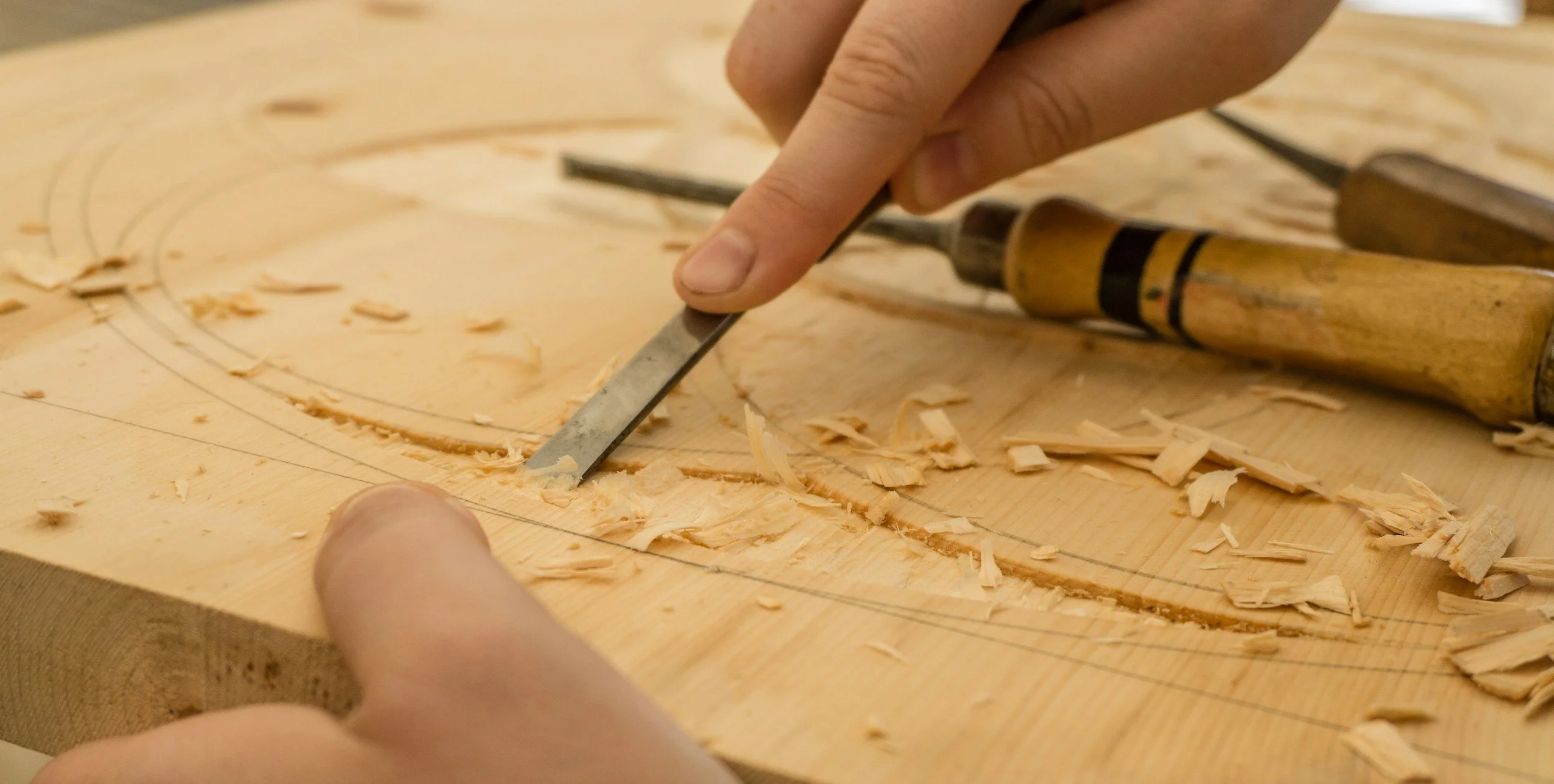
Today's students are learning the physical discipline behind this ancient form of written communication. As they progress, the school also brings tradition into the present by teaching the carving of Korean characters, connecting an age-old craft with the language of modern Korea.
The medium may be old, but the act of learning is very much alive. And the monks don't stop at craftsmanship.
The wooden buildings and printing blocks are vulnerable to fire, while Haeinsa's mountain environment presents its own challenges. UNESCO notes that wood construction makes the depositories susceptible to fire and that the site maintains 24-hour surveillance and a fire pump truck for immediate response.
The monks have also taken a more unconventional approach to preparedness. As reported by The Straits Times, they discovered that responding effectively to a fire required physical fitness. Exercise became part of their routine, eventually evolving into something considerably more enjoyable: football. What began as preparation has become recreation, camaraderie, and another way of ensuring that the people entrusted with protecting the temple are ready to respond when needed.
Here’s a lesson here for all of us. We are entering another period of extraordinary change. Industrialization transformed how we worked. Digitalization transformed how we communicate. Now, artificial intelligence is poised to transform how we create, translate, learn, and consume information. Every period of change brings new possibilities, but it also gives us an opportunity to pause and consider what we want to carry forward.
Languages and dialects evolve. Traditional crafts find new forms. Oral histories are recorded in new ways. Expressions that once belonged to one community travel further than ever before. Some traditions may become less common, while others may find entirely new audiences. The question isn't necessarily how we keep everything exactly as it was. Rather, how do we recognize what has value, and what can we do to help it continue to have a place in the future?
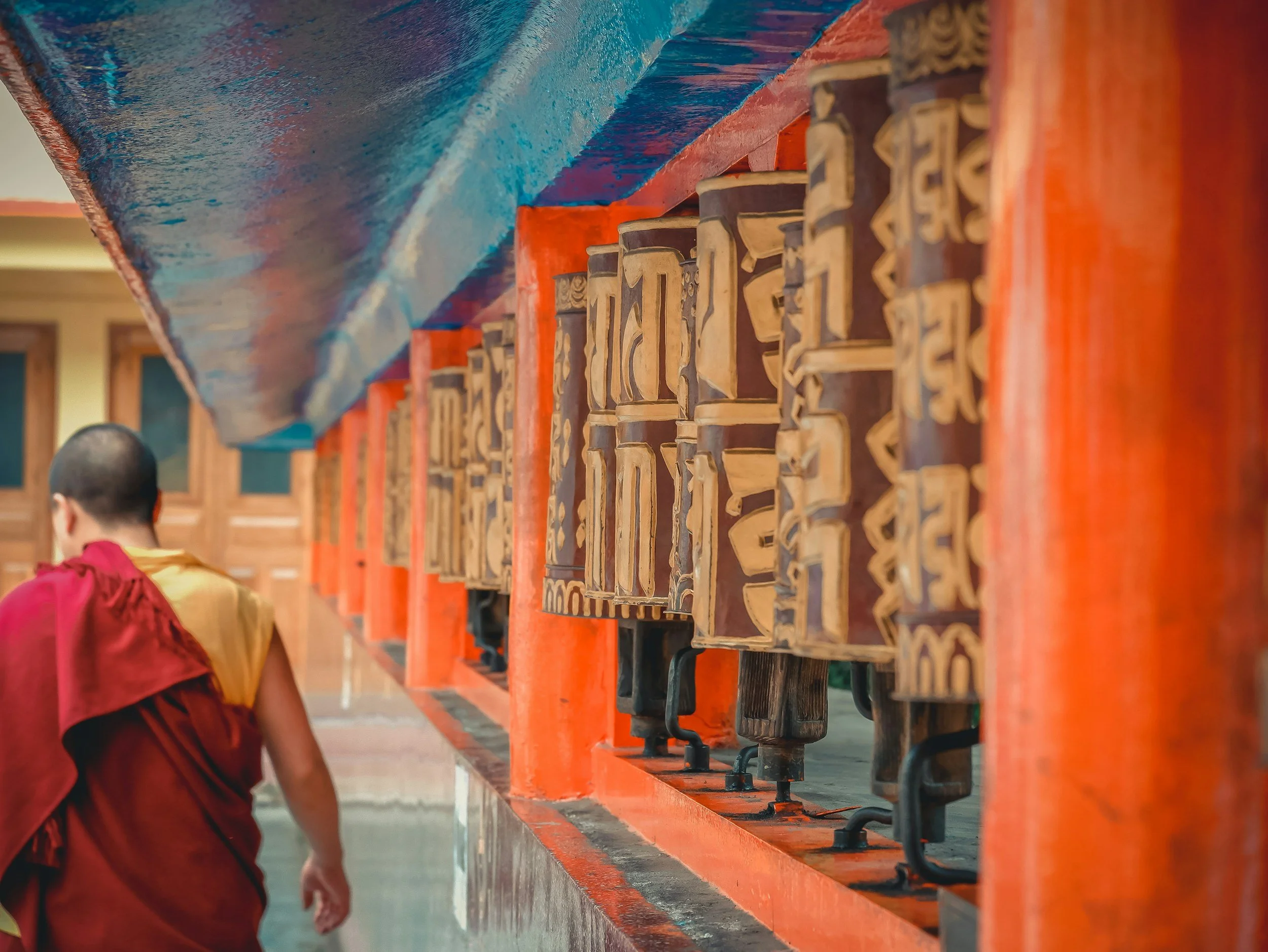
Preserving and protecting the world’s languages
The monks at Haeinsa offer an interesting model for how we might approach this.
Identify what is worth preserving. The monks understand the extraordinary value of the Tripitaka Koreana, so protecting it becomes part of their daily lives.
Understand what puts it at risk. For the monks, that means everything from fire and environmental conditions to the gradual loss of traditional woodcarving skills.
Invest in the next generation. The woodcarving school gives younger people the opportunity to learn a skill that might otherwise become increasingly difficult to pass on.
Find ways to make preservation relevant to the present. Even football has become part of the monks' efforts to stay fit and ready to protect the temple.
Perhaps there is something here for all of us.

JW Lee is the Korea Business Development Mlanguages,anager with Flynde, a global company providing translation solutions to businesses of all sizes.
Discover the best-in-class translation solutions for your business. Trusted & certified for all languages with locations in Singapore, Switzerland & the USA. Flynde combines human translation strategies with advanced technologies to deliver solutions to our customers across our three business lines: Flynde for startups, Flynde for small businesses, and Flynde for corporations.
For more information, contact us at hello@flynde.com