From Permanent Jobs to Permanent Reinvention: Where Do We Fit in the Future of Work?
For generations, the career path seemed reassuringly predictable: get a good education, land a permanent job, work your way up, and build a stable career. If a permanent position was out of reach, a contract role could give you a foot in the door, with the hope that it would eventually lead to something more secure.
That career ladder is becoming harder to recognize.
Contract work was once viewed as a stepping stone to permanent employment. Then Covid-19 changed the workplace. Working from home showed that many jobs could be done with greater flexibility, while the gig economy expanded as people found new ways to earn outside traditional employment.
For some, this was liberating. A permanent job was no longer the only definition of a career.

Then came AI. Automation is suddenly no longer limited to repetitive factory or administrative tasks. AI can increasingly handle research, content creation, analysis, customer service, coding, and other knowledge-based work.
For fresh graduates, the concern is how they will navigate an increasingly competitive workplace when some of the entry-level and junior positions through which people traditionally gained experience are being reshaped, or in some cases, eliminated by AI.
If AI can perform some of the work done by permanent employees and junior professionals, are similar dangers also creeping into the gig economy?
With automation increasingly reaching across all levels of employment, what is left for us?
Before we scurry off trying to find the next job or project, perhaps it would be wise to take a step back and understand what makes us employable.
A recent term that has entered the workplace vocabulary is “lily padding.” Unlike the traditional career ladder, where each move is expected to take us one step higher within an organization, lily padding describes moving from one “lily pad” to another by changing roles, companies, or even industries to build skills, experience, and options.
It may sound like another trendy label for job-hopping. But something significant lies behind it. If permanent employment can no longer guarantee permanence, career security may increasingly come from building capabilities that let us move when the ground beneath us changes.
The future of work may involve moving repeatedly between permanent employment, project-based work, consulting, freelancing, and entrepreneurship. Career security may depend less on holding one job and more on having skills, relationships, and expertise that remain valuable across different jobs, industries, and markets.
That means becoming comfortable with permanent reinvention.
Instead of only asking, “What job can I get?" perhaps we should increasingly ask, "What can I do that creates value, and how do I keep evolving as the way that value is delivered changes?”
How can we reposition ourselves?
Build skills, not just job titles. Develop capabilities that travel with you across organizations and industries. Treat every role as an opportunity to acquire your next skill.
Learn to work with AI. AI literacy is becoming part of professional literacy. Don't compete with AI on what it does well; learn how to use it to do more.
Strengthen distinctly human capabilities. Communication, critical thinking, creativity, judgment, and relationship-building become increasingly important as technology handles more routine work.
Build a portfolio of experience. Projects, clients, certifications, and demonstrated expertise can become as important as a conventional career ladder.
Lily pad strategically. If you move, make every move purposeful. Ask what new capability, network, or experience the next role will give you.
Build relationships, not just résumés. In a more fluid employment landscape, professional networks and reputation can create opportunities before they appear on a job board.
Stay curious enough to reinvent. Don't wait until your role disappears to start thinking about what comes next.
The future may not offer the career security our parents expected. But that does not necessarily mean there will be no place for us.
It may simply mean that our place is no longer somewhere we found once. It is something we continually build.
About the Author
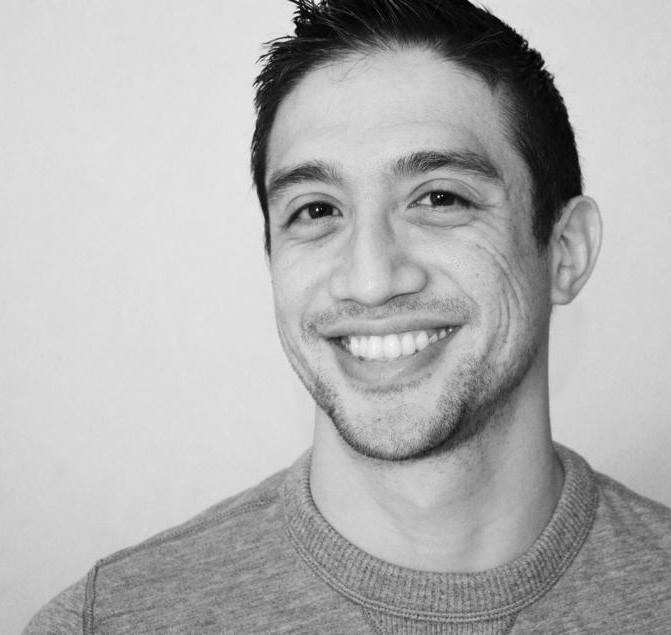
Colin Drysdale is the Chief Strategy Officer with Flynde, a global company providing translation solutions to businesses of all sizes.
Discover the best-in-class translation solutions for your business. Trusted & certified for all languages with locations in Singapore, Switzerland & the USA. Flynde takes human translation strategies and uses advanced technologies to deliver them to our customers across our three business lines: Flynde for startups, Flynde for small businesses, and Flynde for corporations.
For more information, contact us at hello@flynde.com