Language remains one of the most significant barriers to accessing information. For publishers operating in increasingly multicultural societies, the opportunity to reach wider audiences may not lie in producing more content but in rethinking how existing content is presented, adapted, and distributed across languages.
Switzerland and Singapore offer interesting examples of societies where multiple languages form an integral part of everyday life. But the opportunity extends much further. Here in the United States, for instance, the substantial Spanish-speaking population represents an important audience for publishers looking to expand beyond traditional English-language readership. Similar opportunities exist across Canada, Belgium, South Africa, and many other multilingual markets.
SPH Media's recent introduction of AI-powered multilingual editions in Singapore shows how technology can help publishers take the first steps toward this broader ambition. However, translating existing publications is only part of the equation. The bigger question is how to create multilingual publishing experiences that genuinely connect with different audiences.
Rethinking the way multilingual content is presented
One approach worth considering is integrating multiple languages within the same publication.
In Switzerland, where multilingual communication is an established part of the publishing landscape, this is already reflected in certain editorial formats. One example is Eyes Magazine, a Swiss publication that works with Flynde to develop English- and French-language content, including subsequent cross-localization.
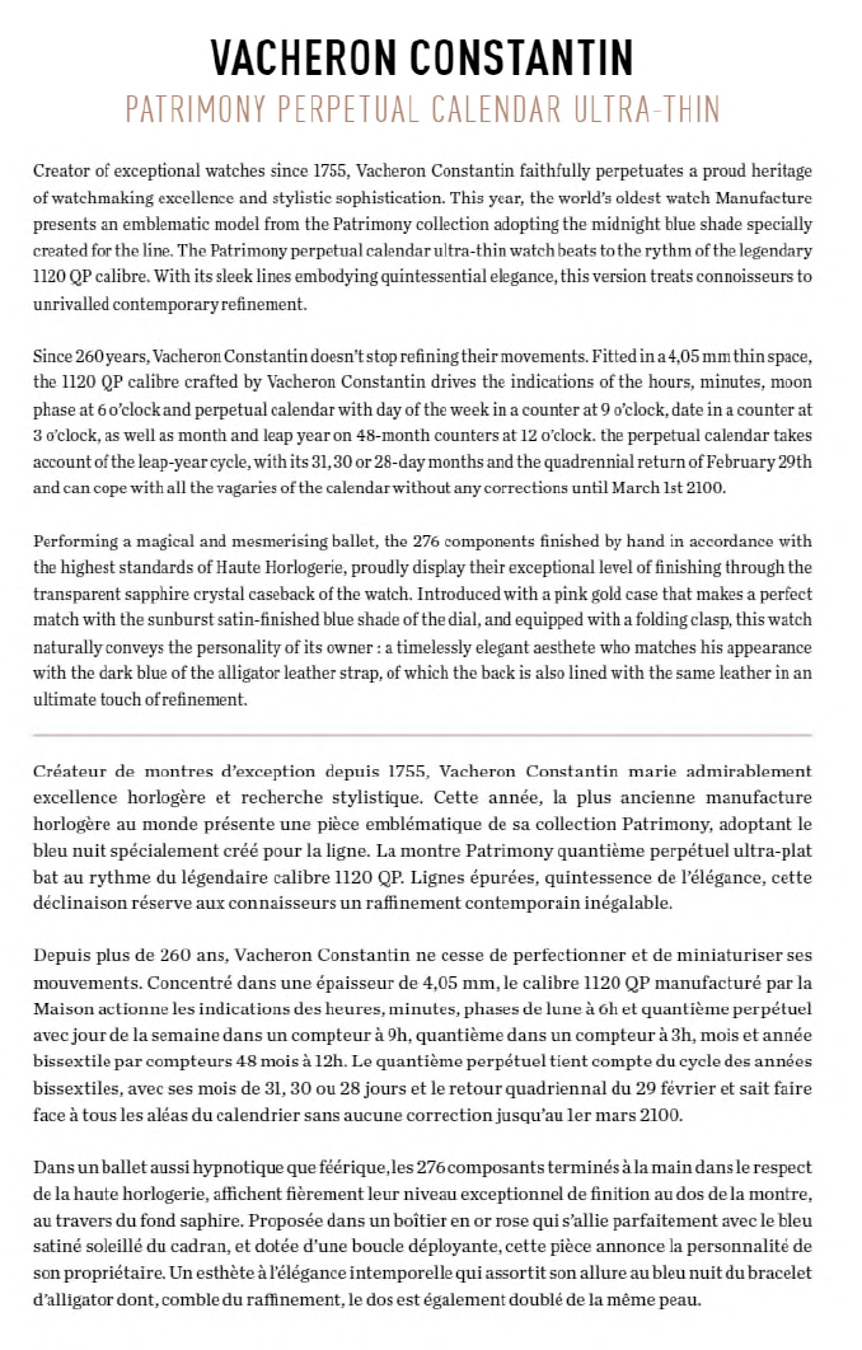
Example of an editorial layout showing different language versions in a consecutive section within the same publication
Its editorial layouts show how different language versions can appear side by side in parallel columns or as consecutive sections within the same publication. Rather than treating each language as a separate product, readers can access both versions within a shared editorial experience.
This approach has several advantages. Beyond just access to practical information, bilingual readers can move between languages, compare expressions, and become more familiar with alternative linguistic perspectives. Publishers can also maintain greater consistency between editions while making multilingual content more visible and accessible.
For digital publishers, the possibilities are even broader. Language-selection features, bilingual newsletters, multilingual social media content, subtitles, and audio editions can provide different entry points for audiences depending on their preferences and consumption habits.
A hybrid approach to multilingual publishing
Making this work requires more than simply running content through an AI translation model.
A coordinated workflow can combine AI-assisted translation with professional linguistic review, cultural adaptation, and cross-localization. Starting with an approved source text, teams can develop and review each language version against the same editorial reference. Subsequent changes can then be reflected consistently across editions.
This is particularly important for journalism, where terminology, quotations, figures, and contextual references must remain accurate regardless of the language in which a story is published.
There are also practical considerations. Parallel layouts may not suit every article or screen size, while some audiences will prefer dedicated language editions. The objective should therefore be flexibility rather than a universal publishing format.

From translating content to expanding readership
For publishers, multilingual publishing presents an opportunity to reach audiences who may otherwise remain outside their readership. Achieving this, however, requires more than making content available in additional languages. It calls for a considered approach to editorial consistency, cultural relevance, and how information is presented across platforms.
AI can help publishers scale this process, while professional linguistic oversight and coordinated editorial workflows help preserve the original content's accuracy and integrity.
Ultimately, the opportunity lies in making multilingual publishing a more effective way to connect with diverse audiences, rather than simply producing multiple versions of the same story.

About the Author
Nicholas Irving is the Director of Business Development (Americas) with Flynde, a global company providing translation solutions to businesses of all sizes.
Discover the best-in-class translation solutions for your business. Trusted & certified for all languages with locations in Singapore, Switzerland & the USA. Flynde takes human translation strategies and uses advanced technologies to deliver them to our customers across our three business lines: Flynde for startups, Flynde for small businesses, and Flynde for corporations.
For more information, contact us at hello@flynde.com