
In marketing, businesses often focus on what they can see and measure: social media performance, compelling content, attractive visuals, and polished translations. Yet one equally important dimension is often overlooked: product perception.
How customers perceive a product is not necessarily determined by how much a company has invested in developing it. It is shaped by the collective impression created by its design, presentation, positioning, and the brand associations that come with it. When these elements are misaligned, even a significant investment can produce a disappointing result.
Singapore Airlines unveiled its Business Class product today, offering an interesting case study.
For an airline that has spent decades cultivating an image of premium service, understated sophistication, and world-class hospitality, every design decision matters. Yet the new cabin design, with its prominent yellow accents and relatively muted color palette, raises questions about whether the aesthetic reinforces the premium positioning Singapore Airlines has worked so hard to establish.

Could this pass for the second generation of Scoot Biz seats?
The reaction from aviation enthusiasts has been telling, with many drawing comparisons to Scoot, Singapore Airlines' own low-cost carrier. Others have described the design as underwhelming and lacking the warmth and refinement traditionally associated with the airline.
This is perhaps a textbook example of a product that, while technically sophisticated, still fails to communicate the right message.
What makes this particularly interesting is that Singapore Airlines had previously explained that the COVID-19 pandemic provided an opportunity to take a step back, refine, and strengthen its product. After years of development, is this really the result?
In the premium airline market, passengers are buying more than a seat. They are buying experience, exclusivity, and a certain standard. As a Singapore Airlines PPS passenger, I would also question whether the new offering justifies paying a premium.
Consider Qatar Airways and its signature Qsuite product. With the recent reveal of version 2.0, the airline has established a distinct identity around privacy, personal space, and design. Singapore Airlines, meanwhile, appears to be playing catch-up, introducing features such as sliding doors, business-class pajamas, and reportedly caviar service, elements already offered by competitors.
Yet Singapore Airlines has never needed to compete solely on hardware. Its greatest differentiator has always been its service excellence, hospitality, and attention to detail. These qualities have built its reputation and earned customer loyalty. The question is whether its latest product reinforces that reputation or risks distracting from what has always made the airline special.
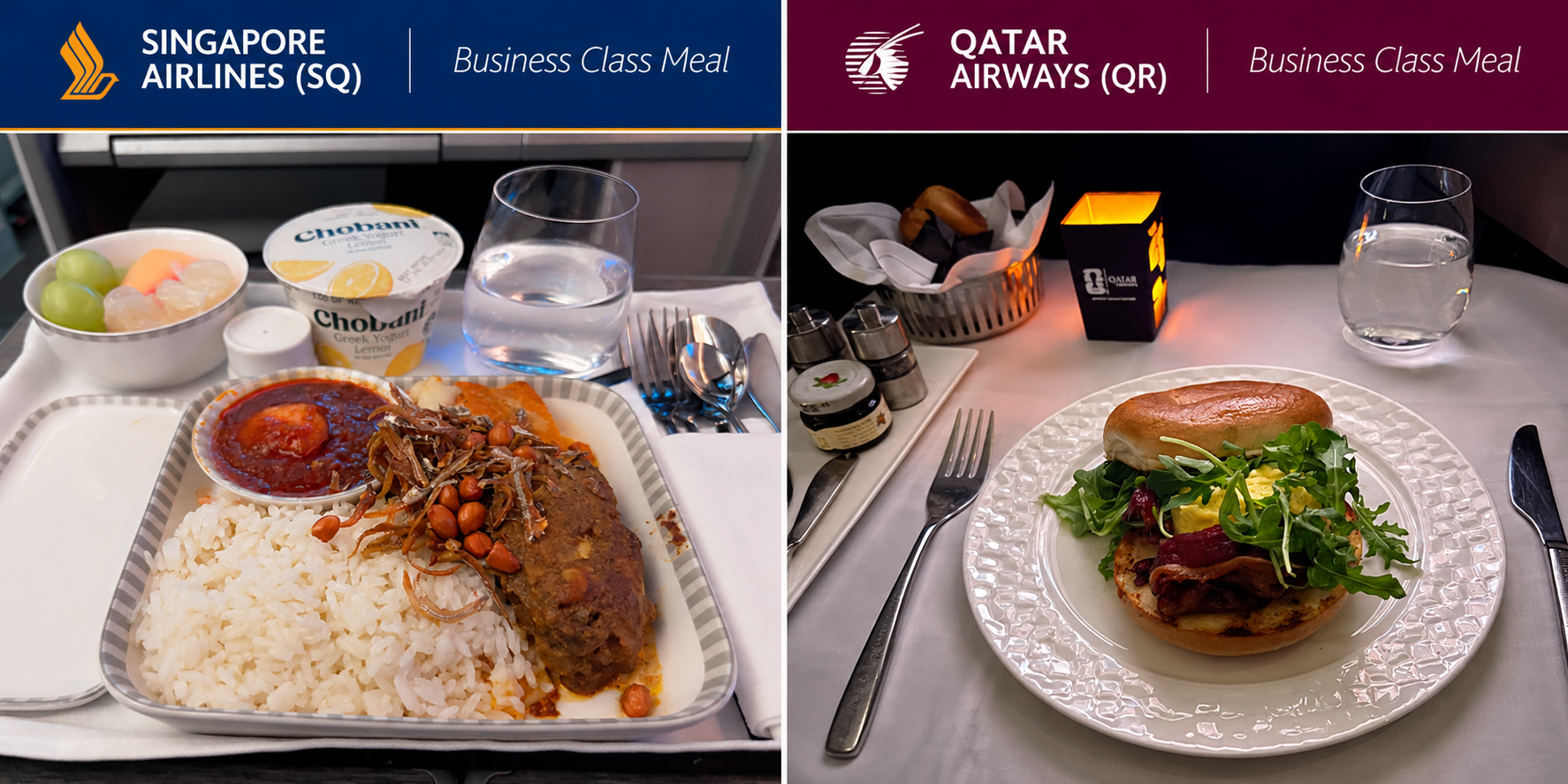
Comparing a business class meal service aboard both Singapore Airlines and Qatar Airways on recent trips.
The lesson extends well beyond aviation. Investing in better photography, professionally translated websites, polished campaigns, or sophisticated product features does not automatically strengthen a brand. These elements must work together within a coherent strategy, informed by customer expectations, meaningful research, and an understanding of the competitive landscape.
Ultimately, successful marketing is about aligning what a business promises with what customers perceive. Every color, image, word, and design choice contributes to that perception. Because in the end, marketing isn't just about what you put in front of your customers but what they take away from it.

Gerald Lee is the Chief Marketing Officer with Flynde, a global company providing translation solutions to businesses of all sizes.
Discover the best-in-class translation solutions for your business. Trusted & certified for all languages with locations in Singapore, Switzerland & the USA. Flynde takes human translation strategies and uses advanced technologies to deliver them to our customers across our three business lines: Flynde for startups, Flynde for small businesses, and Flynde for corporations.
For more information, contact us at hello@flynde.com