2026 Megatrends: The Consumer Behaviours and Workplace Shifts That Will Redefine Daily Life
Last week, Pantone announced Cloud Dancer as the colour of 2026. A shade of white that signifies an increasing need for healing and inner peace. That’s such a change from the more vibrant and exciting hues of last year. Aptly, this Cloud Dancer is a good herald of next year's most influential trends emerging from micro-level shifts in how people eat, work, search, and manage their health. These changes are grounded in a universal tension: consumers are becoming more economically cautious while simultaneously demanding personalization, efficiency, and visible ethical integrity.
What we will get is a landscape in which indulgence becomes functional, artificial intelligence becomes a teammate, and the workplace becomes a battleground for flexibility. Below are the four megatrends that leaders, brands, and institutions cannot afford to ignore.
When wellness meets enjoyment
The pursuit of longevity is no longer at odds with the desire for pleasure. In 2026, consumers are choosing products that deliver both indulgence and biological benefits, and they expect brands to prove their ethical alignment in the process.
The next wave of consumer-packed goods growth won’t come from the products themselves, but from the experiences wrapped around them. With 73% of consumers saying experience is a top factor in what they buy, the brands winning in 2026 will be the ones that make everyday choices feel effortless, personal, and emotionally meaningful. What ties these wins together is simple: consumers don’t just buy a product. They buy what it means to them.
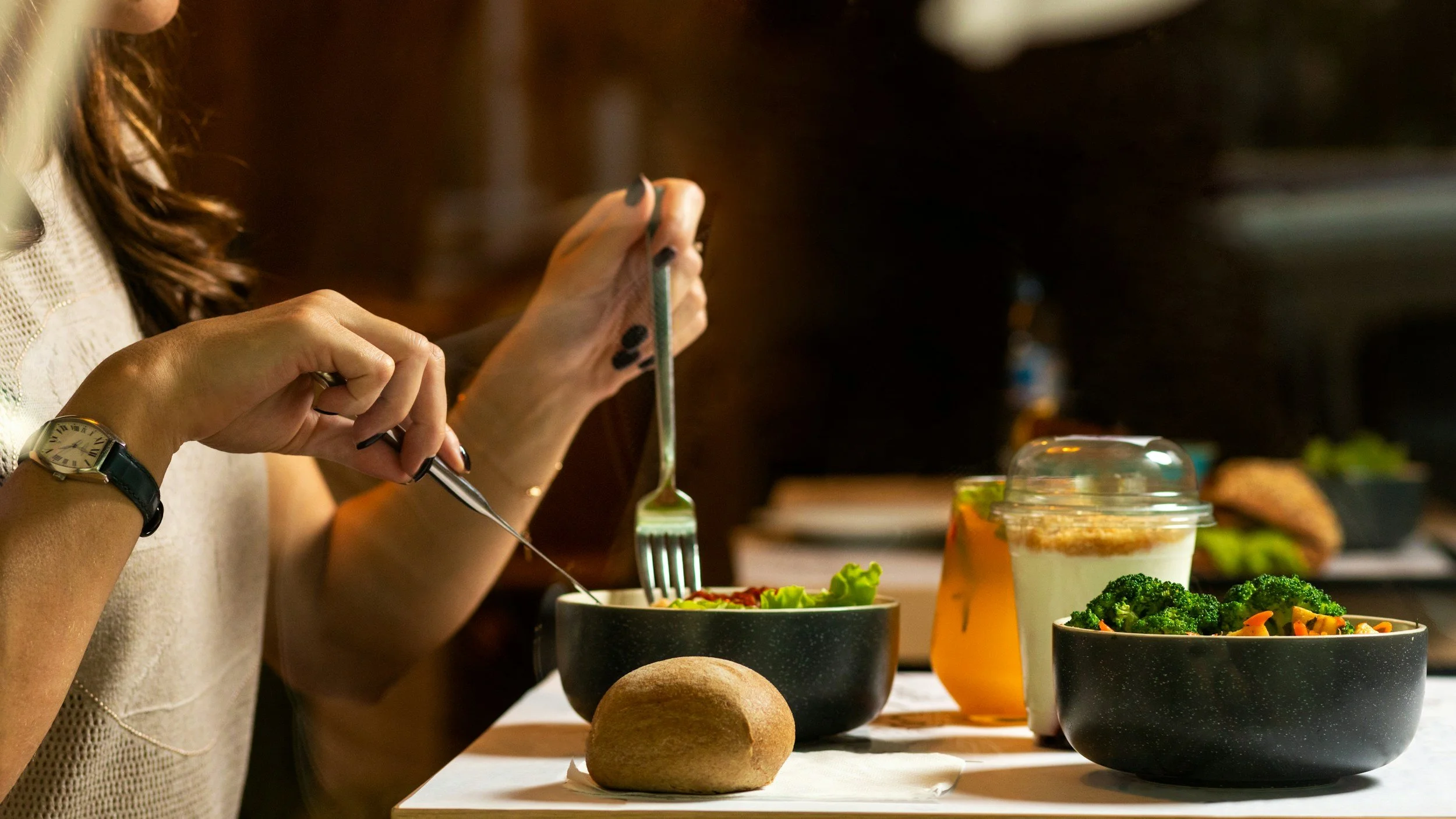
In 2026, consumers are choosing products that deliver both indulgence and biological benefits.
What’s more, consumers are no longer satisfied with broad corporate sustainability statements. Their expectation is a visible, provable environmental impact. For brands, this means sustainability storytelling must be backed by real investments such as cleaner materials, transparent reporting, and traceable supply chains. Greenwashing is not just outdated; it has become commercially dangerous.
Besides, well-being has evolved from a category into a lifestyle scaffold. Fashion brands in particular are now building “third spaces” that blend retail, wellness, mindfulness, and sometimes fitness. So next time you step into a fashion gazette, maybe what you would love to pay for is not only the dresses or the suits, but the joys and vibes.
The era of “hybrid creep”
Although remote-capable jobs remain hybrid (52%) or fully remote (26%), 2026 is set to be the year when organizational patience runs out. Leadership’s push to return to the office will collide directly with employee expectations. Companies requiring full five-day office attendance are projected to jump to 30% by 2026. This shift represents not only a cultural reversal but also a significant loss in non-monetary benefits for employees.
On top of that, workers know exactly what flexibility is worth. Sixty-six per cent of professionals say they would only return to a five-day office schedule in exchange for higher pay. Flexibility has moved from “perk” to “compensation category.”

Organizations must shift from mandate-based management to well-being-driven performance systems.
Leadership often defends RTO policies by citing productivity. Yet the reality is not quite that: 76% of employees report that workplace stress harms their productivity. This means that forcing workers back into high-stress environments may undermine the very output companies hope to improve.
In short, organizations must shift from mandate-based management to well-being-driven performance systems. Benefits use, mental health access, and psychological safety will become the true differentiators of productivity.
AI becomes the personalized digital teammate
It would be funny to say that AI is operating behind the scenes (it’s weird, though, to realize this was true just two years ago). In 2026, AI becomes agentic, meaning it can take action, anticipate needs, and manage aspects of users’ daily health and digital routines.
Specifically, mainstream adoption of personalized AI health coaching agents will accelerate. These systems, embedded in everyday apps and wearables, will track biometrics, recommend diets, adjust exercise plans, and remind users to take their medications. They will feel less like tools and more like personal health teammates.

In healthcare, human judgment will remain central, but AI becomes the always-on, cross-referencing ally.
With 71% of U.S. hospitals already using predictive AI in their Electronic Health Records systems, the infrastructure is ready for AI to move from advisory to action-oriented roles. Expect AI agents to become integral Clinical Decision Support layers, covering data filtering, proposing treatment pathways, and supporting clinicians in real time. Human judgment will remain central, but AI becomes the always-on, cross-referencing ally.
The digital interface gets rewritten
How people search, authenticate themselves, and interact with digital ecosystems is shifting fundamentally. Daily use of AI in search will be three times that of standalone AI tools. Instead of sifting through pages of links, users will rely on conversational AI interfaces that summarize, contextualize, and refine information instantly. The search engine becomes a search companion.
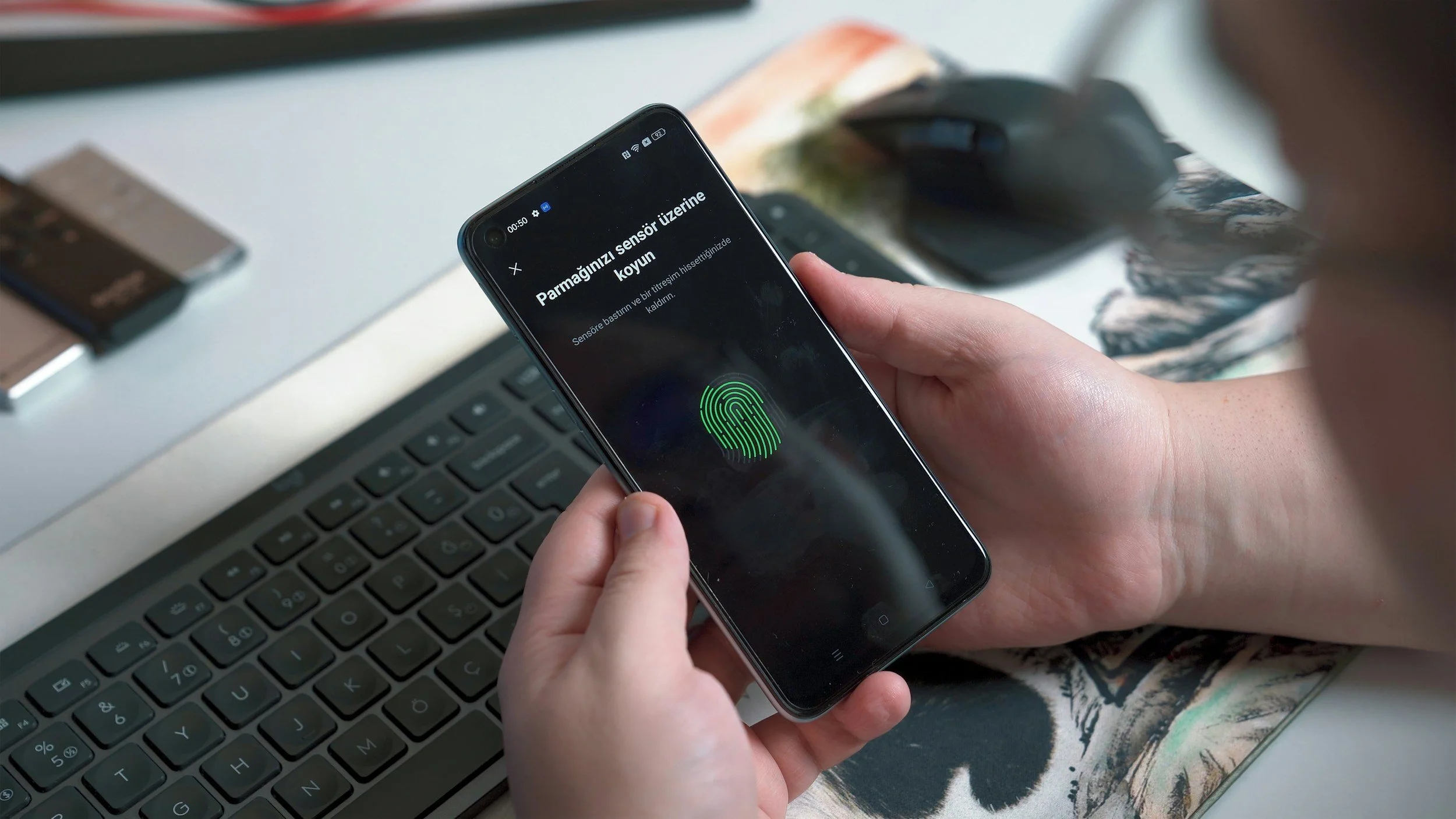
All of your essential cards may be kept in one single app.
Additionally, Digital ID wallets are emerging as a cornerstone of digital infrastructure. Once verified, a user’s identity can be reused seamlessly across services, from onboarding to authentication, reducing friction, boosting privacy, and dramatically shrinking corporate data liability. Instead of giant databases of personal data, companies will rely on decentralized, minimization-aligned identity frameworks. That sounds complicated, but the application is surprisingly convenient and easy. In fact, I (Albert) can easily unlock my phone and show my driving license if I am pulled over by the traffic police on the street (touchwood).
Yes, it’s a year for “cloud dancers”
The megatrends of 2026 converge on a single theme: consumers want smarter, simpler, more value-aligned lives. They want indulgence that supports health, workplaces that respect well-being, AI that removes friction, and digital systems that feel intuitive rather than cumbersome. It’s truly a year for those who actively seek new chances without losing the fun and joy of their lives.
For leaders and brands, the winners of 2026 will be those who understand this shift not as a technological revolution but as a human one.

About the Author
Bert Nguyen is a Copywriter with Flynde, a global company specializing in translation solutions for businesses of all sizes.
Discover the best-in-class translation solutions for your business. Trusted & certified for all languages with locations in Australia, Singapore, Switzerland & the USA. Flynde takes human translation strategies and uses advanced technologies to deliver them to our customers across our three business lines: Flynde for startups, Flynde for small businesses, and Flynde for corporations.
For more information, contact us at hello@flynde.com