Finding Blue Oceans in an AI-Redrawn World
“In red oceans, companies fight for market share. In blue oceans, they create new demand.”
That idea from Blue Ocean Strategy has stayed with me since I first read it. As we delve into 2026, the Blue Ocean concept feels more relevant than ever. The competitive waters many organizations have operated in for decades are turning redder by the day. Yet paradoxically, the rapid advance of AI is opening entirely new blue oceans for those willing to rethink structure, skills, and scale.
Companies like Amazon, Microsoft, and TikTok are laying off workers, framing the layoffs as cost-cutting or efficiency efforts. But the deeper story is structural. AI is no longer just a productivity tool; it is redrawing how work is organized. Tasks once distributed across regional hubs, including customer support, reporting, coordination, and junior analysis, can now be handled by automated agents that plan, execute, and self-correct. The rationale for large, layered teams spread across time zones is weakening.

This is where new blue oceans emerge.
As large companies flatten and recentralize, they face a less-discussed risk: the loss of continuity. Knowledge walks out the door, workflows break, and institutional memory thins. But large companies can avoid such situations by partnering with smaller, specialized firms to help ensure continuity plans remain intact amid employee turnover and uncertainty. For instance, firms like Flynde can step in as stabilizers to ensure branding, localization, and the consumer experience are not interrupted, while organizations sort themselves out. In an AI-driven world, small companies become shock absorbers for big ones: agile, accountable, and close enough to operations to keep the wheels turning while the core restructures.
AI, in other words, is not just automating work; it is reshaping who does what, and with whom. The new sandbox rewards focus over scale, outcomes over headcount, and partnerships over permanent sprawl. For small and medium enterprises (SMEs), this is a blue-ocean moment to serve as extensions of large companies.
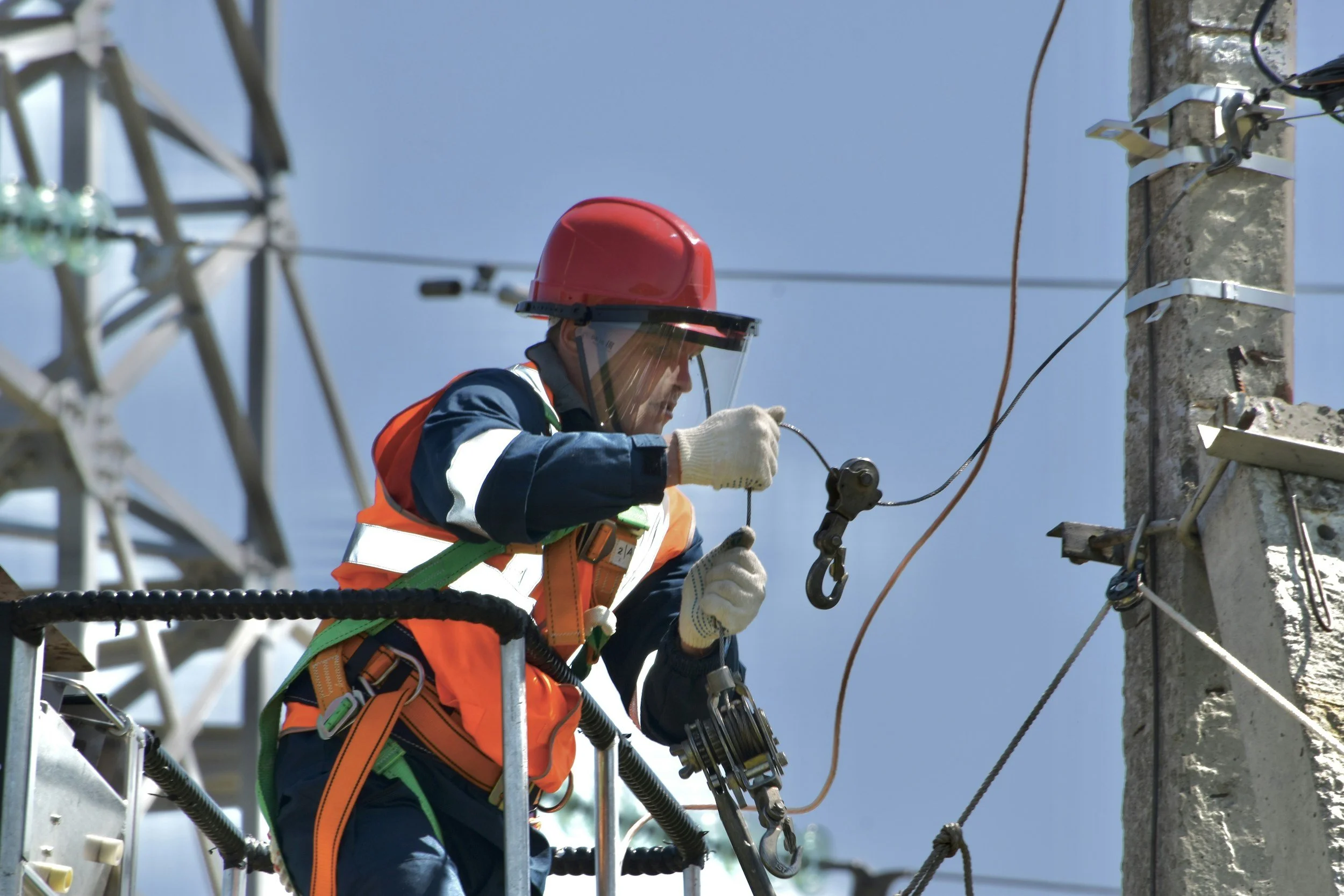
At the same time, society and the workforce are adapting in ways that challenge old assumptions. While white-collar entry roles are increasingly exposed to automation, demand for skilled blue-collar and technical trades is rising sharply. Focus is turning toward electricians, plumbers, lift technicians, and data center specialists, who are becoming indispensable to the AI economy itself. Until robotics makes a similar quantum leap, human labor will still be required to wire data centers, maintain advanced manufacturing plants, and keep physical infrastructure running.
The younger generation is also noticing. How is the traditional university pathway evolving to prepare graduates in a world with shrinking entry-level positions? Focus is shifting toward vocational and apprenticeship programs. In Swiss education, skills development drives its Dual Vocational Education and Training (VET) system, where students blend practical, paid apprenticeships with theoretical learning at vocational schools, producing a highly skilled workforce with in-demand industry competencies. Such pathways offer tangible skills development, clear progression, and resilience against automation. While AI may write the code, someone still must connect the power.
Looking ahead to 2026 and beyond, the opportunity is not to fight harder in crowded red oceans, but to step into new blue ones. For businesses, that means rethinking scale, partnering smarter, and valuing continuity as much as efficiency. For individuals, we should broaden our definition of “good careers” to include skilled trades and hands-on work that align with our personal causes and interests.
The waters are changing. Those who learn to navigate differently will find there is still plenty of open sea.

About the Author
Colin Drysdale is the Chief Strategy Officer with Flynde, a global company providing translation solutions to businesses of all sizes.
Discover the best-in-class translation solutions for your business. Trusted & certified for all languages with locations in Singapore, Switzerland & the USA. Flynde takes human translation strategies and uses advanced technologies to deliver them to our customers across our three business lines: Flynde for startups, Flynde for small businesses, and Flynde for corporations.