
The Retail Metamorphosis: Navigating the Phygital, Social, and Experiential Future of 2026
The long-standing debate of "Online vs. Offline" officially settled in 2026, and the winner is neither. Instead, we have entered a new era in which digital and physical channels no longer compete but operate as a single, living ecosystem.
If you feel like the retail landscape is shifting beneath your feet, you’re right. We have moved past simple omnichannel strategies into the age of Agentic Commerce, where AI doesn't just suggest products; it often executes the entire journey for us. With the digital economy in Southeast Asia surpassing a $305 billion gross merchandise value (GMV) and global social commerce nearing the $1 trillion mark, we are witnessing a fundamental reconfiguration of how value is created.
Agentic commerce: From search to discovery
In 2026, the traditional multi-step shopping journey, from browsing, comparing, to checking out, is collapsing into a single AI-driven interaction.
The Shift to AI Agents Agentic AI is rapidly taking over the "how" of shopping: searching, filtering, and even executing transactions. For many retailers, 15–20% of total referral traffic now comes directly from AI chat platforms. By 2030, analysts estimate AI agents could handle as much as 25% of global e-commerce sales. For brands, the mission has shifted: if an AI agent cannot "understand" your product data, you simply won't enter the consideration set.

By 2026, the conventional multi-step shopping process—browsing, comparing, and checking out—is converging into one AI-powered interaction.
Virtual Try-On (VTO) and AR Augmented Reality have graduated from a novelty to a core requirement. The global AR in retail market is projected to reach $105.87 billion by 2033 as retailers work to solve the $550 billion annual problem of product returns. When customers use AR-powered body-scanning to see exactly how a garment fits, return rates drop by an average of 17%.
Social commerce: The "short drama" and shoppertainment boom
Discovery is no longer driven by the search bar; it's driven by the scroll. In 2026, 1 in 2 social media shoppers in the U.S. now make purchases on TikTok.
The Power of the Feed TikTok Shop has become a commercial juggernaut, with U.S. sales projected to surpass $20 billion in 2026. But the format is evolving. We are seeing the rise of "Short Drama" commerce - narrative-driven mini-series with integrated shopping features that turn high-production entertainment into instant revenue. This "shoppertainment" model, pioneered in Asia, is now the global standard for capturing the attention of Gen Z and Gen Alpha.
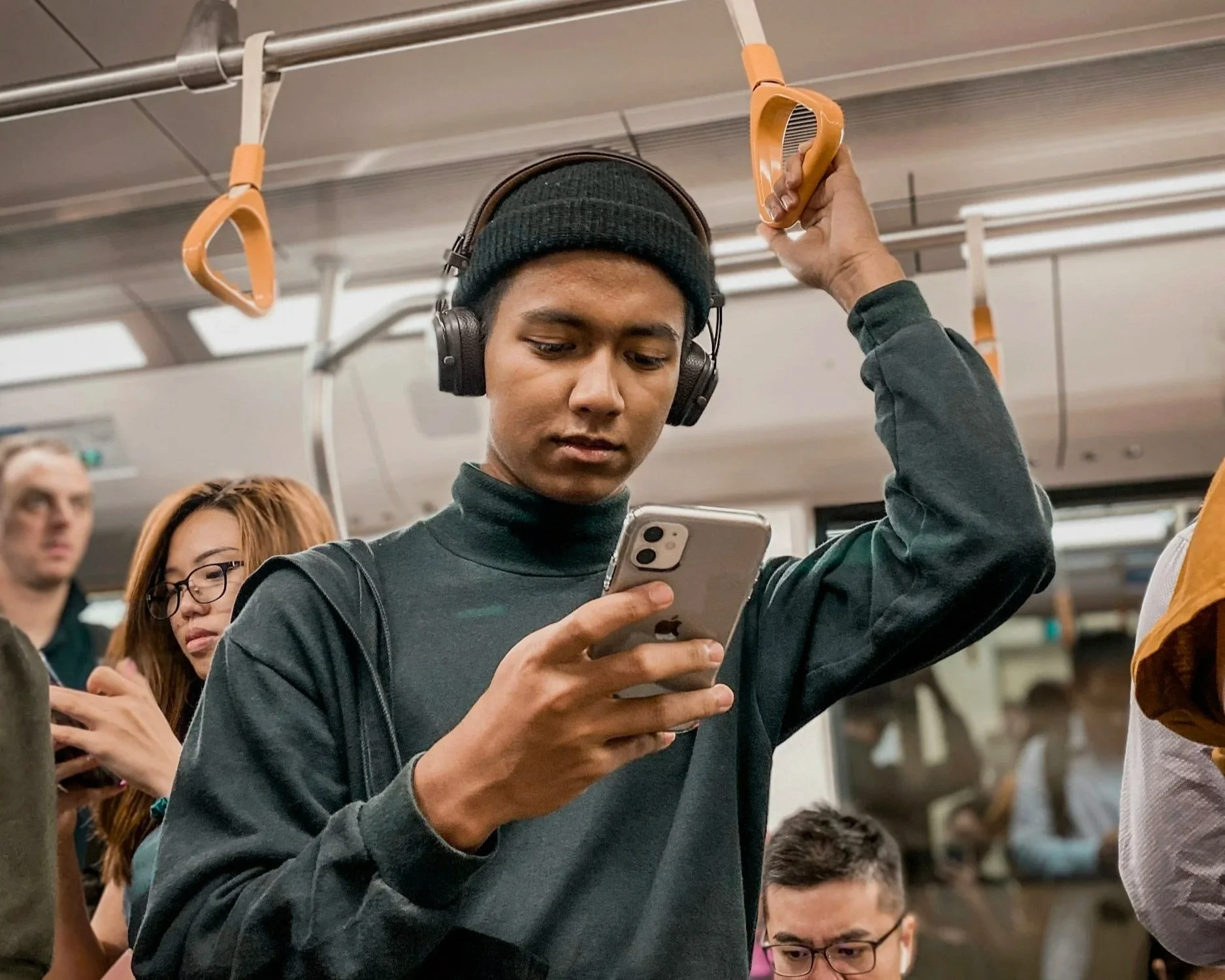
The "shoppertainment" model, characterised by short, vertically formatted dramas on mobile devices, has become the worldwide benchmark for engaging Gen Z and Gen Alpha.
Albert (it’s me writing) has been spending hours on Facebook watching a drama series, which comprises 20-ish 3-minute episodes, about an old woman being insulted by a faux-sophisticated hotelier for stepping into the elegant building with an ordinary look, only to reveal later that she was actually the owner of that hotel (what?). What’s more surprising? It was actually promoting some traditional medicine.
Physical stores as "sensory proof engines”
As transactional buying moves to AI agents, physical stores are being reborn as immersive brand hubs. Their primary role in 2026 is reducing uncertainty. As the title suggests, these spaces work like “sensory proof engines". They are where customers come to touch materials, smell products, and engage in the human interactions that AI cannot simulate. If a store doesn't increase customer confidence, it's no longer a strategic asset; it’s just an expensive warehouse with music. These stores can range from new phone and laptop experiences to perfume and coffee tastings, providing that you convince customers of the sensory experience they don’t yet know they will ever need.
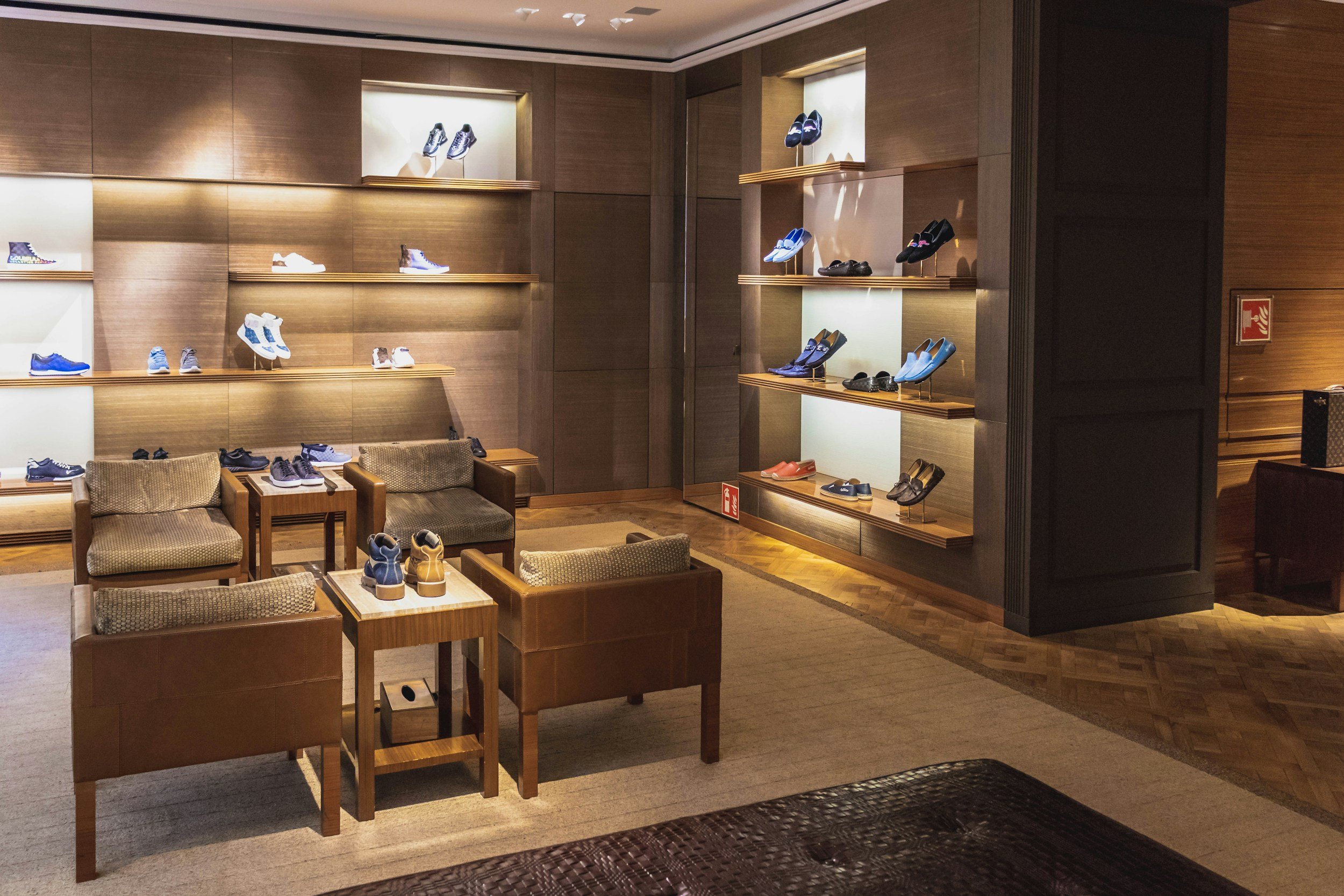
Physical stores are being reborn as immersive, experiential spaces that serve as brand hubs.
Interestingly, the interdependency of channels is proven by the halo effect. Research confirms that opening a single physical store in a market drives an average 37% increase in overall web traffic for that brand in the local area. Conversely, store closures can lead to an 11.5% drop in local online sales, with fashion categories seeing declines of up to 22%.
Sustainability and the resale revolution
The 2026 consumer is increasingly value-conscious and eco-minded. Resale is no longer a fringe experiment, but a strategic growth engine.
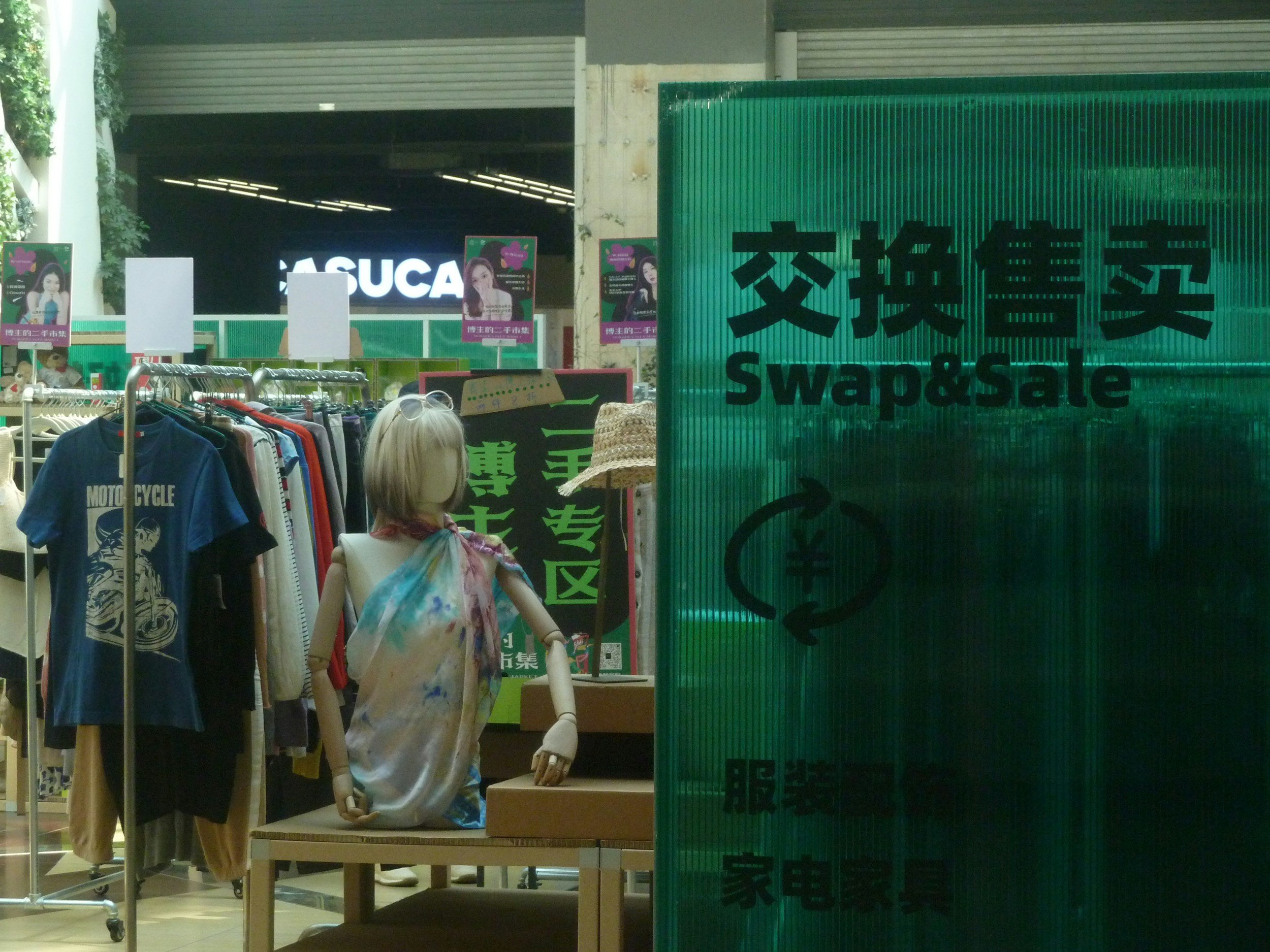
Consumers are increasingly conscious of value and the environment, prompting resale to become a strategic growth engine.
Mainstream circularity secondary fashion markets are growing 2 to 3 times faster than traditional retail. According to Vestiaire Collective, the resale market is currently valued at around $210–220 billion and is projected to reach up to $360 billion by 2030. What’s striking is that it’s expanding three times faster than primary fashion, driven largely by high-value categories such as bags and jewellery. Successful brands likeare launching in-house resale channels, turning "pre-loved" items into a loyalty loop that is projected to help the rental and second-hand market reach a valuation of over $25 billion.
Retail strategies for 2026: Key takeaways
To thrive in this metamorphosis, leaders should focus on:
Unified data architecture: You cannot serve an AI agent or a "phygital" customer if your inventory is siloed. A single integrated platform is essential.
Invest in "Emotional Return-on-Investment": Consumers now expect a return on the time they invest in your content. Make your social presence interactive and curiosity-driven.
Optimize for AI Discovery: Ensure your product and pricing data is clean and "AI-readable" so your brand remains discoverable within the agentic ecosystem.
Embrace Circular Models: Integrate resale and repair into your core business to capture the growing demand for sustainable value.
The retail "apocalypse" was a myth. What we are seeing is a “metamorphosis”. The brands that will lead in 2026 and beyond are those that realize their brand is no longer a destination. In fact, it's a consistent, helpful, and entertaining experience that follows the consumer wherever they go.

About the Author
Bert Nguyen is a Copywriter with Flynde, a global company specializing in translation solutions for businesses of all sizes.
Discover the best-in-class translation solutions for your business. Trusted & certified for all languages with locations in Australia, Singapore, Switzerland & the USA. Flynde takes human translation strategies and uses advanced technologies to deliver them to our customers across our three business lines: Flynde for startups, Flynde for small businesses, and Flynde for corporations.
For more information, contact us at hello@flynde.com