
Lights, Camera, Add to Cart: How Livestreaming is Rewriting Vietnam’s Retail Playbook
Vietnam’s retail landscape is no longer just shifting; it is being completely reimagined. We are witnessing a "leapfrog" moment where the country is bypassing traditional retail evolution to move directly into a high-octane, mobile-first era of Shoppertainment. By the end of 2025, Vietnam’s e-commerce market is projected to reach a staggering $28 billion, driven by a 25.5% growth rate that shows no signs of slowing.
If you’re a brand, an entrepreneur, or a traditional retailer, the question is no longer if you should livestream, but how fast you can hit the "Go Live" button.
The platform power shift
For years, the market was a multi-player race. Today, it has consolidated into a formidable duopoly between Shopee and TikTok Shop. Together, these platforms now command 97% of the market share among top players.
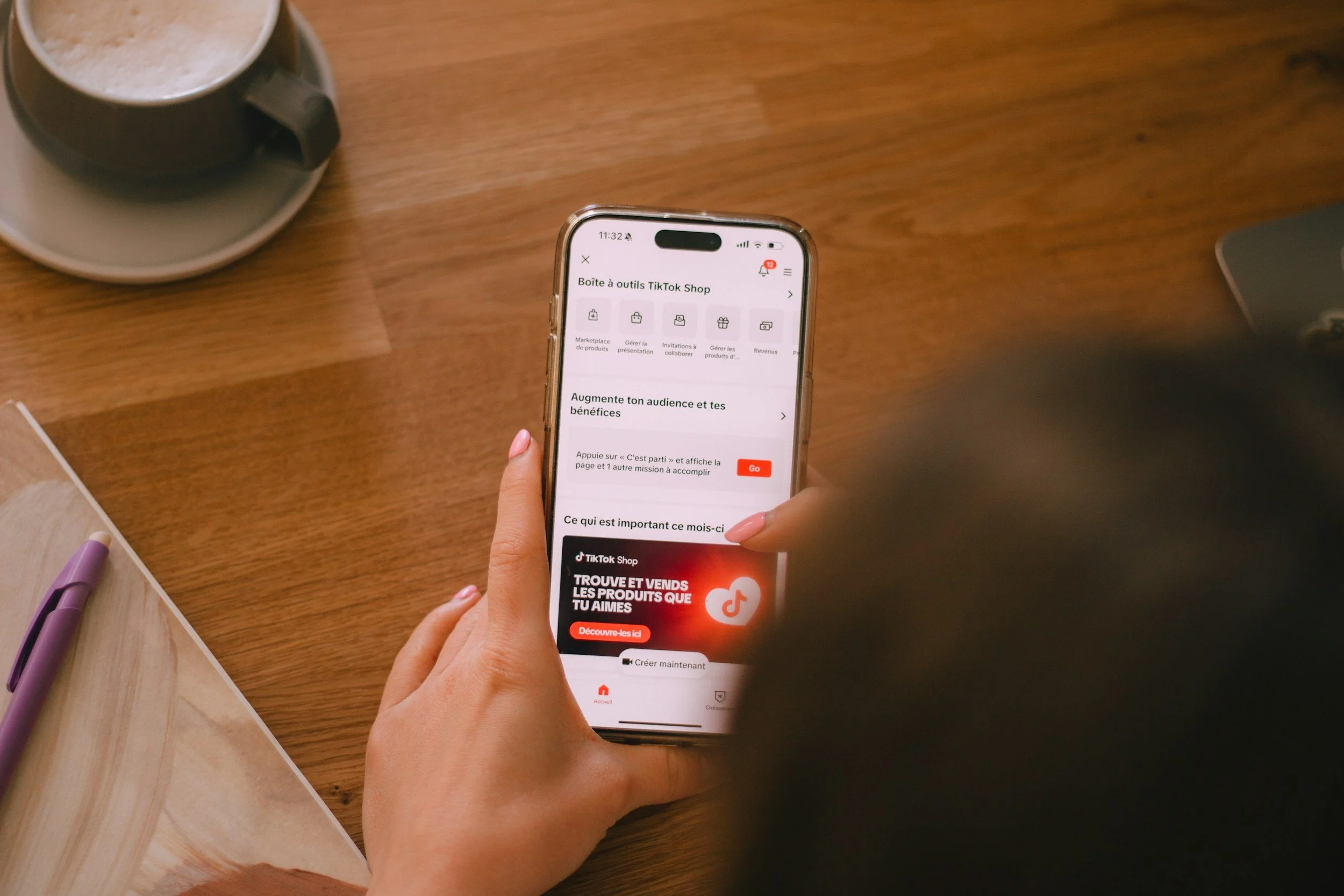
TikTok Shop has won remarkable revenue in 2025 for integrating shopping directly into the entertainment feed.
While Shopee remains the leader with a 56% share, the real story is TikTok Shop's meteoric rise. By integrating shopping directly into the entertainment feed, TikTok Shop surged to a 41% market share in 2025, growing its gross merchandise value by a massive 148% year-on-year in the first half of the year. This model has shortened the customer journey: you see it, you like it, and within three clicks, it’s at your door.
From brick-and-mortar to "stream-and-sell"
One of the most exciting trends is the migration of traditional retail giants into the digital stream. Mobile World (MWG, known in Vietnam as Thế giới Di động), Vietnam’s largest retailer, has pivoted from opening new stores to "in-house professionalization". They aren't just hiring influencers; they are training their own store staff to become professional hosts. For example, Lazada operates LazLive, its in-app livestream shopping feature that enables sellers and creators to showcase products, interact with viewers, and drive real-time purchases. Beyond basic selling, LazLive also integrates shoppertainment elements such as interactive features, vouchers, and seamless checkout, and is widely used during major campaigns like 11.11 and 6.6 to drive engagement and GMV.
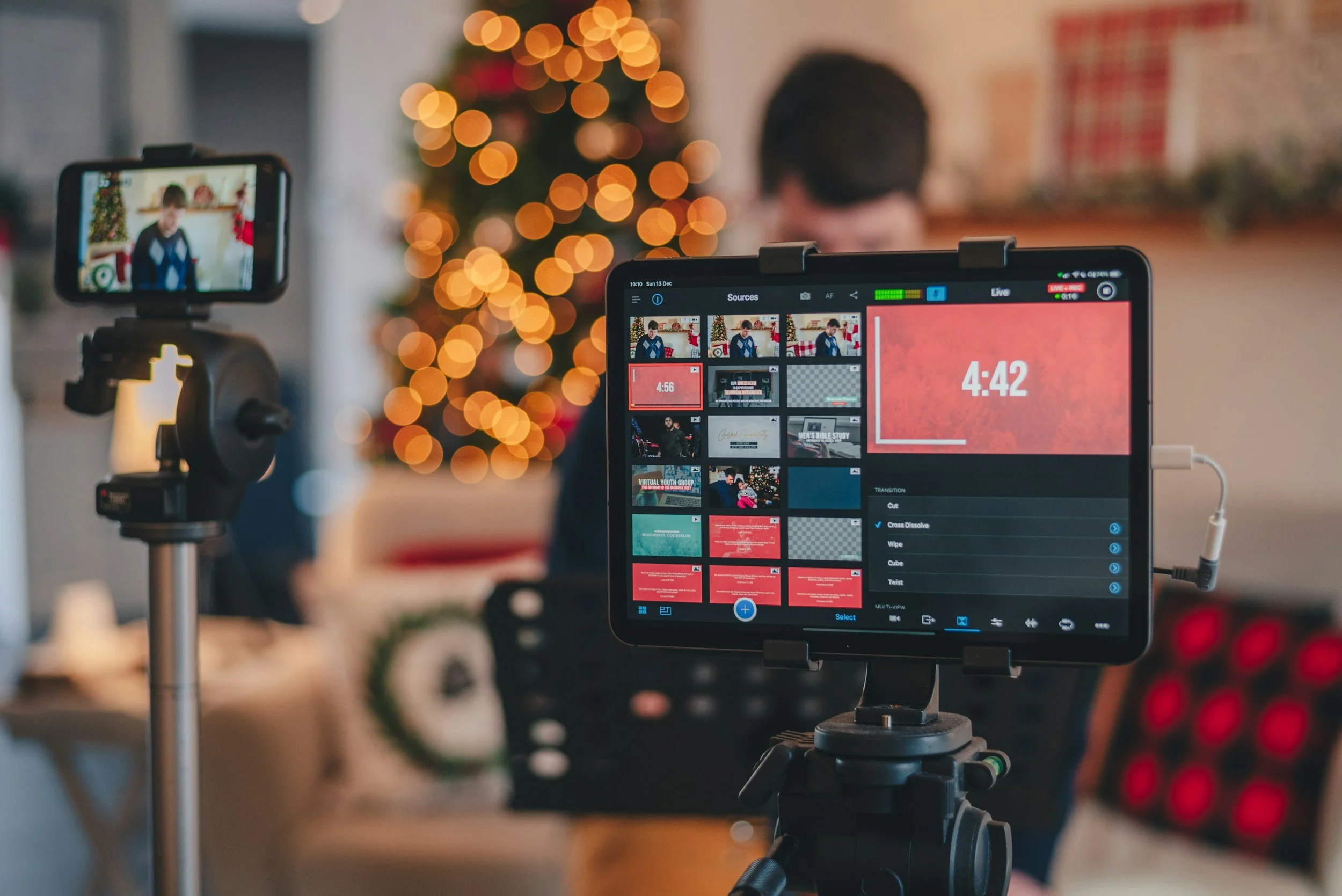
Many big corps in Vietnam has invested significantly in building their own livestreaming team.
Similarly, FPT Retail has leveraged livestreams to diversify beyond electronics. By promoting everything from smart wearables to home appliances via live video, they’ve seen average monthly revenue per shop rise by 17%. Even "traditional" sectors are joining in. Duy Tan Plastics achieved a 300% increase in e-commerce sales by running two livestream sessions daily. While83% of this revenue remains concentrated in Hanoi and HCMC, the reach is expanding rapidly to industrial provinces.
The psychology of the "mega live"
Why does it work? It’s a mix of FOMO (Fear of Missing Out) and community trust. A single "Mega Live" session in Vietnam has been known to sell over $3 million worth of goods in just 13 hours. Consumers are drawn by the "artistry" of the stream - rapid-fire voucher drops and real-time demonstrations. For the over 70% of Vietnamese internet users who have watched a livestream, the experience is as much about entertainment as it is about buying.
Gen Z (35% of the market): They are driven by "hedonic motivation" or the joy of the experience. 51% are influenced by viral social media trends when choosing new products, and 55% consult micro-influencer reviews before purchasing.
Millennials: They shop even more frequently and spend more, with an average order value of $125. However, they are more demanding, prioritizing clear return policies and flexible delivery.
The new rulebook
As the "Wild West" of social selling comes to an end, the Vietnamese government is stepping in to ensure sustainability. The landmark Decree 117/2025/ND-CP has formalized the sector.
The Vietnamese government is making efforts to put livestreaming under control.
Starting July 1, 2025, the rules of the game have changed:
Seller Identification: All sellers must be identified via the national system (VNeID) to curb counterfeit goods.
Tax Transparency: Platforms are now required to withhold tax at the source (1% for goods, 5% for services) for any seller earning over VND 100 million annually.
Content Accountability: For the first time, livestream hosts are legally responsible for the accuracy of their advertising claims.
The technical bedrock
To support this billion-dollar habit, Vietnam’s tech stack is evolving. We’re seeing a shift toward Low Latency Streaming (targeting sub-1-second delays) to ensure the "real-time" interaction remains seamless. AI is also entering the chat, with companies like NKKTech and Zalo AI developing virtual hosts and localized chatbots that can handle thousands of inquiries 24/7.
Livestreaming in Vietnam is no longer a "nice-to-have" marketing experiment; it is the core of modern digital commerce. It has democratized sales for individual entrepreneurs and given a second wind to large offline retailers.
As the market matures with clearer regulations and better technology, the brands that win will be those that can blend authenticity with efficiency. Are you ready to go live?

About the Author
Bert Nguyen is a Copywriter with Flynde, a global company specializing in translation solutions for businesses of all sizes.
Discover the best-in-class translation solutions for your business. Trusted & certified for all languages with locations in Australia, Singapore, Switzerland & the USA. Flynde takes human translation strategies and uses advanced technologies to deliver them to our customers across our three business lines: Flynde for startups, Flynde for small businesses, and Flynde for corporations.
For more information, contact us at hello@flynde.com