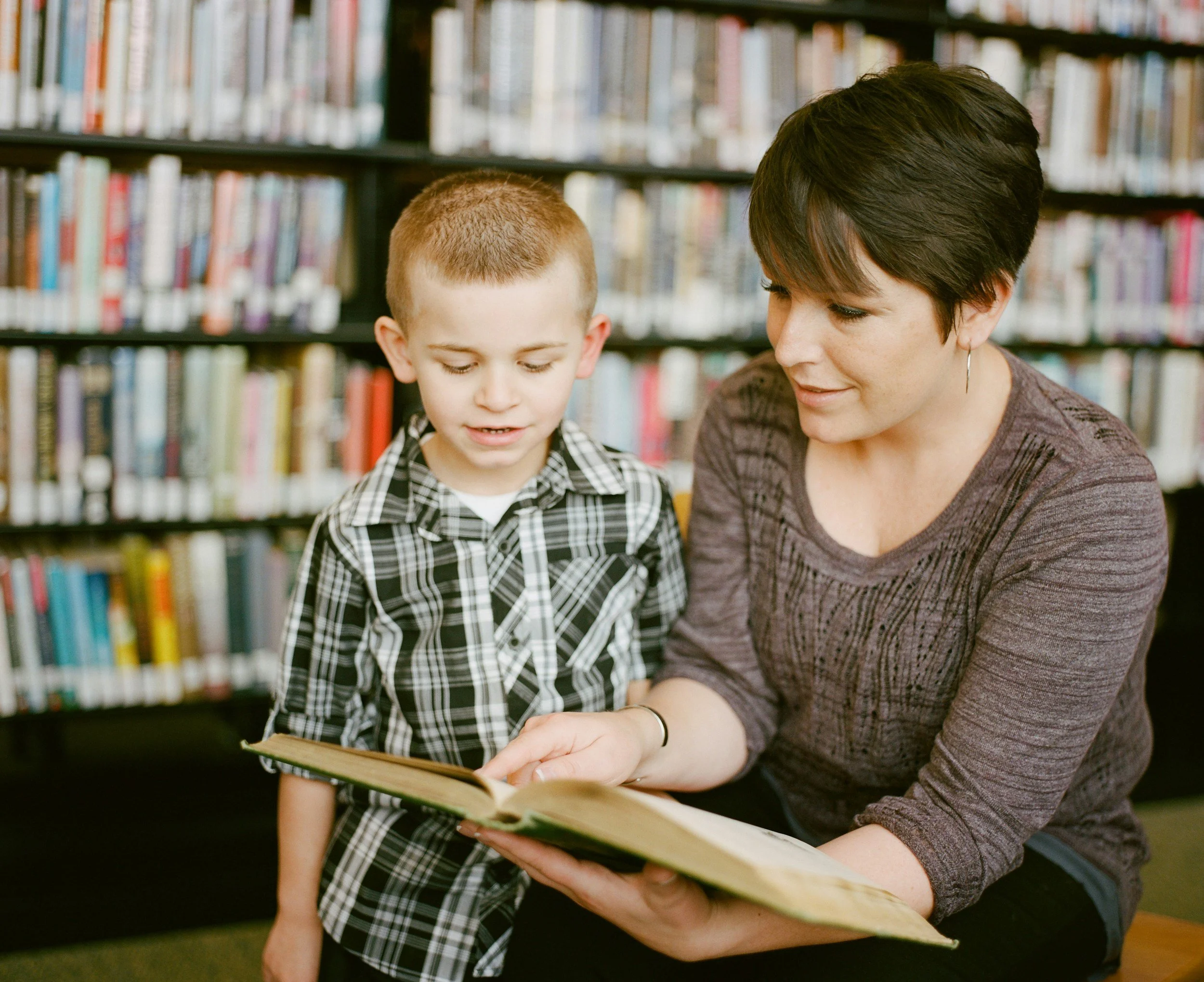
Today is International Literacy Day, an opportune time to reflect on the value of uniquely human thinking that comes with learning how to read and write.
I still relish the memory of sitting in the quiet rows of a library, completely absorbed in a Nancy Drew mystery. I would follow Nancy from clue to clue, fascinated by her quick thinking, stealth, and knack for uncovering what everyone else had missed. I still remember the feel of those pages between my fingers and the crisp sound they made as I turned them, always reluctantly, when the recess bell rang. I would dog-ear the page or hurriedly slip in a bookmark, desperate to return to the story exactly where I had left off.
Perhaps that is why the thought of what is happening to some books in the age of AI makes me shudder.
The ultimate irony of our digital age is that books created to preserve human knowledge are now, in some cases, being destroyed to teach machines how to reproduce it. A recent Straits Times article highlighted how books are being used to train AI models, with machines absorbing vast amounts of human writing. At the same time, AI is becoming increasingly capable of producing its own essays, stories, reports, and even books in seconds.
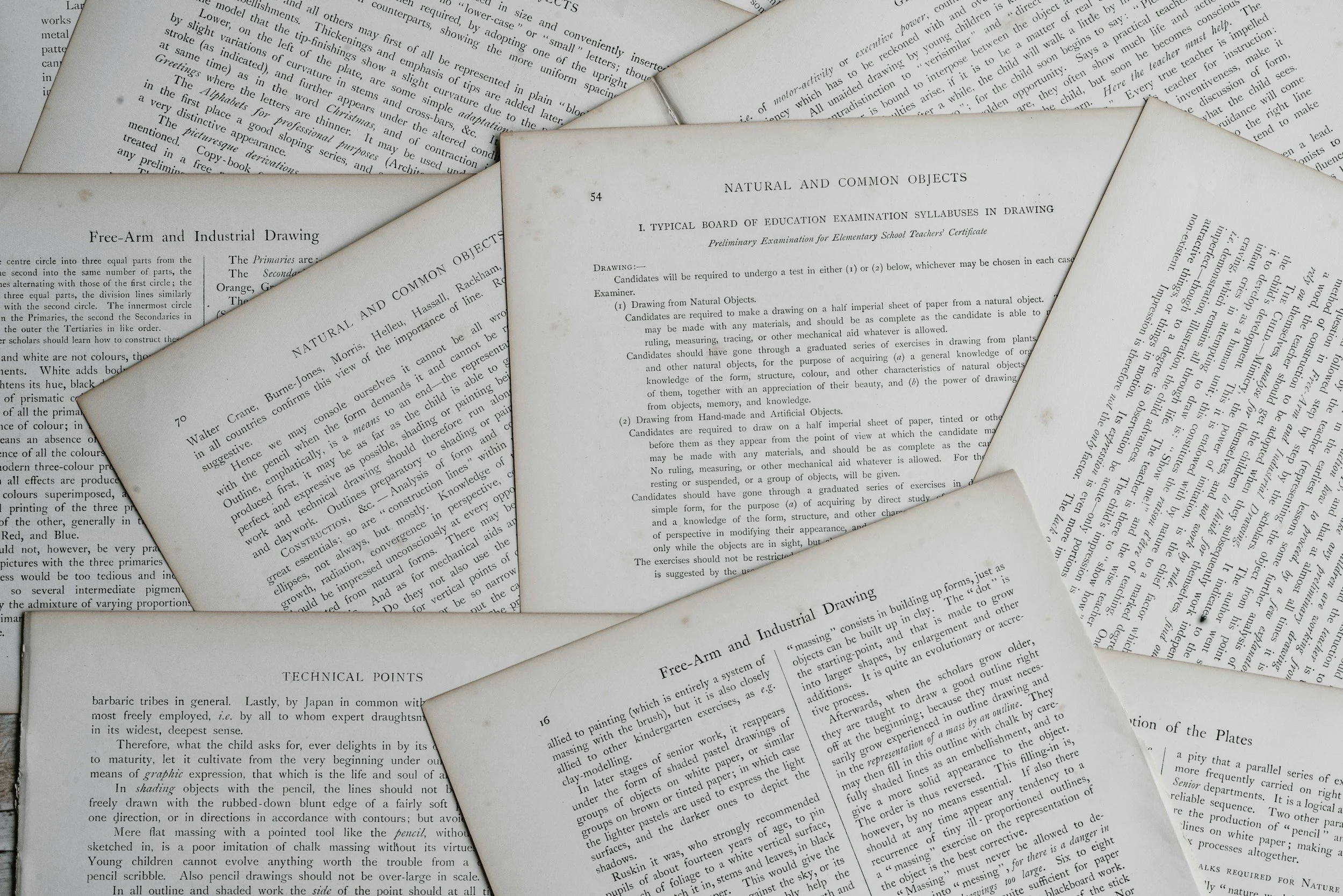
As I read reports of books being cut apart by the thousands, their spines removed, their pages fed into scanners, and the physical remains ultimately destroyed, I cannot help but feel that something more than paper is being discarded. These are stories, ideas, and pieces of human knowledge that have been written, printed, bound, and passed from one reader to another. Seeing them reduced to loose pages, digitized and then discarded so that their contents can be absorbed into machines feels profoundly unsettling.
What, then, are we trying to preserve when we teach people to read and write if machines can increasingly do both for us?
The answer is that literacy has never simply been about recognizing words on a page. Reading teaches us to interpret, question, compare ideas, and understand perspectives different from our own. Writing requires us to organize our thoughts, decide what matters, and communicate an idea clearly. Both are fundamentally acts of thinking.
That becomes even more important in an age when generating words is easy. AI can produce a polished paragraph almost instantly, but generating language and content does not necessarily mean understanding it. As machines become better at producing convincing information, humans arguably need to become better at evaluating it.
Our relationship with reading has already changed dramatically. We move between books, news, social media, videos, and podcasts, often consuming information in increasingly short fragments. AI takes this convenience further, allowing us to summarize a book without reading it or receive an answer without working through the question ourselves. While these tools can make information more accessible, convenience may come at the expense of curiosity, concentration, and critical thought.
Reflections for International Literacy Day
As we reflect on literacy in 2026, perhaps there are a few things worth remembering:
Literacy is more than reading words: it is the ability to understand, interpret, and question what we encounter.
Writing is a form of thinking: when machines do more of the writing, humans still need to decide what is worth saying.
AI makes critical literacy more important: convincing language is not necessarily accurate or meaningful.
Language connects people: translation and localization require an understanding of culture, context, and human expectations, not simply words.
Access still matters: while we debate AI's capabilities, millions of people worldwide still lack basic literacy skills.
Language is ultimately about people. Whether we are translating a website, localizing a campaign, or helping a business communicate across markets, the objective is not simply to produce words in another language. It is to preserve meaning and make communication feel natural and relevant to the people receiving it.
In a world where machines can produce almost unlimited words, our responsibility is to ensure that humans never lose the ability to understand them. That could be the defining value as we celebrate International Literacy Day 2026.
Because literacy gives us more than the ability to read and write. It gives us the ability to think, question, imagine, and connect, qualities that remain distinctly human, whatever the future of AI may bring.

Gerald Lee is the Chief Marketing Officer with Flynde, a global company providing translation solutions to businesses of all sizes.
Discover the best-in-class translation solutions for your business. Trusted & certified for all languages, with locations in Singapore, Switzerland & the USA. Flynde combines human translation expertise with advanced technology to deliver solutions across three business lines: Flynde for startups, Flynde for small businesses, and Flynde for corporations.
For more information, contact us at hello@flynde.com