
When Traditional Chinese Medicine Went Global
It’s already mid-2026, and it is definitely obsolete to view world medicine as a yin-yang map between "East" and "West." Instead, we are witnessing the birth of a unified medical paradigm. For years, Traditional Chinese Medicine (TCM) existed on the periphery of Western clinical practice. Today, it is a data-driven, technologically advanced cornerstone of global healthcare, codified by the World Health Organization’s (WHO) Global Traditional Medicine Strategy 2025–2034.
From subjectivity to precision
The biggest hurdle for TCM has always been the "subjectivity gap." How do you standardize a pulse reading or a tongue diagnosis? Benefited by the rise of precision medicine, TCM has also been refined by new tech, which unsurprisingly includes artificial intelligence.
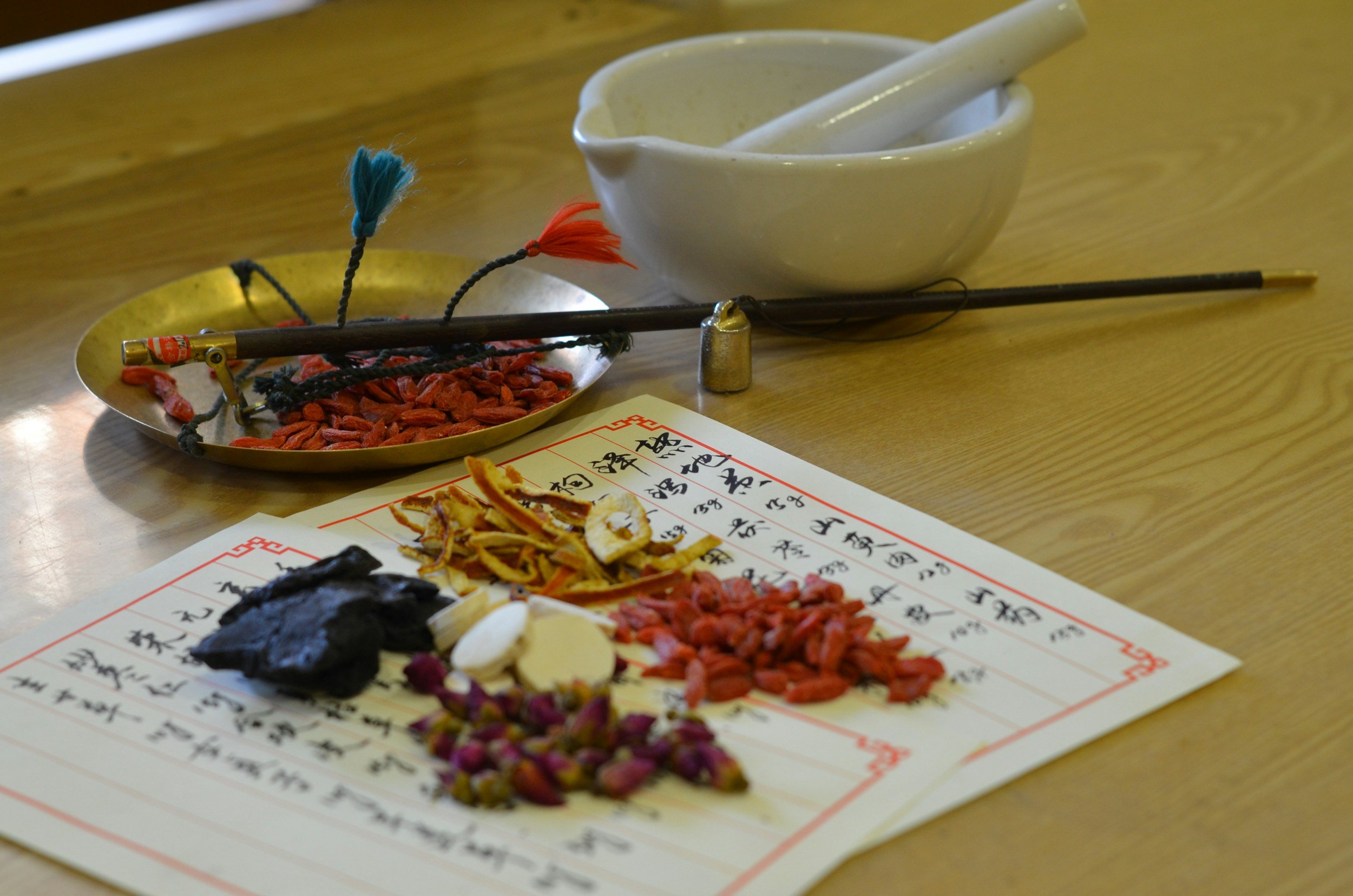
Traditional Chinese Medicine (TCM) has been struggling with a “subjectivity gap.”
Advanced AI tongue diagnosis systems are now deployed in over 10 countries, including Switzerland, Singapore, and Germany. These systems use Transformer architectures and multimodal fusion to correlate visual markers with internal physiological states, providing intuitive health data in multiple languages. Specialized Large Language Models (LLMs) like TCMChat and MedChatZH are now assisting doctors by extracting knowledge from thousands of years of medical texts to recommend personalized, evidence-based formulas.
We’ve even reached a milestone in authentic precision Chinese medicine. Models like TCM-DS now achieve recommendation precision scores of up to 0.9924, enabling treatments tailored to an individual’s unique biological constitution.
Evidence that demands attention
The scepticism of the past has been met with high-impact clinical trials. In 2026, TCM is proving its worth in the most challenging therapeutic areas. For example, a landmark trial by Hong Kong Baptist University recently validated the herbal formula DEP-2306 for mental health applications, finding that participants with depressive symptoms saw their severity scores drop from 11.8 to 6.7 within just four weeks, achieving a 40% remission rate.
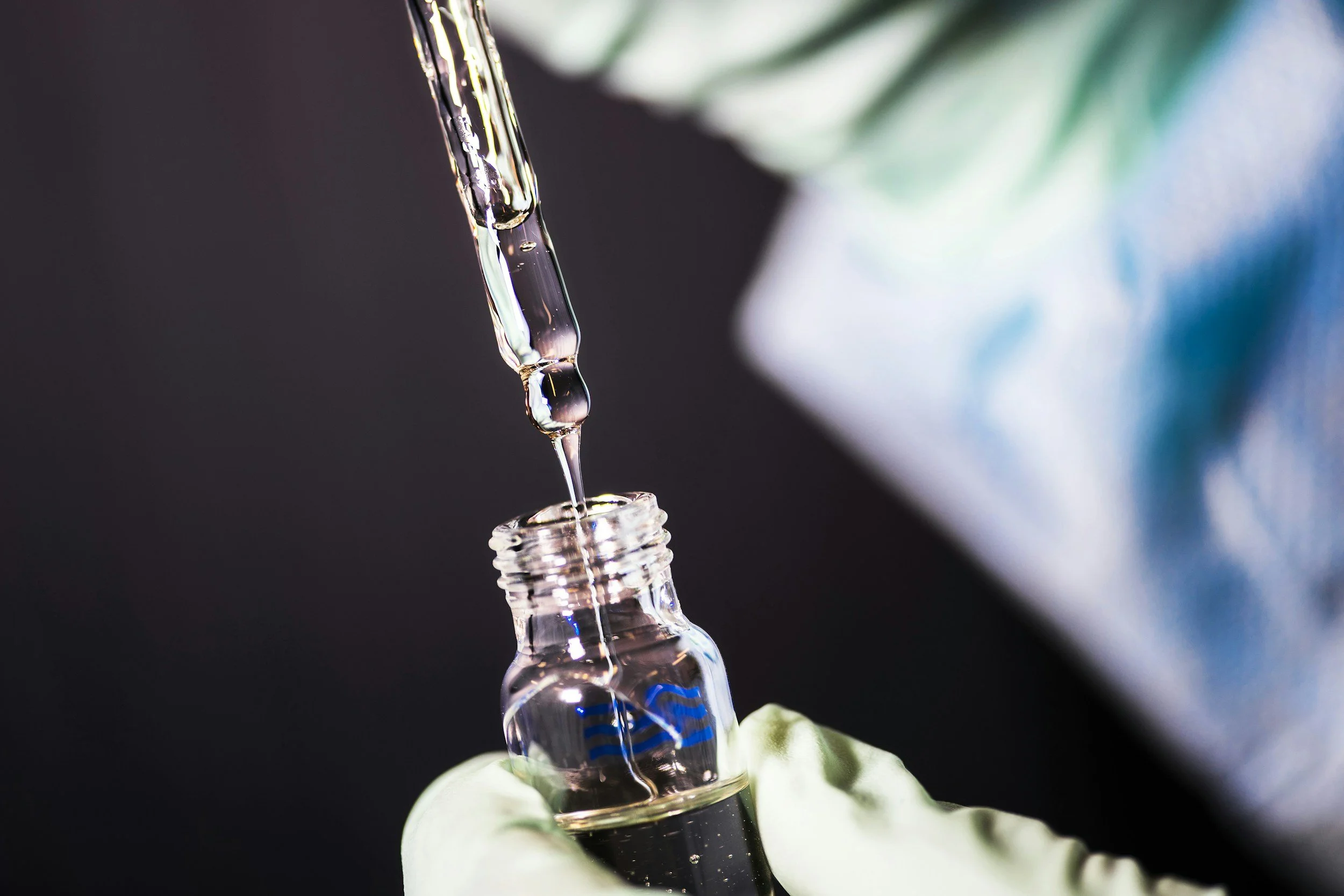
The validilty of TCM has been improved with more clinical trials.
In oncology support, new meta-analyses covering nearly 3,000 patients have confirmed that combining acupuncture with conventional cancer care significantly improves depression outcomes, with auricular acupressure alone showing a 96.3% effectiveness rate in enhancing patient quality of life.
Meanwhile, as the global opioid crisis continues, the "Pain CHAMP" trial has demonstrated that collaborative pain management incorporating TCM can meaningfully reduce pain interference and help patients lower their opioid dosages safely.
An economic powerhouse
The business of TCM is booming. The global market is projected to reach $289 billion by the end of 2026, with an anticipated surge to over $550 billion by 2035.

TCM goes beyond medicine, but also includes therapeutic solutions.
This isn't just about herbal teas. It’s about a sophisticated pharmaceutical industry. China has moved from being a manufacturing hub to an innovation architect, with "China Plus One" supply chain strategies becoming the baseline for global pharma boards. In fact, by early 2026, China's share of AI-driven drug discovery patent filings had reached 68%, far outstripping other regions.
The regulatory and ethical "green light"
Regulation is catching up to innovation. In February, the U.S. FDA implemented the Quality Management System Regulation (QMSR). This moves the industry toward international ISO 13485 standards, requiring manufacturers of TCM diagnostic devices and herbal products to adhere to strict, risk-based quality oversight.
In Europe, the EMA’s 2026 workplan is focused on demystifying the lines between food supplements and traditional herbal medicines, ensuring that patients have access to safe, harmonized, and clearly labeled products.
From another perspective, as TCM goes global, the industry is facing its ethical responsibilities head-on. World Wildlife Day 2026 was dedicated to the theme "Medicinal and Aromatic Plants: Conserving Health, Heritage, and Livelihoods".
With over 20% of medicinal plant species facing extinction, 2026 has seen a massive shift toward sustainable harvesting and the development of plant-based alternatives to endangered wildlife products. Organizations are now awarding grants specifically to validate botanical substitutes for ingredients like pangolin scales and bear bile, ensuring the tradition survives without costing the planet its biodiversity.
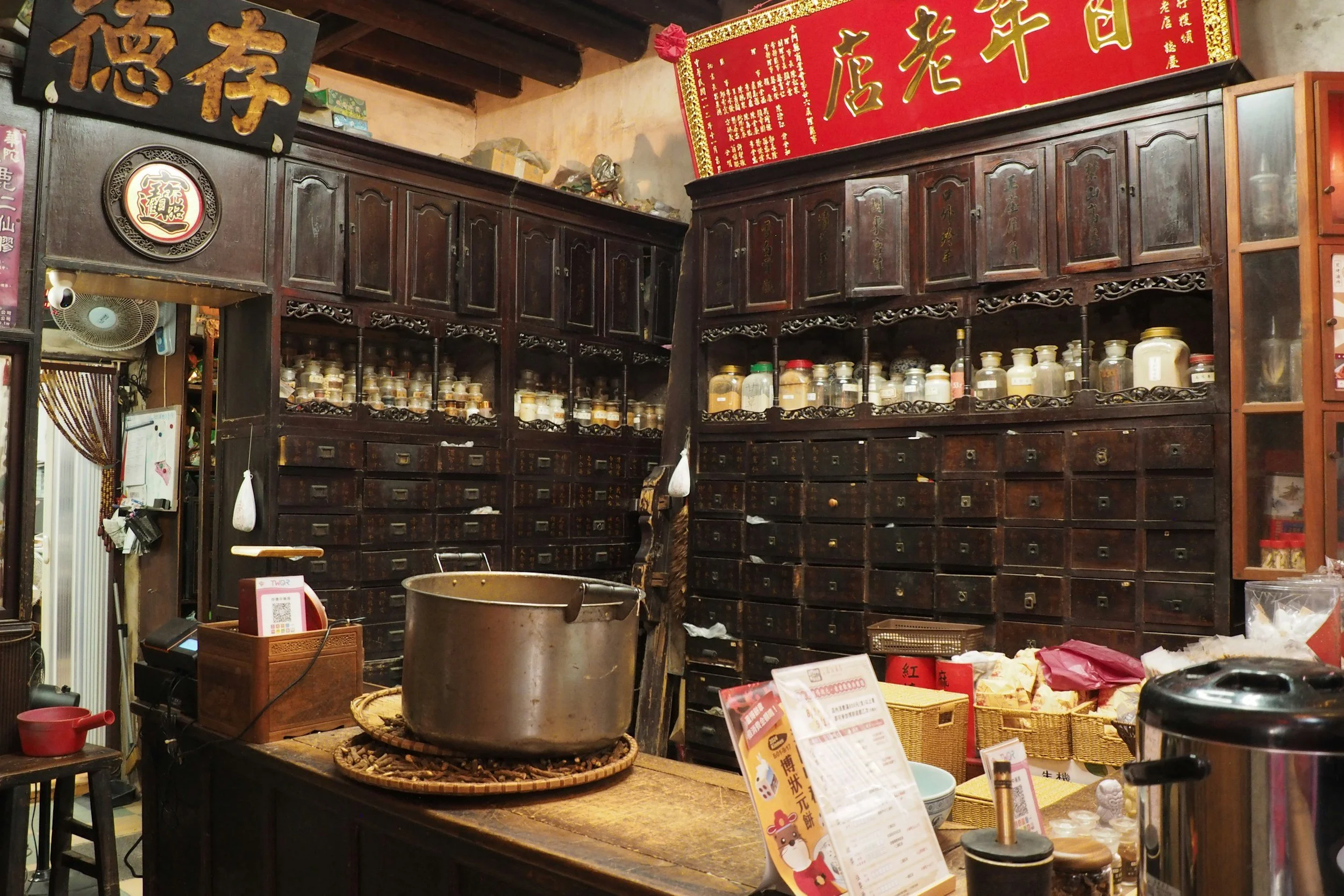
TCM is looking at a promising future with lots of regulatory burdens lifted.
In 2026, TCM is no longer an "alternative." It is a sophisticated, tech-enabled system that complements modern biomedicine. By merging the holism of the ancient world with the systems biology of the new, we are creating a healthcare system that doesn't just treat symptoms. It treats the person.

About the Author
Bert Nguyen is a Copywriter with Flynde, a global company specializing in translation solutions for businesses of all sizes.
Discover the best-in-class translation solutions for your business. Trusted & certified for all languages with locations in Australia, Singapore, Switzerland & the USA. Flynde takes human translation strategies and uses advanced technologies to deliver them to our customers across our three business lines: Flynde for startups, Flynde for small businesses, and Flynde for corporations.
For more information, contact us at hello@flynde.com