In the high-stakes world of construction, the strongest structures aren’t just made of steel and concrete. Instead, they are built on a foundation of clear communication. Experts often describe information flow as the "central nervous system" of a project, connecting diverse teams to physical resources. However, when this system fails, the results are more than just frustrating; they are financially and physically devastating.
Research from the Project Management Institute reveals that more than half of project budget risk is directly attributable to ineffective communication. In fact, poor communication is responsible for an estimated 52%of rework, costing the global industry a staggering $31.3 billion annually. But the most vital reason to prioritize clarity isn’t the balance sheet. It’s the human life on the other end of the instruction.
The real cost of "getting it wrong"
Construction is inherently risky, but the risk is disproportionately borne by the inexperienced. Approximately 74% of all work-related injuries and illnesses in the sector occur within a worker’s initial five years of employment. This "experience gap" makes the quality of early training and daily instructions a life-or-death variable.
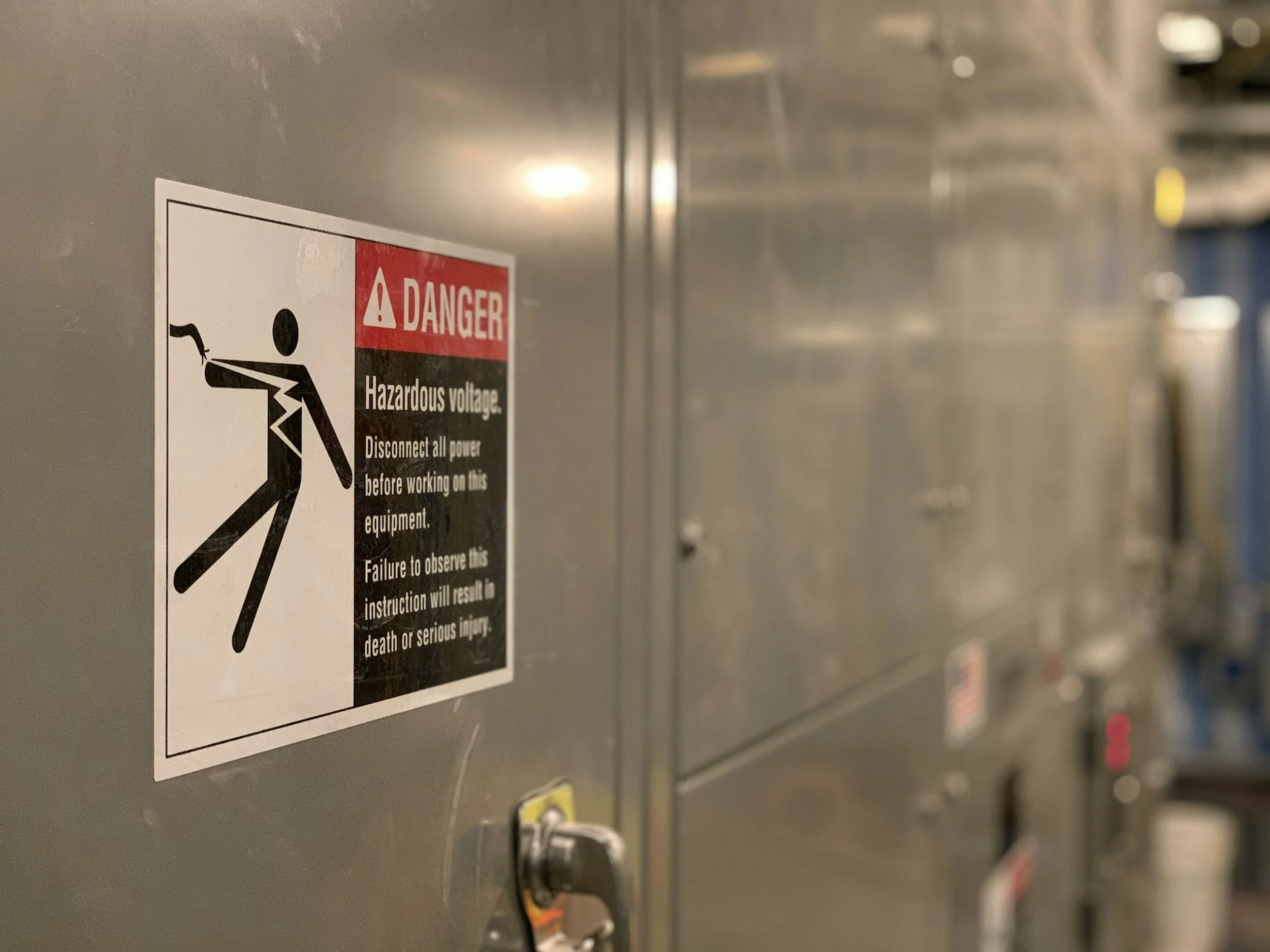
Unclear work instructions may be lethal.
When instructions are vague or inconsistent, workers experience a "detrimental phenomenon" of frustration and demotivation. In high-stress environments, this leads to "false positives" for comprehension, where a worker might nod in agreement out of politeness or respect for authority while remaining unclear on the actual safety protocols.
The return on investment of a safety-first culture
Many leaders still view safety training as a regulatory "box to check," but the data tells a different story. For every $1 invested in robust safety and health programs, employers can expect a return of $4.00 to $6.00 in cost savings.

The investments in workers’ safety are always worth the price.
These savings aren't just from avoiding fines. A strong safety culture improves a firm’s Experience Modification Rate (EMR), directly lowering workers' compensation insurance premiums. Conversely, even one additional medical treatment case per 200,000 hours worked can reduce a firm’s value by 3.68% in the following quarter. To put it simply: clarity is a strategic enabler of operational performance.
Beyond the checklist
How do we actually deliver "clear" instructions? The industry is moving away from static checklists toward more engaging, "andragogical" (adult-learning) methods.
The Power of Narrative: Traditional "facts-only" safety briefings are being replaced by narrative-based Toolbox Talks. Research shows that including short stories about fatal incidents or "near misses" significantly increases knowledge retention compared to standard briefings. These stories help workers develop a sense of "dread," a psychological driver that heightens risk perception and leads to safer on-site behaviour.
Visual Precision: Symbols often speak louder than words. Using line drawings instead of photographs in safety guides can increase the distance at which a worker correctly identifies a hazard by over 1.5 meters. Globally recognized ISO 7010 pictograms provide a "universal language" that bypasses linguistic barriers, ensuring a blue circle always means "mandatory action" regardless of the worker's native tongue.
The Digital Frontier: Innovation is no longer optional. Building Information Modelling (BIM) now enables "Prevention through Design" (PtD), in which potential hazards such as fall zones are automatically identified in 3D models before a single worker steps on site. Meanwhile, Augmented Reality (AR) smart glasses allow field technicians to access step-by-step instructions hands-free, reducing machinery downtime by 20% and minimizing exposure to hazardous risks.
Bridging the language gap
As our workforce becomes more global, linguistic heterogeneity is a major hurdle. In many regions, the language barrier is cited as the most severe challenge to work safety. Leading firms are overcoming this by strategically developing bilingual foremen and supervisors.
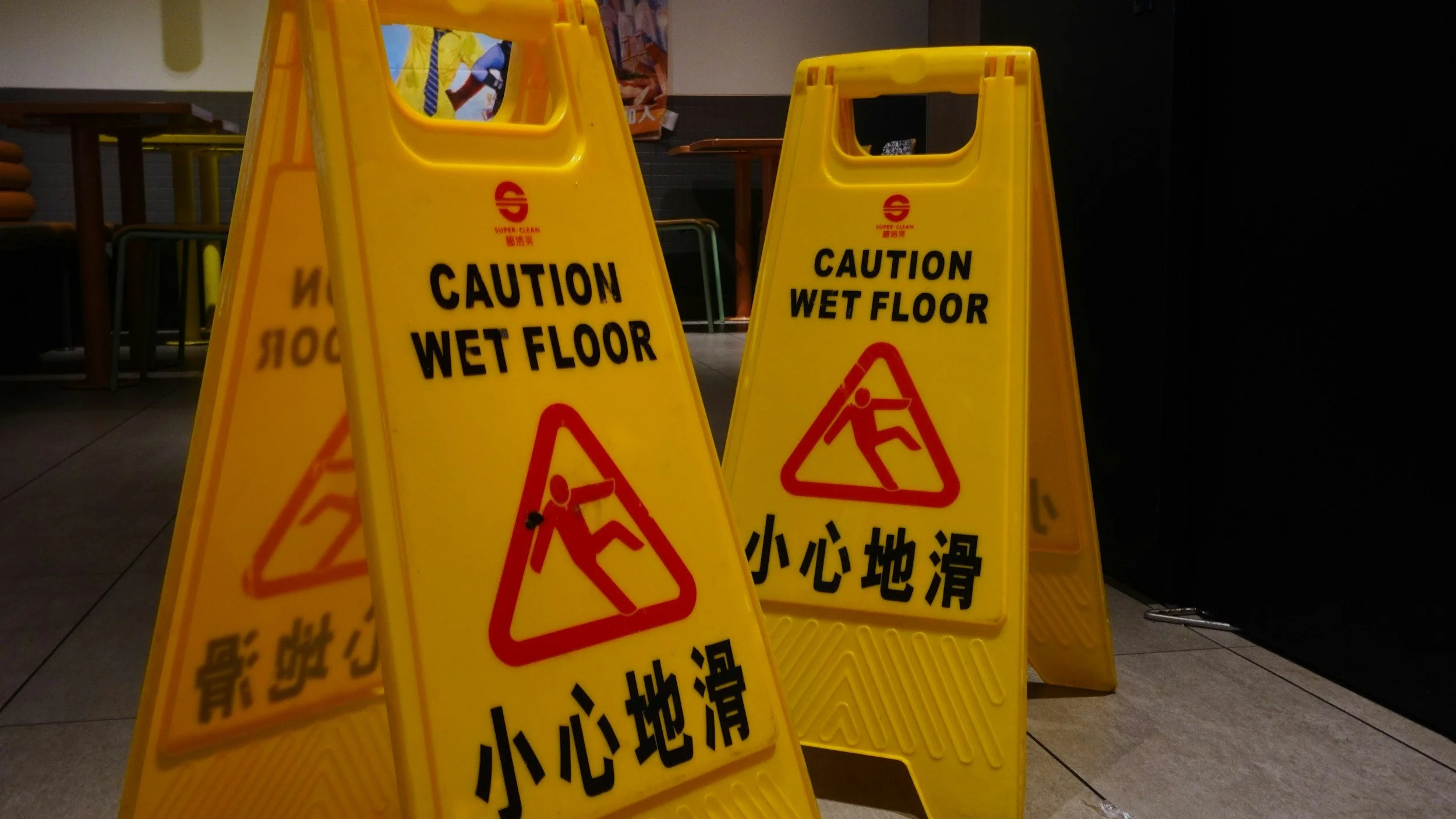
As the workforce is more diverse, work instructions should also be multilingual.
Effective leadership in 2026 means moving beyond one-way mandates. It involves creating a "two-way safety communication culture" where workers are encouraged to report near-misses through mobile-friendly channels like SMS, which boasts a 98% read rate compared to the 20% average for email.
Bridging the language gap
Ultimately, clear instructions are a social resource. When leadership takes overall responsibility for health and safety, as mandated by the ISO 45001 standard, it fosters a "positive error culture". In this environment, raising a safety concern is seen as a sign of job commitment rather than insubordination.
As we look toward 2026, the goal for construction leaders is simple but profound: ensure that every piece of information about hazards is not only shared but also clearly understood and actionable. By integrating narrative training, visual standards, and cutting-edge wearables, we can build a legacy of safety excellence that protects our most valuable asset: our people.

About the Author
Bert Nguyen is a Copywriter with Flynde, a global company specializing in translation solutions for businesses of all sizes.
Discover the best-in-class translation solutions for your business. Trusted & certified for all languages with locations in Australia, Singapore, Switzerland & the USA. Flynde takes human translation strategies and uses advanced technologies to deliver them to our customers across our three business lines: Flynde for startups, Flynde for small businesses, and Flynde for corporations.
For more information, contact us at hello@flynde.com