
Spain Beyond the Postcard: Discovering a Country of Contrasts, Culture and Conversation
Typical clichés of Spain portray it as a country of sun-drenched plazas, tapas shared over long evenings, football rivalries, and Mediterranean beaches. But an extended visit will reveal something far richer: a country constantly balancing tradition with change, local identity with global ambition, and prosperity with growing social debate.
This summer, I spent several weeks based in Valencia, giving me the rare opportunity to experience daily life like a local. I enrolled in Spanish refresher classes at a neighborhood language school, explored local markets, dined at local restaurants and coffee shops, and gradually discovered that every conversation offered another layer to better understanding Spain and its culture.
While I’m no stranger to the language, being immersed in the local community revealed expressions that reflect regional identity. Locals wished each other hasta luego (meaning “until next time”) in a tone and pace textbooks cannot teach, revealing how relationships are uniquely built. It is exactly the kind of cultural immersion that reminds us why localization goes far beyond translation.
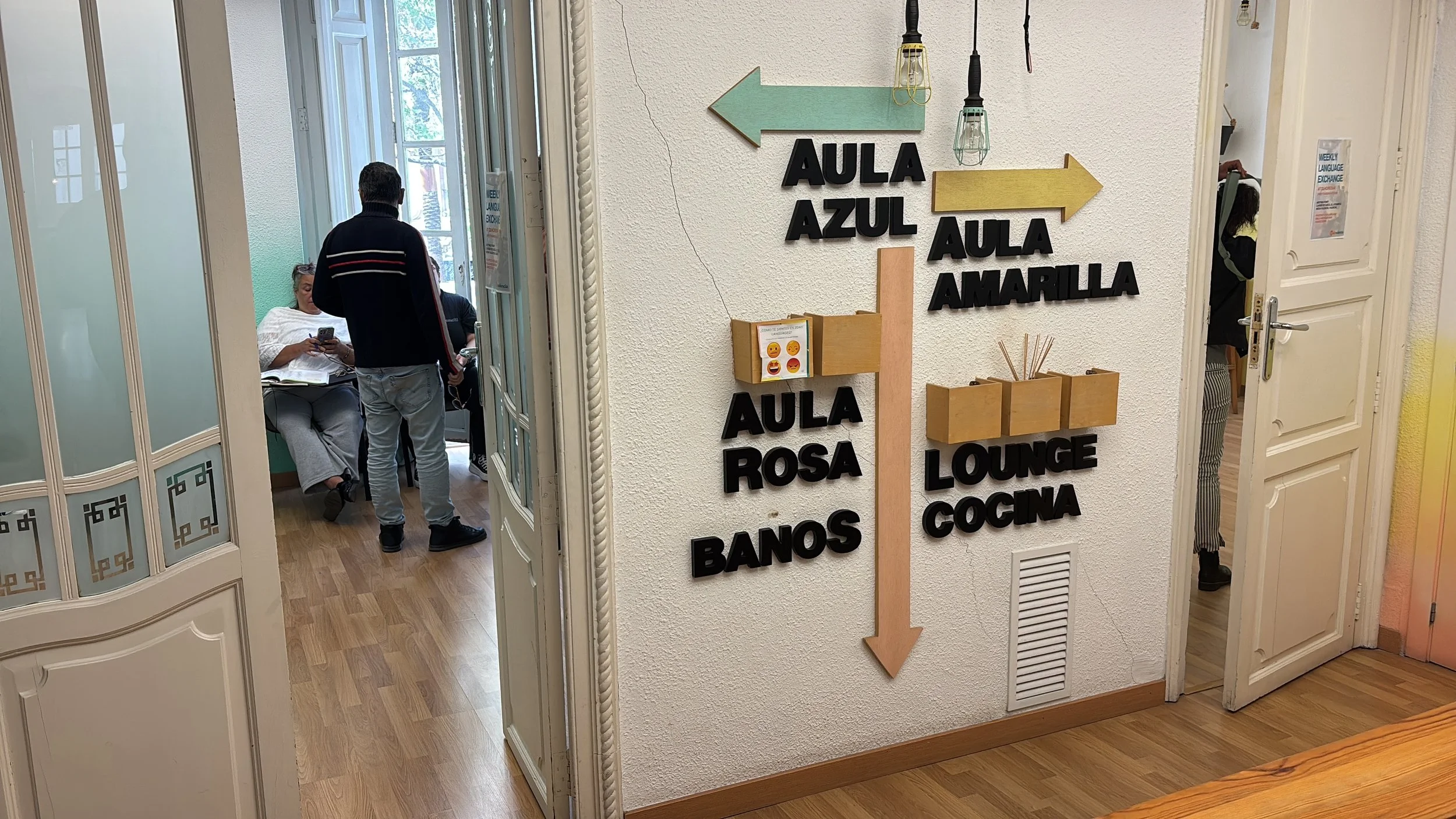
Spanish language classes at AIL Valencia
A Different Side of Valencia
Valencia proved to be much more than Spain's third-largest city.
The futuristic City of Arts and Sciences sits comfortably alongside winding medieval streets, while just a short drive away lies the tranquil Albufera Natural Park. Cruising across its peaceful lagoon at sunset, surrounded by rice fields that gave birth to authentic paella, it became easy to understand why Valencians speak so passionately about protecting both their environment and their traditions.
Further north of Valencia is Montanejos, where crystal-clear thermal springs and the famous baños have attracted visitors for centuries. Nestled amid dramatic mountain landscapes, they offered a completely different image of Spain from that of the bustling Mediterranean coast.
These experiences revealed something often overlooked by visitors: Spain is remarkably diverse, not only between regions but also within them.
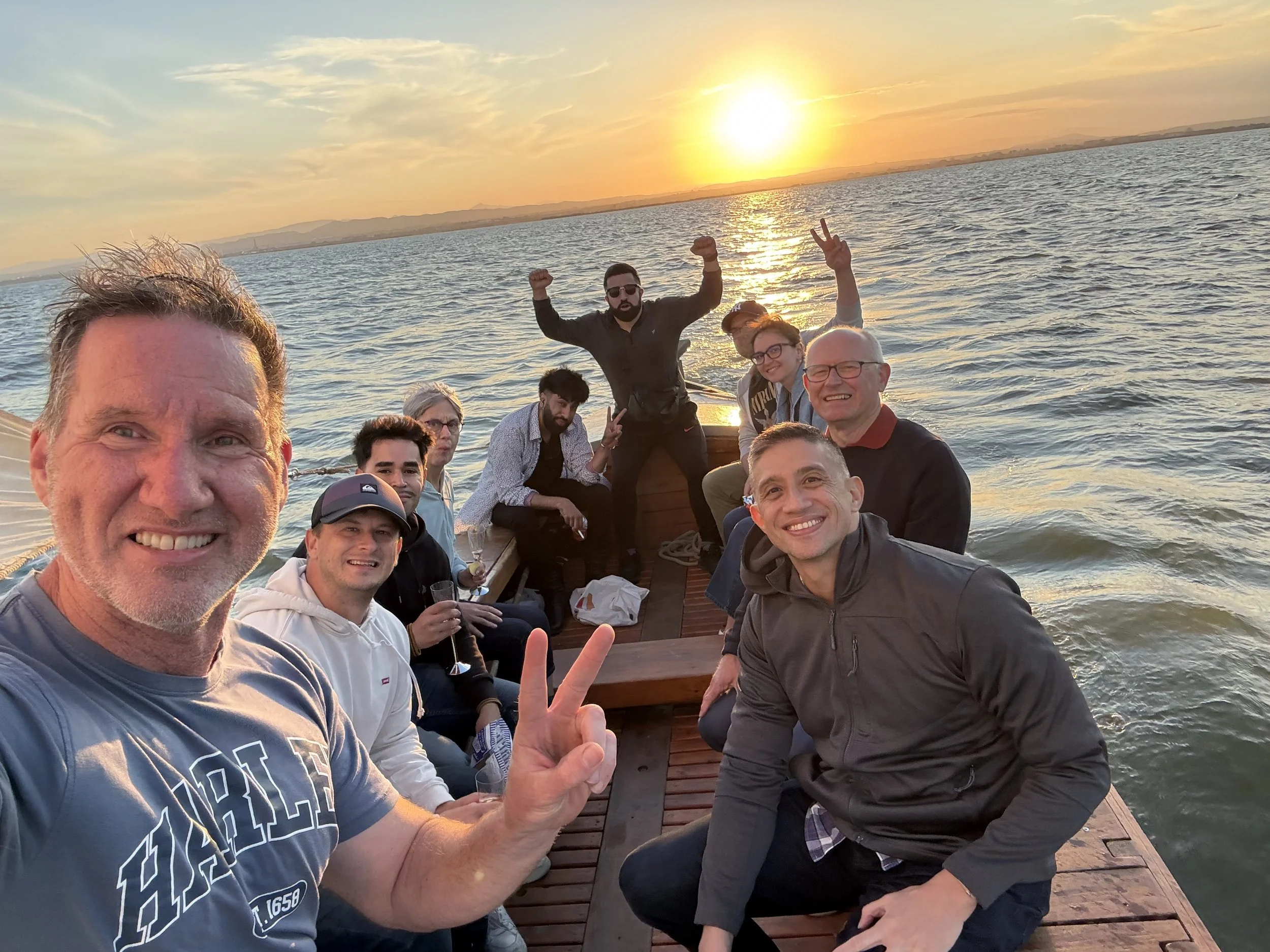
Sailboat ride along the Albufera National Park at sunset
Finding Community Through Sport
One of the highlights of my stay came not through sightseeing but through sport.
I had the opportunity to train with the Dracs, one of Valencia's local water polo clubs. Beyond welcoming me into the pool, the team introduced me to the city's preparations for the 2026 Gay Games, the first time the international event has been hosted in Spain.
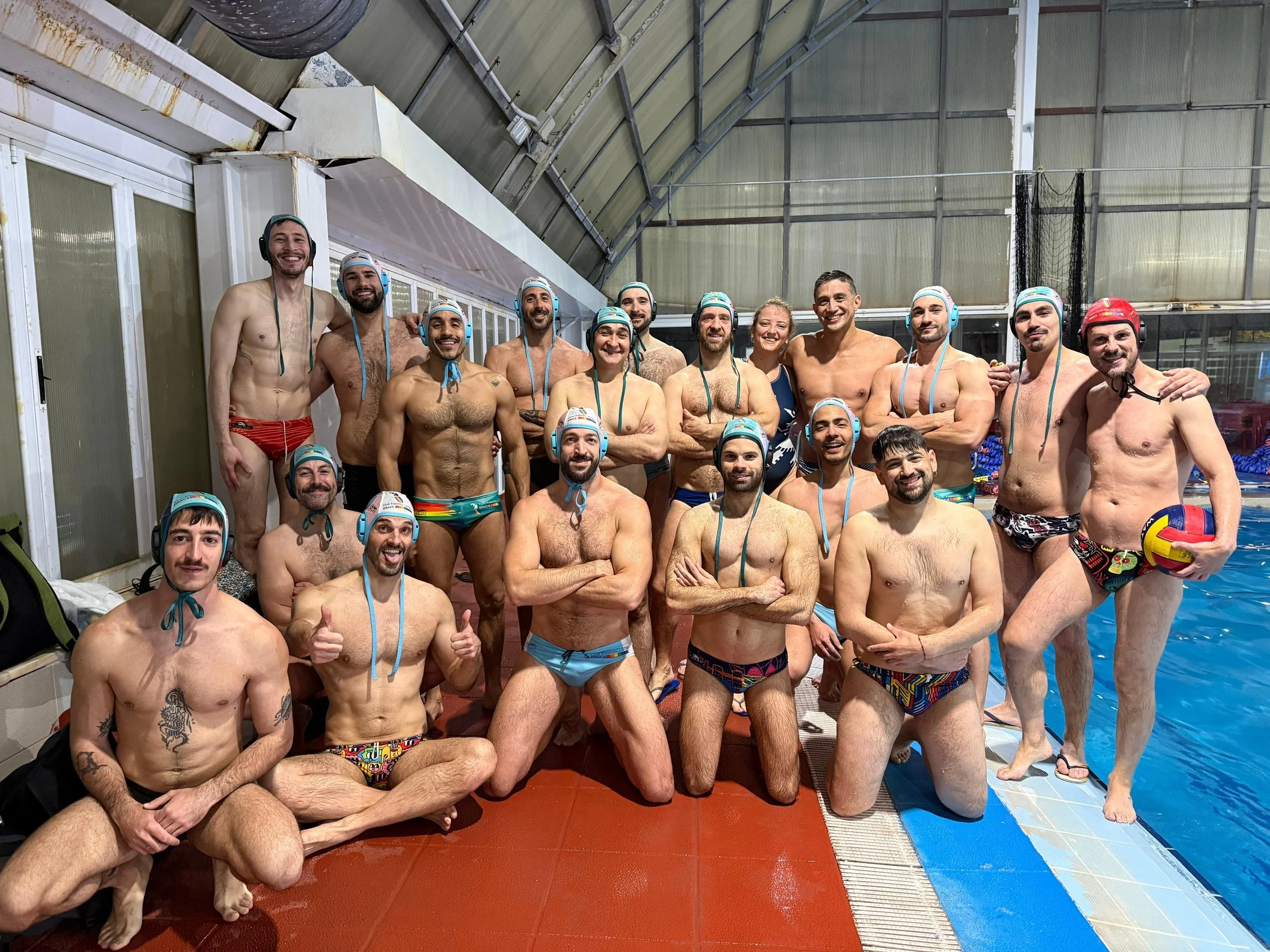
After training with the local Valencian DRACS waterpolo team.
Until then, I had viewed the Games simply as a celebration of inclusive sport. But conversations with local players revealed a far more complicated picture.
Many of Valencia's best-known LGBTQIA+ organizations, including the Dracs themselves, Lambda, Samarucs, ADI, and Chrysallis, have chosen to boycott the Games. Their criticism is not directed at the athletes or the values of the Gay Games movement itself. Instead, they argue that the event is being used as a form of "pinkwashing" by the current regional government.
Looking Beyond the Tourist Brochure
The Gay Games were originally awarded to Valencia in 2021 under a progressive regional administration that worked closely with grassroots LGBTQIA+ organizations to develop an event centered on inclusion and human rights.
Following the 2023 regional elections, however, the Valencian government shifted to a coalition between the conservative Partido Popular (PP) and the far-right Vox party.
Several LGBTQIA+ organizations argue that while the government continues promoting the Gay Games internationally, it has simultaneously proposed changes to transgender legislation, reduced funding for LGBTQIA+ initiatives, and weakened engagement with community groups.
The resulting boycott reflects a broader concern that diversity is being celebrated publicly while protections for minority communities are being debated politically. Whether one agrees with these criticisms or not, they illustrate an important reality about modern Spain: beneath its welcoming image lies an active democracy where social issues are openly contested.
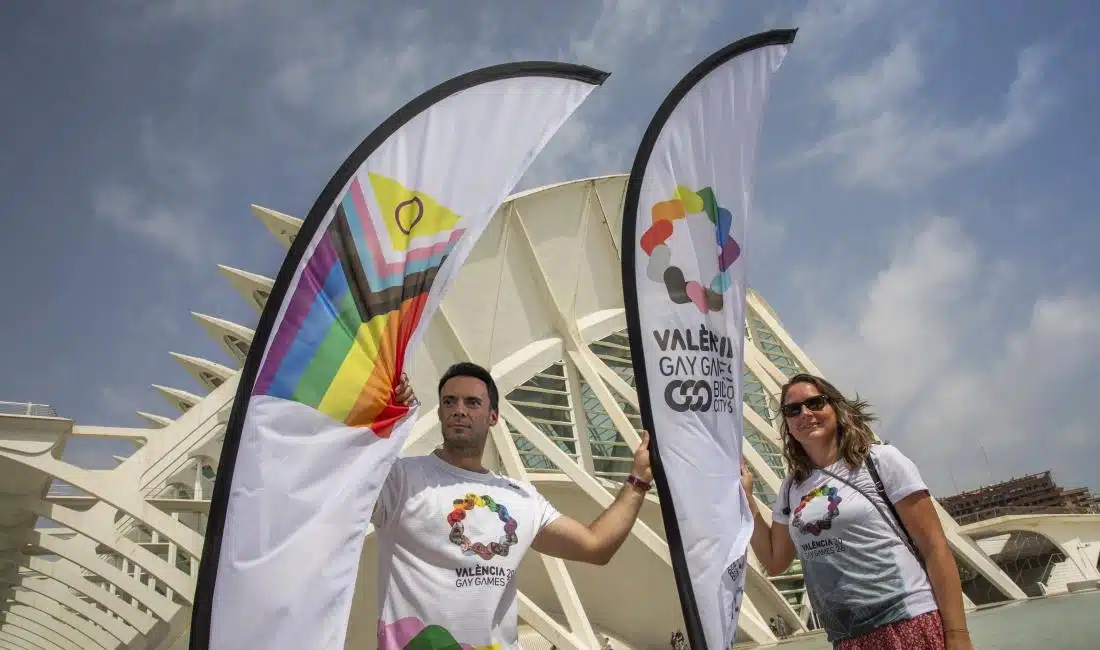
Gay Games 2026 in Valencia
For visitors arriving only for the games or for a week's holiday, these conversations may remain largely invisible. But for those entrenched with local communities, it gives a deeper understanding of the country itself.
A Nation Experiencing Remarkable Change
Valencia's debates mirror wider conversations taking place across Spain.
A recent Straits Times opinion piece by Barney Jopson describes how Madrid has evolved into one of Europe's newest "superstar cities."
Once considered more affordable than Paris or London, Madrid has become a magnet for multinational companies, foreign investors, digital entrepreneurs, international students, and remote workers.
Pro-business policies, lower taxes, and investment-friendly reforms introduced by the Madrid regional government have helped position the Spanish capital as one of Europe's fastest-growing urban economies.
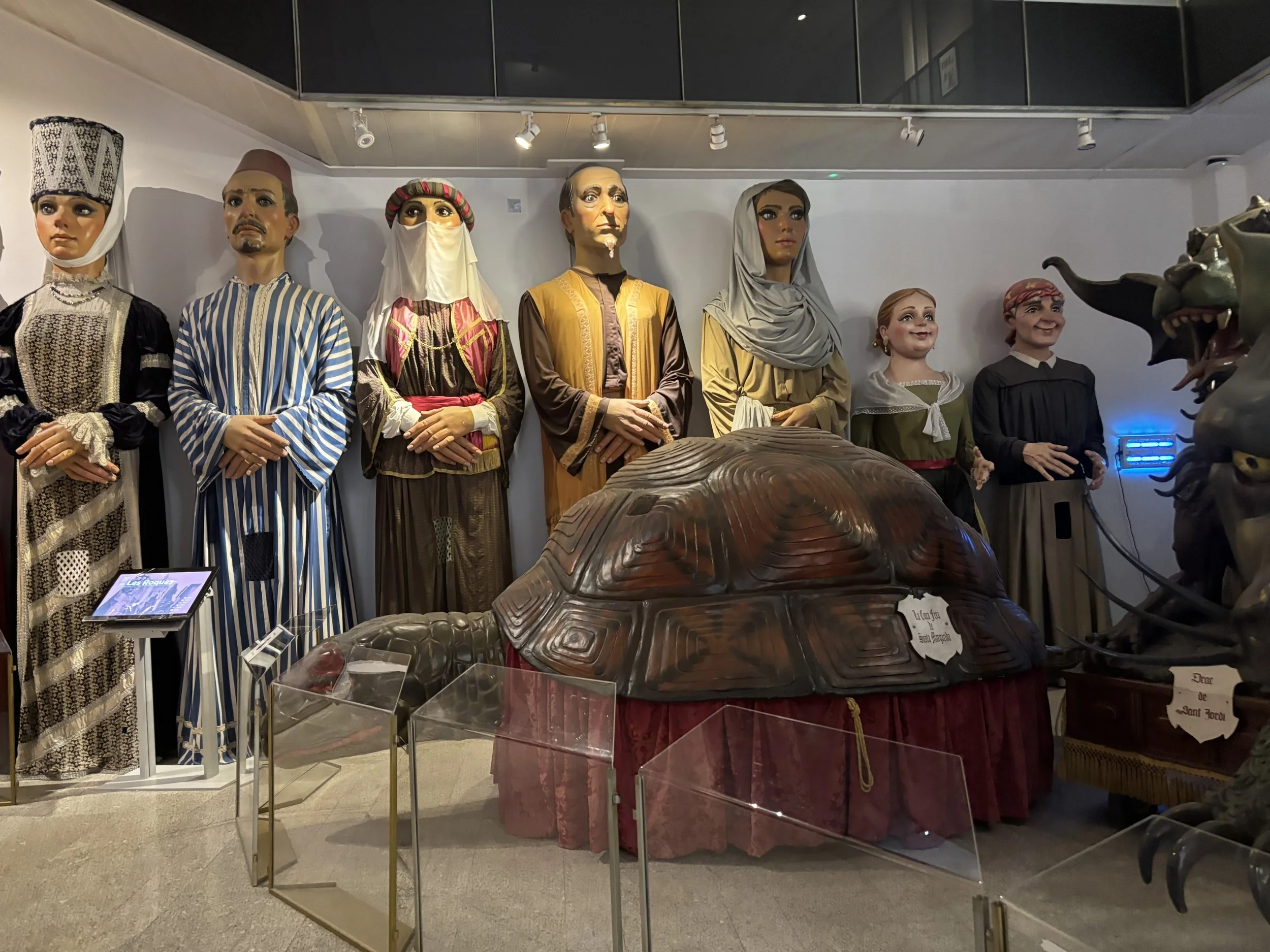
Local traditions celebrate large figurines created from papier-mâché.
Success, however, has brought new challenges. Property prices have risen sharply. Long-term residents increasingly struggle with housing affordability. Historic neighborhoods are changing as tourism, international investment, and luxury developments reshape city centers. Similar debates are unfolding not only in Madrid but also in Barcelona, Málaga, Ibiza, Palma, and Valencia.
Spain's growing international popularity has become both an economic success story and a source of political tension.
Understanding Spain Means Understanding Its Regions
Perhaps the greatest lesson from my visit is that there is no single Spanish identity: Madrid projects confidence as an international financial center; Barcelona balances innovation with Catalan identity; Valencia combines centuries of history with modern ambition while navigating its own political and social conversations.
The quieter landscapes of Albufera and Montanejos remind visitors that Spain's cultural richness extends well beyond its cities. However, every region has its own traditions, cuisine, dialects, and priorities.
For businesses looking to enter the Spanish market, this diversity matters. Consumers expect brands to understand not only the Spanish language but also the local culture, regional nuances, and the values that shape everyday life. Effective localization means recognizing these differences and communicating with authenticity rather than relying on literal translation alone.
More Than a Destination
Spain remains one of Europe's most captivating destinations, not because it is simple but because it is wonderfully complex. Its thriving cities, regional identities, political debates, sporting communities, and centuries-old traditions all coexist within one country that continues to reinvent itself.
Valencia was more than a refresher in Spanish. The city reinforced the idea that the most meaningful travel begins when we move beyond the attractions, engage with local communities, and listen to the conversations shaping everyday life.
In many ways, that is also the essence of successful localization.
Whether traveling, building relationships, or expanding a business internationally, genuine understanding begins with appreciating the stories beneath the surface.

About the Author
Colin Drysdale is the Chief Strategy Officer with Flynde, a global company providing translation solutions to businesses of all sizes.
Discover the best-in-class translation solutions for your business. Trusted & certified for all languages with locations in Singapore, Switzerland & the USA. Flynde takes human translation strategies and uses advanced technologies to deliver them to our customers across our three business lines: Flynde for startups, Flynde for small businesses, and Flynde for corporations.
For more information, contact us at hello@flynde.com