From an Engine of Hate to Peace: Reclaiming Social Media for Digital Civility
I usually joke that if I’ve had too good a day, five minutes on social media will balance it out. I’m confident that it’s not just me who feels it that way. We’ve heard the same narrative: social media is a digital battlefield, a breeding ground for hate speech and polarization. But what if we stopped viewing these platforms solely as the problem and started leveraging their infrastructure as the solution?
Emerging research and innovative tech are proving that the same tools used to spread hostility can be re-engineered to foster empathy, de-escalate conflict, and build more resilient online communities. Flipping the script is surprisingly plausible.
Moving from "Delete" to "Resolve"
Traditional moderation often relies on a "post-hoc" model: a user posts something hateful, and the platform removes it. While necessary for severe violations, this doesn't address the underlying behaviour.
New platforms like Nisien.ai (a spin-out from Cardiff University’s HateLab) are introducing a "resolve" capability. Instead of just hiding content, the platform uses generative AI to suggest de-escalation responses based on decades of behavioural research. These empathy-based counter-narratives have been shown to reduce negative interactions by up to 65% in testing environments.
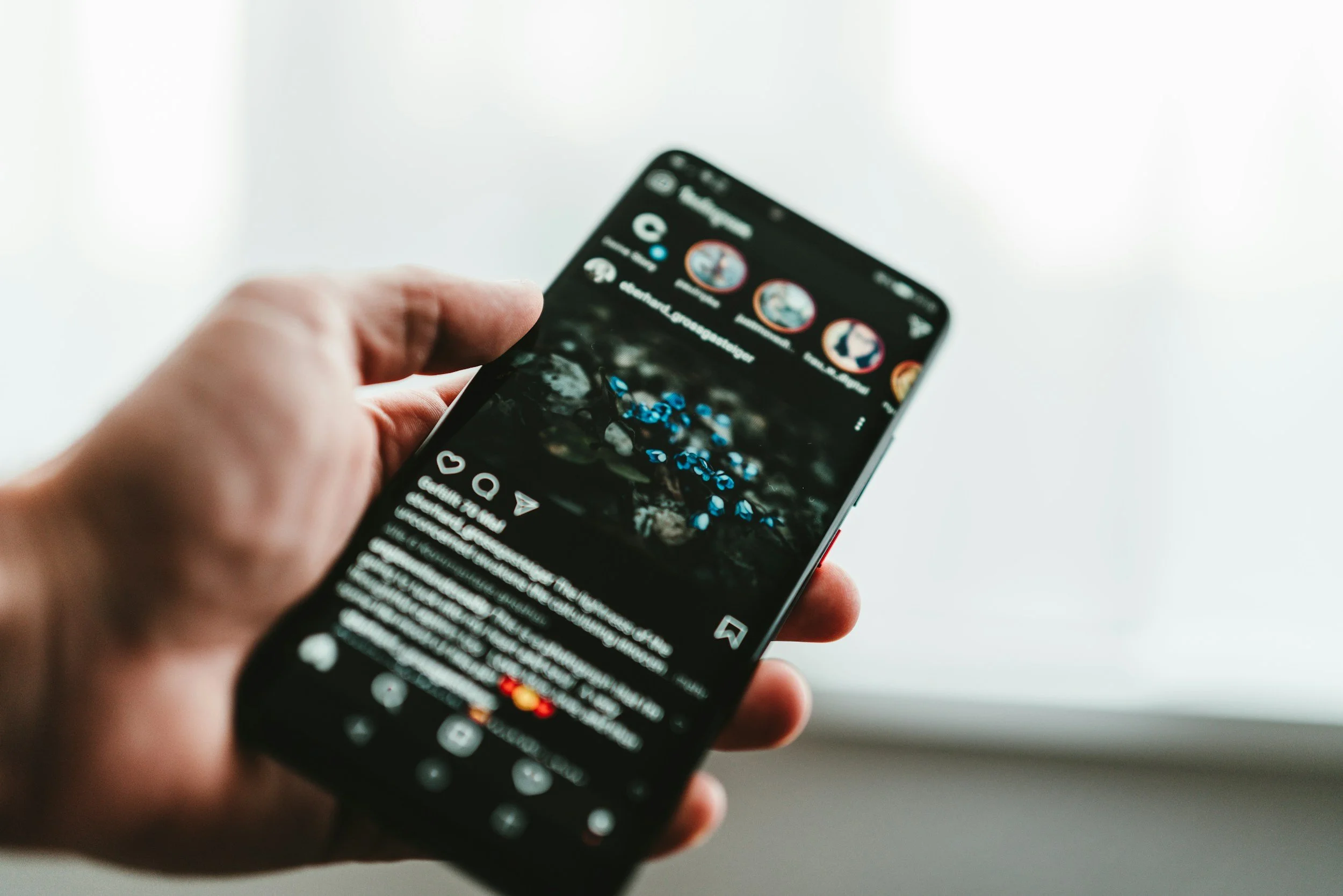
GenAI has been experimented to help de-escalate heated debates on social media
Similarly, Google and Jigsaw’sPerspective API has processed billions of calls to help publishers identify "toxic" comments in real time, allowing them to foster better conversations rather than just shutting them down.
The power of "positive friction"
Many hateful or misleading posts are shared not out of malice, but because of "limited attention." We scroll fast, react emotionally, and click "share" without thinking.
One promising intervention is digital nudging, whereby simple design changes, often referred to as 'positive friction,' are introduced to prompt moments of reflection before users act. Accuracy nudges, for instance, encourage users to consider whether a story is truthful before sharing it and have been shown to significantly improve discernment in sharing.

With positive friction, users are reminded to make a second thought before sharing on social media.
Similarly, audience cues provide visual reminders of who will see a given post, helping to reduce regrettable disclosures and hostile outbursts. Time delays operate on a related principle, inserting a brief pause before a post goes live and allowing the brain's slower, more deliberate thinking systems an opportunity to override impulsive reactions
Rewriting the choice architecture
Minor adjustments to user interface design can produce meaningful shifts in online behaviour, and platforms are increasingly discovering that rewarding quality over outrage yields better community outcomes.
For example, Techdirt expanded its voting options beyond a generic like button by introducing "funny" and "insightful" labels, giving users a clearer way to signal what the community genuinely valued.
Medium took a subtler approach, reframing its comment prompt from "Write a comment" to "Write a response" and offering a full-screen editing mode, a small change that nonetheless encouraged users toward more thoughtful, long-form contributions rather than reactive outbursts.
Meanwhile, platforms like Parlio have addressed the problem at the point of entry by requiring new users to acknowledge specific rules of conduct before joining, ensuring that community norms are understood and agreed upon from the very beginning.
Radical empathy as a strategy
The most effective way to fight hate isn't always through shaming or threats of suspension. A randomized field experiment of 1,350 Twitter users found that empathy-based counterspeech, messages that humanized victims and reminded the sender of the pain their words cause, was the only strategy that consistently led to users deleting their own hateful content.
Empathy is the true antithesis of hate speech on social media.
A classic case study is Megan Phelps-Roper. Once a prominent voice for the Westboro Baptist Church, she eventually left the group after being moved by the "radical empathy" of counterspeakers who reached out to her politely, discussing music and food to build a sense of community before ever debating her theology.
A listening device for peace
Beyond individual interactions, organizations such as the United Nations and International Alert have begun leveraging social media as a kind of listening device, using it to map rising tensions before they escalate into physical violence. By analysing sentiment and identifying the trigger points through which rumours tend to spread, mediators can intervene at an early stage, before conflicts solidify.
Digital civility requires us to move beyond reactive censorship. By combining targeted AI de-escalation, behavioural nudges, and community-led counterspeech, we can transform social media from a digital communicative battlefield into a space for peaceful dialogue.
Of course, this is not going to wipe out all hate speech on social media immediately. Yet you and I know we can make a difference instead of avoiding or relentlessly whining about it.

About the Author
Bert Nguyen is a Copywriter with Flynde, a global company specializing in translation solutions for businesses of all sizes.
Discover the best-in-class translation solutions for your business. Trusted & certified for all languages with locations in Australia, Singapore, Switzerland & the USA. Flynde takes human translation strategies and uses advanced technologies to deliver them to our customers across our three business lines: Flynde for startups, Flynde for small businesses, and Flynde for corporations.
For more information, contact us at hello@flynde.com