
From Samurai to Saviour: The Wild and Resilient Story of Christianity in Japan

Bert Nguyen
Associate Language Manager and Copywriter at Flynde
Did anyone say Japan? I immediately picture neon-lit streets, ancient shrines, or the perfect bowl of rayu tonkotsu ramen. But hold on, there’s also another Japan where Jesus Christ farmed garlic in a remote northern village or the Ark of the Covenant was hidden under a misty mountain. The history of Christianity in Japan is a rollercoaster of high-stakes politics, incredible survival, and some of the most fascinating "alternative histories" on the planet. Join me on this fascinating ride to explore a lesser-known spiritual aspect of Japan.
The Samurai and the Saint
It all started in 1549 when a charismatic Jesuit named Saint Francis Xavier landed in Kagoshima. He wasn't alone; he had a Japanese samurai named Anjirō to guide him. At the time, Japan was a chaotic mess of warring states, and local lords (daimyo) quickly realized that being friendly to the "Southern Barbarians" meant access to cool European tech, specifically, matchlock guns.
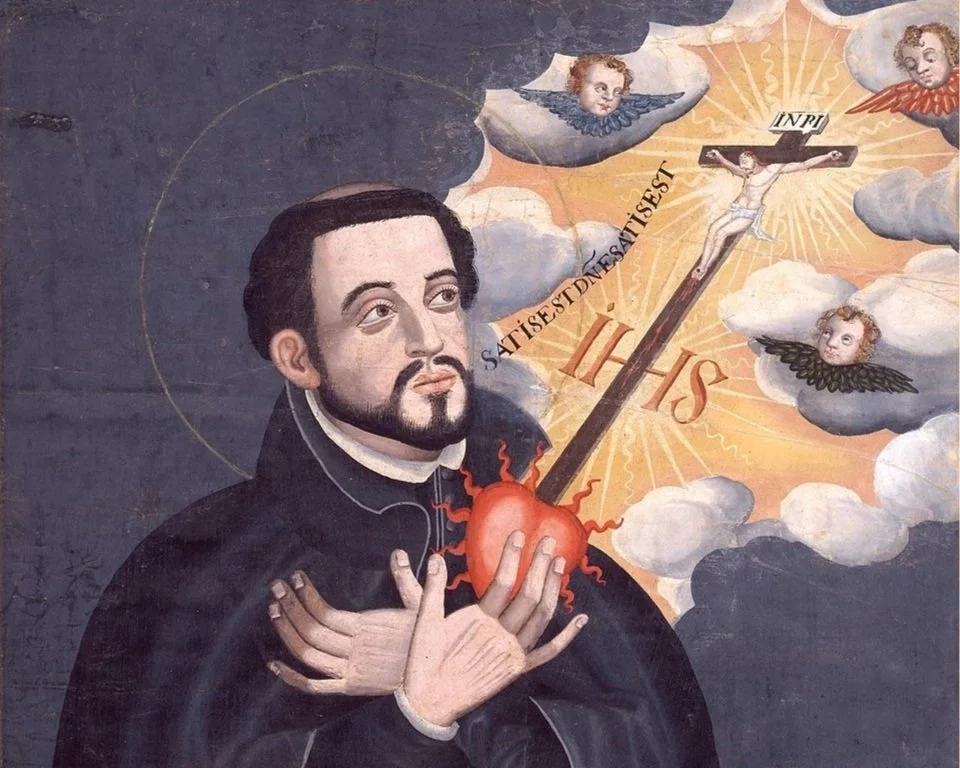
Saint Francisco Xavier’s portrait (excerpt), currently on displace at Kobe City Museum, Japan
This sparked a "Christian Century" where the faith exploded. By the early 1600s, there were roughly 350,000 believers, which was about 2% of the population. It was a time of massive cultural exchange, where samurai carried rosaries and young Japanese students even travelled to Rome to meet the Pope.
Survival in the shadows
But the good times didn't last. The ruling Shogunate began to fear that the Christians’ ultimate loyalty belonged to a foreign God (or the Spanish King), not the Shogun. They banned the faith and began a brutal crackdown. Believers were forced to trample on fumi-e, a bronze image of Jesus or Mary, to prove they weren’t secretly praying. These troubling punishments, together with other brutal tortures, are depicted by Japanese literary giant Shūsaku Endō in his novel Silence, which was adapted into a movie by Martin Scorsese in 2016.
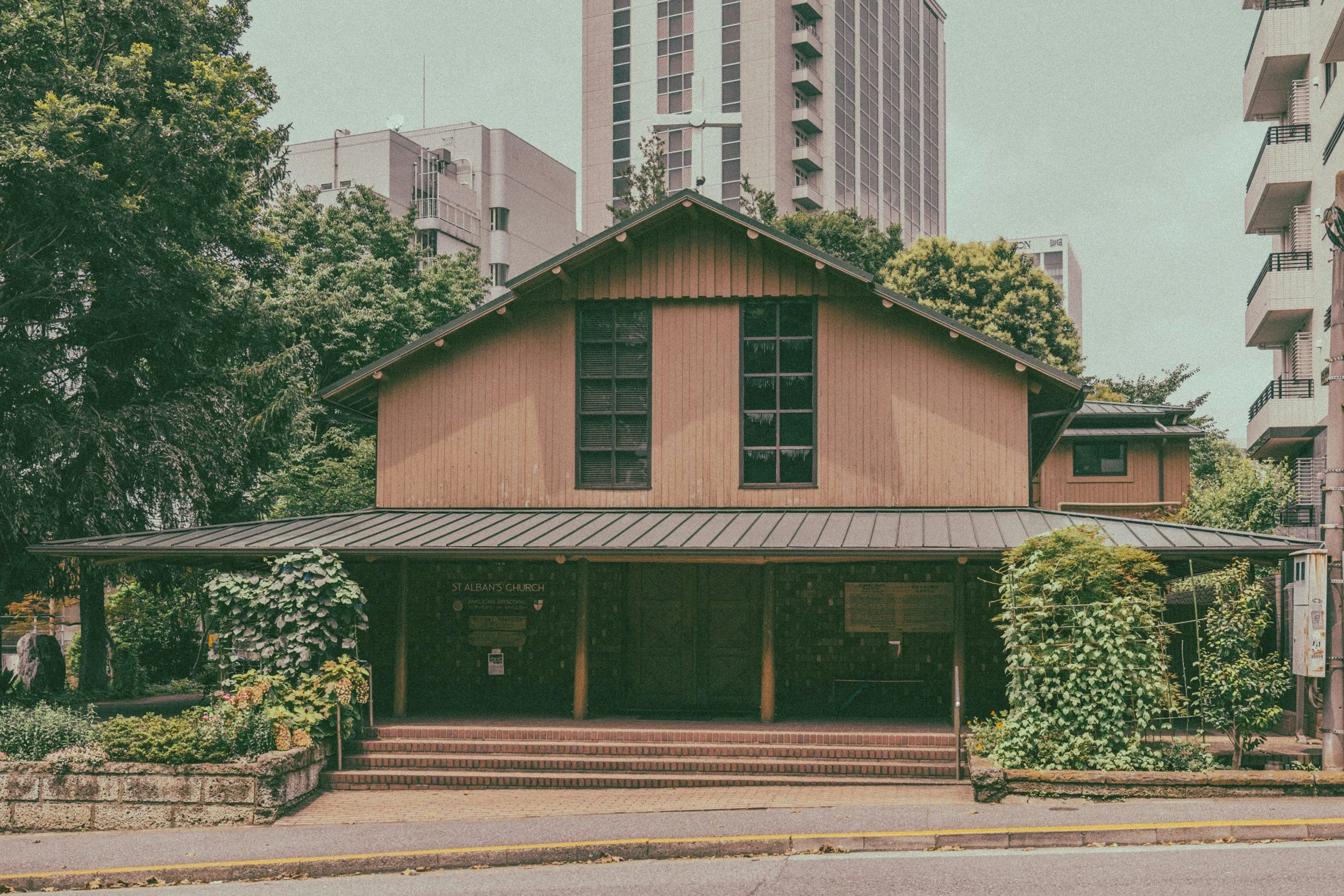
A church in Japan
These harsh treatments led to one of the most inspiring stories of resilience in religious history: the Kakure Kirishitan, or Hidden Christians. For over 200 years, these communities lived a double life. They disguised their faith using "Maria Kannon" statues, Buddhist deities that were secretly the Virgin Mary in disguise. They even used mother-of-pearl patterns on abalone shells as secret Christian icons. They had no priests and no Bibles, yet they passed their prayers down through seven generations of silence.
Now the wild twist
Deep in the mountains of Aomori Prefecture lies a village called Shingo (formerly Herai). Forget Dan Brown, because this village is holding a legend that turns the New Testament on its head.
According to local folklore and a set of controversial scrolls called the Takenouchi Documents, Jesus didn’t die on the cross at Golgotha. Instead, his younger brother, Isukiri, took his place! Jesus reportedly fled through Siberia and Alaska, eventually landing in northern Japan. He changed his name to Torai Tora Daitenku, became a garlic farmer, married a local woman named Miyuko, and lived to the ripe old age of 106.

Today, you can visit two burial mounds in Shingo. Commonly referred to as Kirisuto no Haka ( キリストの墓, basically Christ’s Tomb), this complex comprises one tomb for Jesus and one for his brother’s ear (?). Every June, the village holds a Christ Festival, where kimono-clad women perform a traditional dance around the graves. While most villagers treat it as a fun cultural heritage rather than a gospel truth, it’s a beautiful example of how Japan "soaks up" global influences and makes them uniquely their own.
The ark and the anime
The fun doesn't stop there. Some theorists claim that Mt. Tsurugi on Shikoku Island is the secret resting place of the Ark of the Covenant, supposedly brought there by a lost tribe of Israel. There are even whispers of linguistic links between ancient Hebrew and Japanese shrine rituals, though most scholars filed these under "fun folklore."
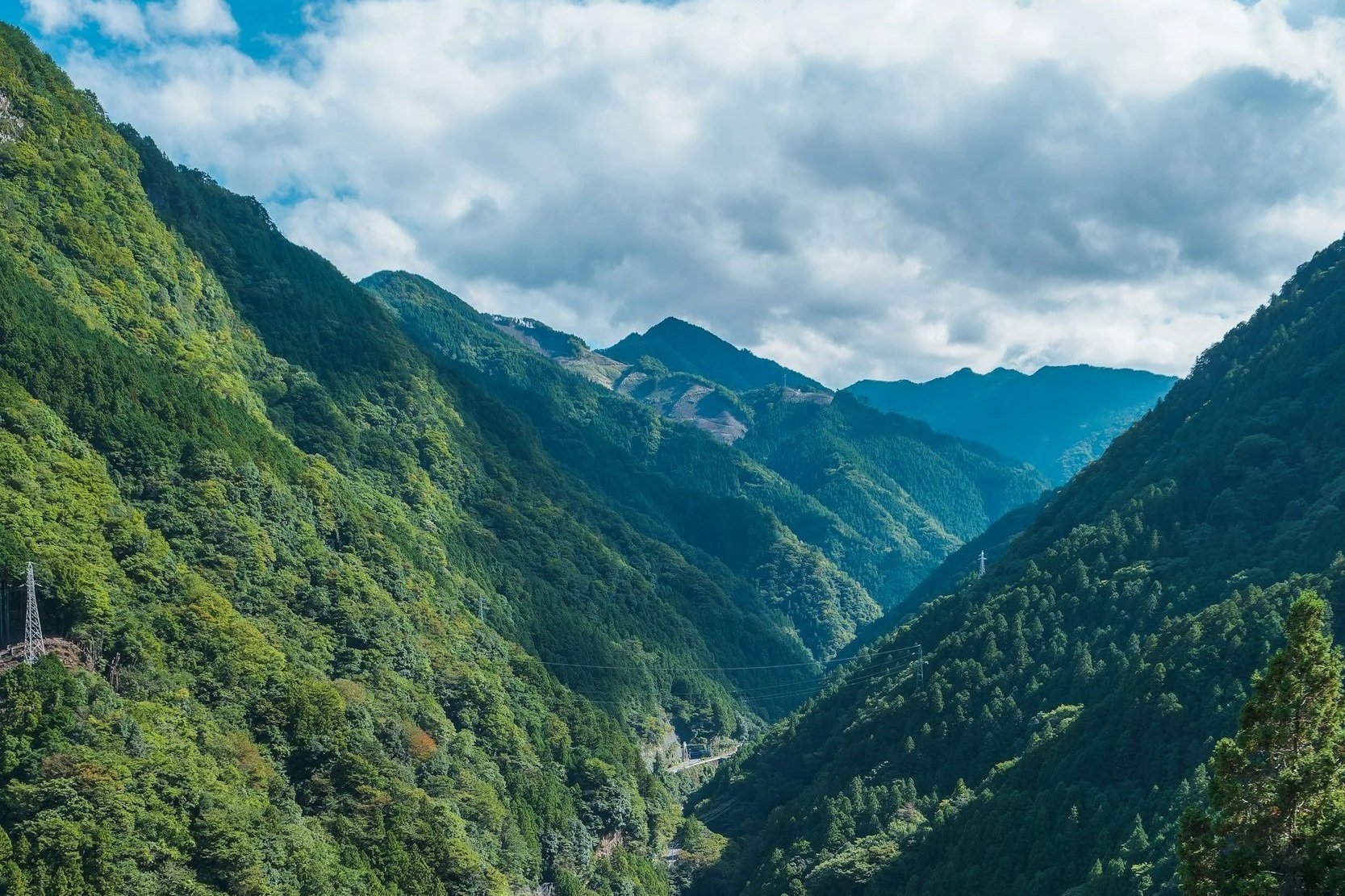
Mount Tsurugi on Shikoku Island, southern Japan
In modern Japan, Christianity has taken on a life of its own in pop culture. It’s often called "Anime Catholicism." You may already see those cross-shaped explosions in Neon Genesis Evangelion or the priest-exorcists in Blue Exorcist (in case you, just like me in the olden days, didn’t recognise the religious undertone of those titles). For many Japanese creators, Christian imagery isn't about theology; it’s about a "cool, mysterious" aesthetic that adds a layer of epic scale to their stories.
In Silence, Shūsaku Endō once compared Japan to a "swamp" that transforms everything planted in it. Christianity didn't just arrive in Japan; it was reshaped, hidden, and reimagined. Whether it's the heartbreaking courage of the Hidden Christians or the bizarre garlic-farming legends of the north, the story of Christianity in Japan is a testament to the human spirit's ability to find faith, and a bit of mystery, in the most unexpected places.
COFFEE WITH BERT
This is to bring you the richness of global traditions straight to your desktop.
Join Bert Nguyen - one of our copywriters, as we journey beyond borders—celebrating diversity, bridging cultures, and uncovering the stories, places, and people that make our world so fascinating.
