
Beyond First and Last: A Global Guide to Naming, History, and Heritage

Bert Nguyen
Associate Language Manager and Copywriter at Flynde
Does your name fit into a database?
For millions of professionals in our globalized workforce, the answer is a frustrating "no." Whether it is a passport office flagging a name as "invalid" (by the way, it’s me and my partner struggling at the airport immigrant)or a HR system forcing a mononymous person to register as "LNU" (Last Name Unknown), our modern world is built on a "First-Middle-Last" template that simply doesn't exist for a large portion of humanity.
Naming is more than a label; it’s a dynamic biography. From the astrological syllables of Myanmar to the strict patronymic grammar of Iceland, here is how personal naming reflects history, status, and familial ties around the world.
The power of the mononym: Indonesia and Myanmar
In the West, we assume a "family name" is a universal constant. In Indonesia and Myanmar, it is often nonexistent.
In Indonesia, particularly among the Javanese, a single name like "Sukarno" or "Suharto" constitutes a complete legal identity. For the Balinese, names function as a social map, incorporating caste titles and birth-order markers (Wayan, Made, Nyoman, Ketut). This system is so logical that a single name tells you exactly where a person stands in their family and the social hierarchy.
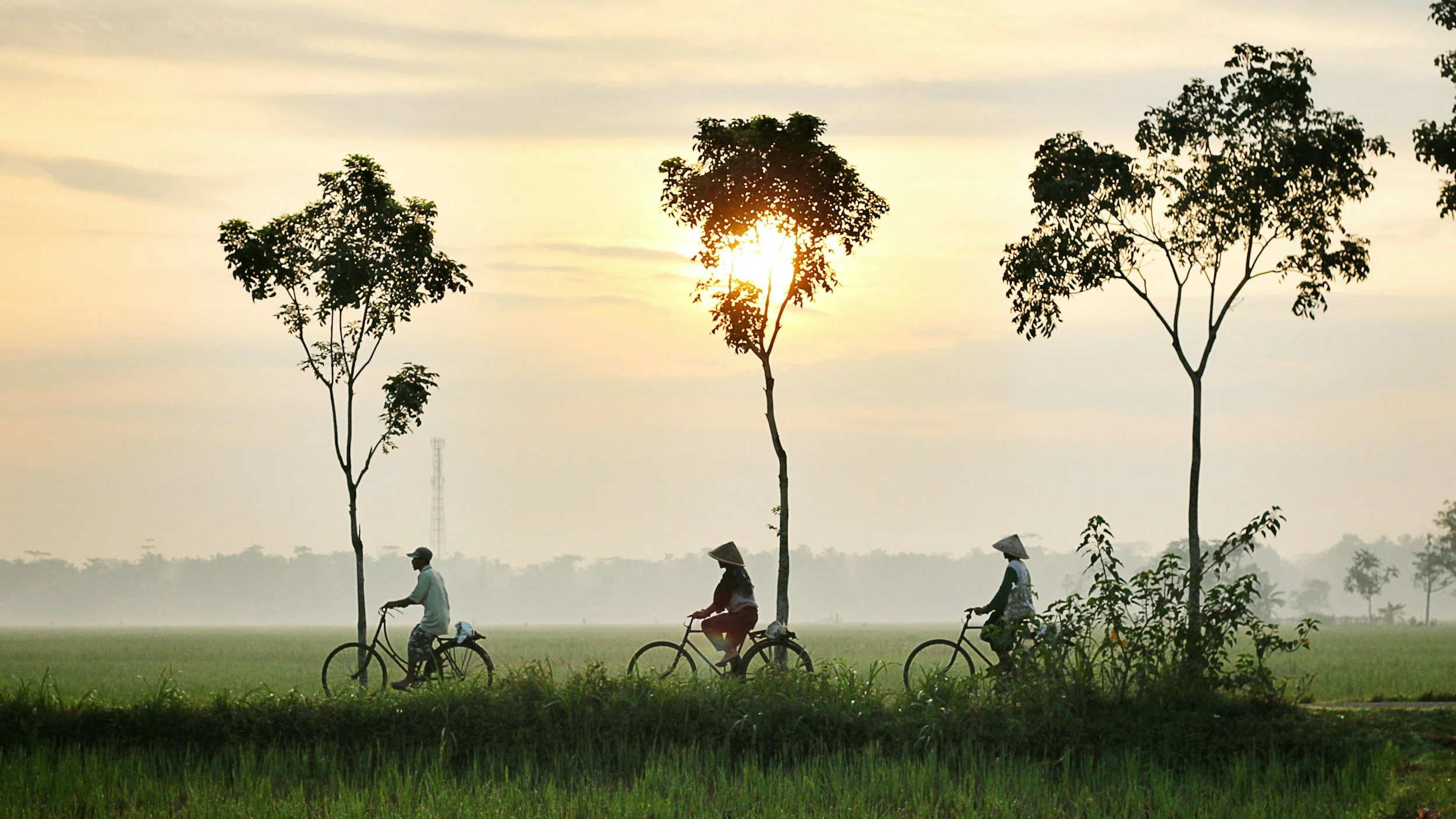
Names in Indonesia, especially amongst the Javanese, is already legally enough.
In Myanmar, 90% of the population has no surname. Names are often chosen based on traditional astrology and an eight-day calendar, in which Wednesday is split into two distinct periods (AM and PM). A child born on a Monday might be named "Aung" (Success) because their birth day dictates specific allowed consonants. Here, honorifics like U (Uncle) or Daw (Aunt) are so integral that they are often mistaken by foreigners as part of the legal name.
Living history: The Icelandic patronymic
Iceland is a fascinating outlier. They have legally resisted the transition to hereditary family names for over a thousand years. Instead, they use a patronymic (or matronymic) system:
A son of Jón becomes Jónsson.
A daughter of Jón becomes Jónsdóttir.
A non-binary child may use the suffix -bur (child of).
This means in an Icelandic household, every member might have a different "last name." To protect this heritage, the Icelandic Naming Committee (Mannanafnanefnd) reviews all new names to ensure they can be "declined" in accordance with complex Icelandic grammar. Names like "Harriet" or "Duncan" have historically been rejected because they lacked a constructible genitive form in Icelandic.
The Iberian balance: Spain and Portugal
The dual-surname system in Spain and Portugal offers a unique masterclass in lineage balance. Unlike the English tradition, where the mother’s name often disappears, Iberian cultures preserve both.
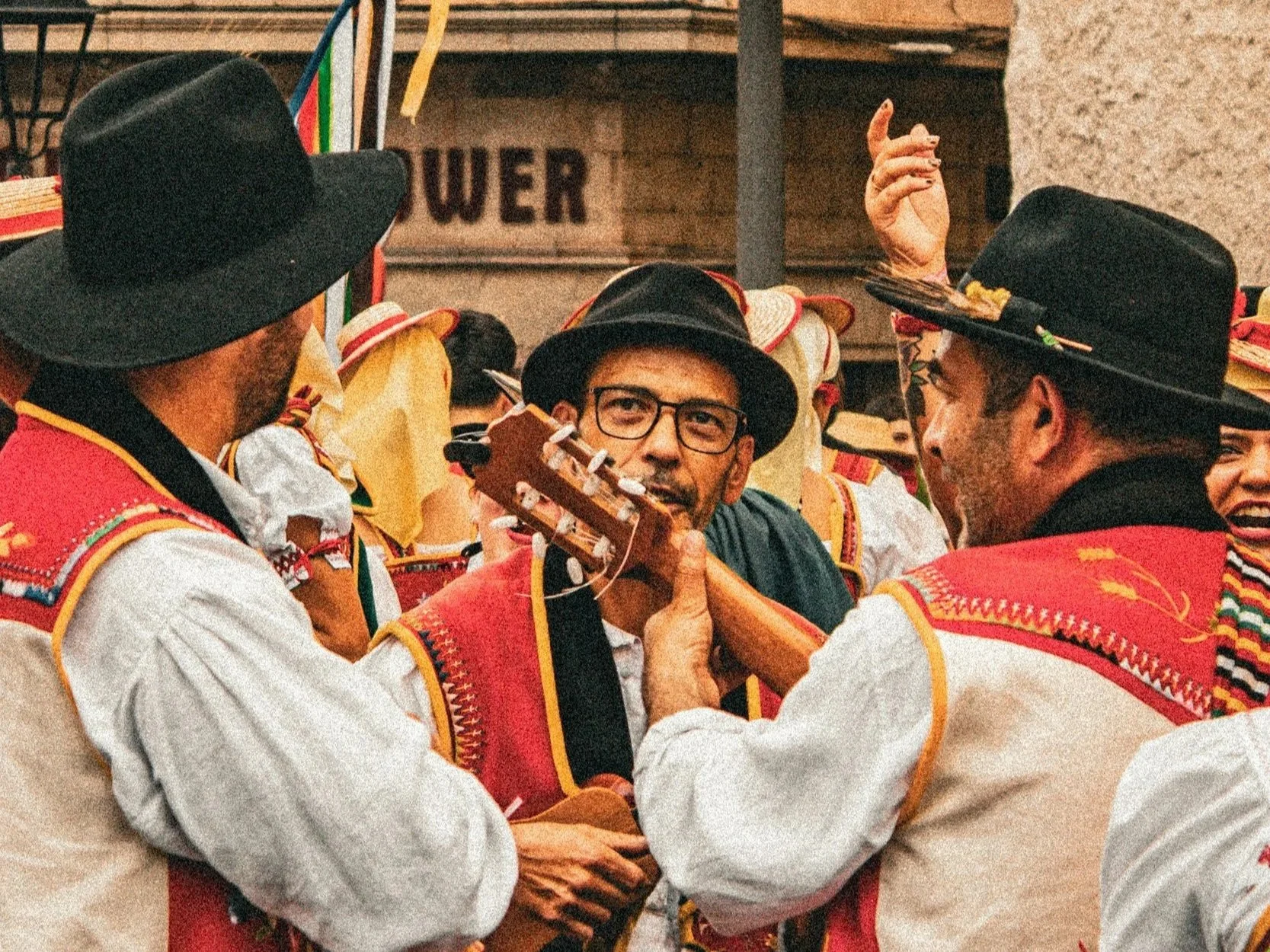
For Spanish, names embrace the whole story of the big families.
In Spain, you carry your father’s first surname followed by your mother’s first surname. In Portugal, the maternal name typically comes first, followed by the paternal. Since 2017, Spanish parents are no longer required to put the father’s name first by default; they must explicitly choose the order. This ensures that women do not "lose" their names upon marriage, a practice that aids genealogists in tracing family lines across centuries.
Status and respect: The Malay world
In Malaysia, naming is a blend of patronymics and intricate social architecture. Most Malays use the Arabic-derived bin (son of) or binti (daughter of), followed by their father's name.
However, the defining feature of Malay naming is the hierarchy of titles. Hereditary titles like Tengku or Raja denote royal descent. Meanwhile, state-conferred honours such as Tun, Tan Sri, or Datuk reflect a person’s achievements in business or government. In a professional setting, these titles often supersede the name itself; addressing a "Datuk" as "Mr. [Name]" can be seen as a significant breach of etiquette.
The "state legibility" trap
The root of the Western binomial (first-last) system that has become the global "standard” may point to something called state legibility.

Names different from Western world standards still entail trouble when it comes to paperwork and travelling.
As governments grew, they needed to track citizens for taxation, conscription, and land records. Fixed, hereditary surnames were a bureaucratic tool imposed from the top down. Colonial powers often forced these models onto indigenous populations, such as when the Canadian government assigned "disk numbers" to the Inuit in the 1950s as a means of "civilizing" and cataloguing them.
Digital challenge
In 2026, the challenge isn't colonial administrators, but database architects. Global identity standards (like ICAO for passports) often force diverse naming traditions into rigid tokens.
When we design systems that require a "last name," we aren't just creating a technical field; we are engaging in a form of "cultural erasure". This leads to "dignitary harm," where professionals find their identities mangled by bad defaults.
As we lead increasingly global teams, understanding the rules by which our colleagues were named is an act of respect. It’s time our software systems and our professional etiquette evolved to reflect the rich, non-linear tapestry of human identity.
COFFEE WITH BERT
This is to bring you the richness of global traditions straight to your desktop.
Join Bert Nguyen - one of our copywriters, as we journey beyond borders—celebrating diversity, bridging cultures, and uncovering the stories, places, and people that make our world so fascinating.
