Beyond the Cerulean Sweater: How The Devil Wears Prada Illuminates Women’s Roles in the Creative World
Nearly twenty years after Miranda Priestly first redefined the "cerulean" landscape of our professional lives, the 2026 sequel is set to hit theatres on May 1. While the 2006 original captured the height of print media’s dominance, the return of Meryl Streep, Anne Hathaway, and Emily Blunt offers something much deeper than nostalgia: a longitudinal study of how women’s roles in the creative industry have evolved from entry-level survival to high-stakes authority.
The real legacy of The Devil Wears Prada is never solely the memes; it was a watershed moment for Hollywood's treatment of “women at work” stories. It validated the creative world, especially the fashion industry, as a high-stakes arena where choices have serious consequences. As we prepare for the next chapter, let’s analyze the three major contributions this franchise has made to the image of the professional woman.
A real professional force
Before 2006, fashion and creative industries were often treated as a "frivolous" backdrop for romantic comedies. The Devil Wears Prada changed that by framing the magazine office as a stage for identity, power, and individual transformation. It’s safe to say that the movie taught a generation that our clothes and our work lives are inseparable.
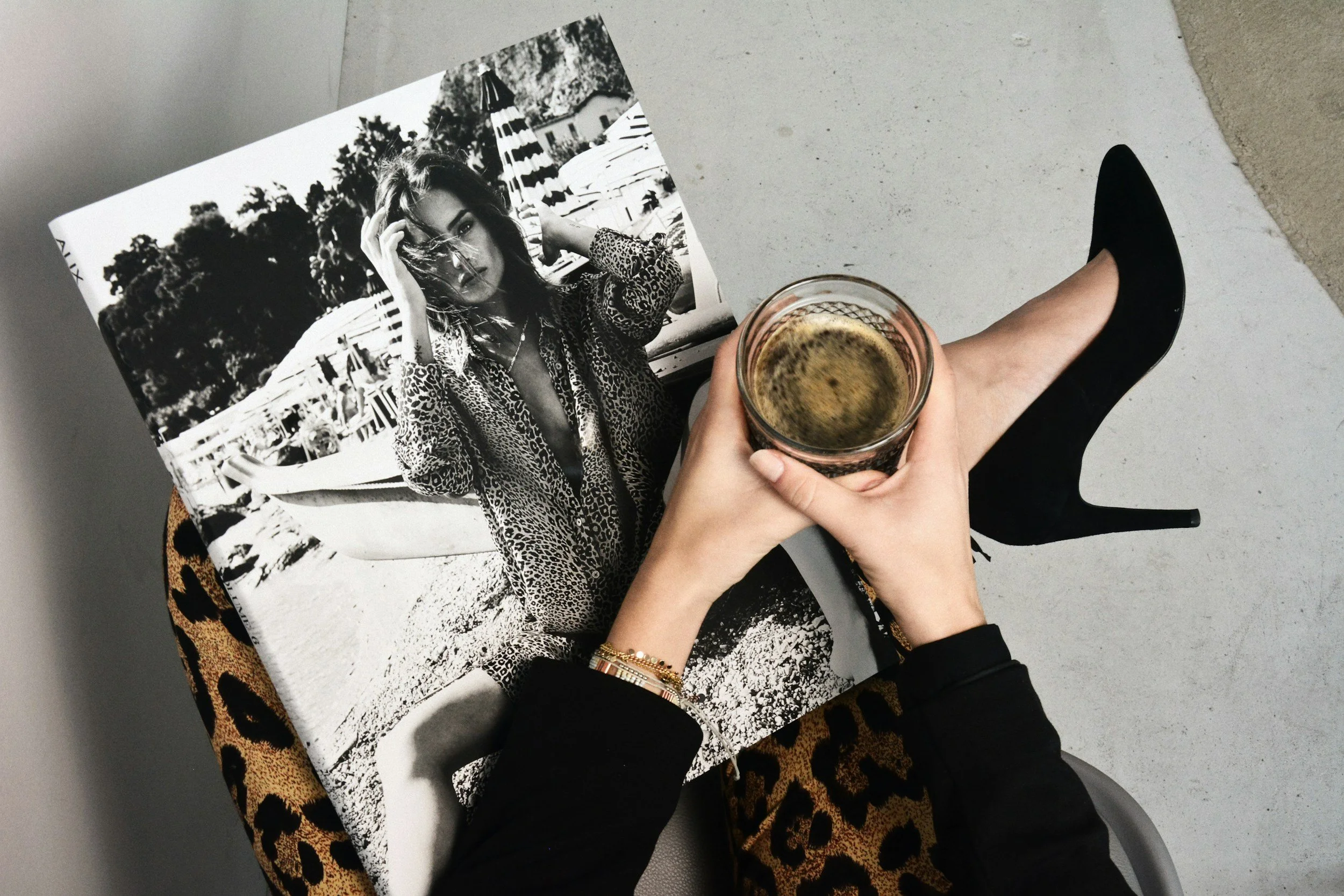
The Devil Wears Prada presented women as intelligent, career-focused individuals rather than mere objects of the "male gaze."
In the original, Andy Sachs’ transformation from a "shy, irresistible" assistant into a polished professional was a study in using fashion as a means to enhance workplace competence. It presented women as intelligent, career-focused individuals rather than mere objects of the "male gaze." By the 2026 sequel, this validation is complete: Andy returns not as a bumbling assistant, but as a seasoned Features Editor, reflecting the real-world maturation of the female professional archetype.
From "Ice Queen" to authentic leader
Miranda Priestly gave us one of pop culture's most iconic bosses: cold, unrelenting, and undeniably powerful. For years, fans debated whether she was the ultimate villain or a "girlboss" role model who simply held high standards in a cutthroat world. I myself was also baffled about how to make sense of this character.
Evidently, the world of 2026 has undergone tremendous changes. Modern leadership now demands a blend of "vision with vulnerability" and "excellence with empathy." The sequel reflects this by placing Miranda on "less secure ground" as print media declines, forcing a recalibration of power.
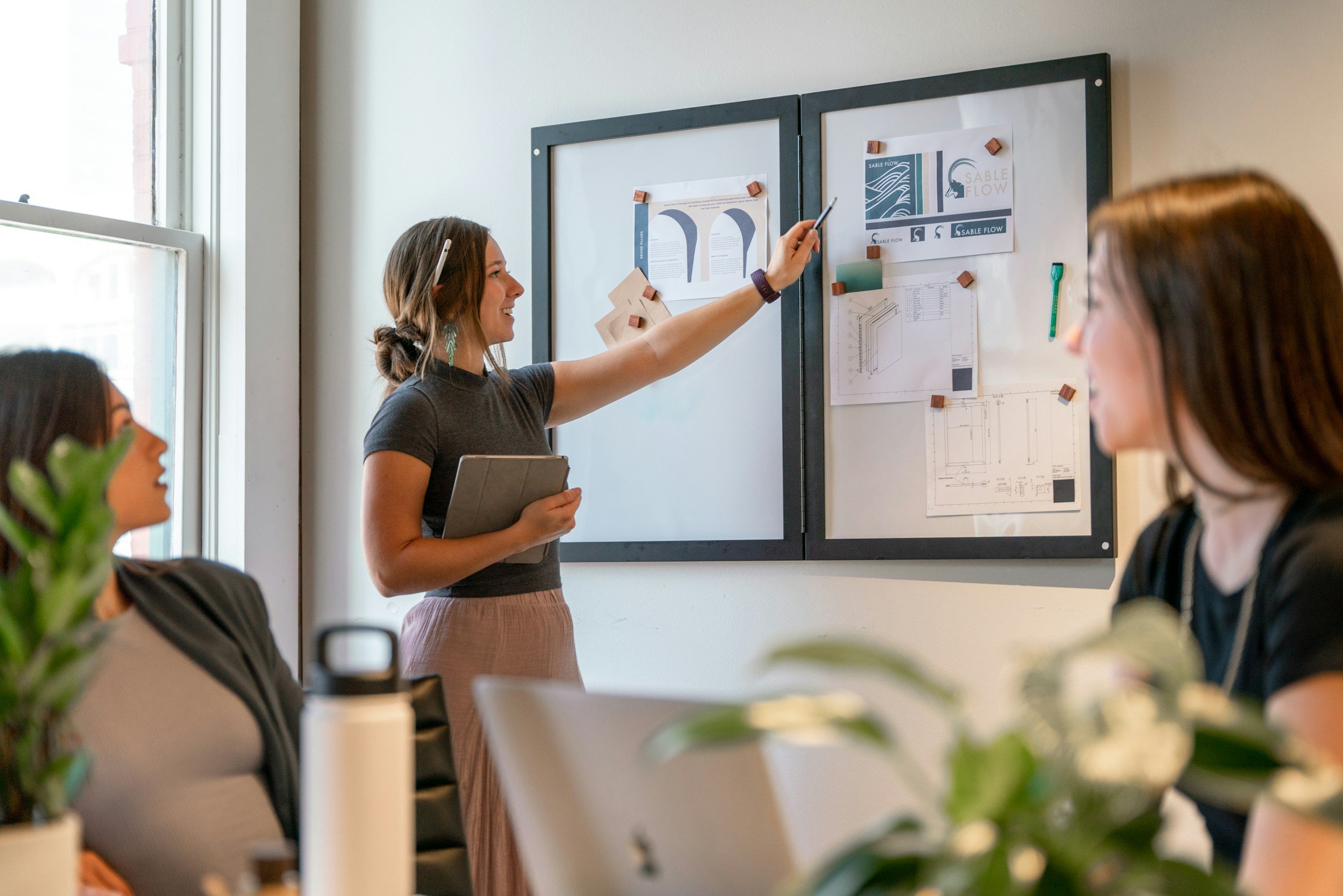
We see a shift from the “trial by fire" mentorship to one with strategic alliances and professional growth.
We see a shift from the “trial by fire" mentorship of 2006, which often normalized burnout and toxic competition, to a 2026 model focused on strategic alliances and professional growth. The narrative has moved away from women pitted against each other for a single leader's approval toward a landscape where solidarity is a necessary survival skill.
The power reversal: Media vs. commerce
One of the most significant contributions of the 2026 sequel to our understanding of creative roles is the "power reversal" between editorial and commerce. Emily Charlton, once the anxious assistant, returns as a high-powered executive at a luxury conglomerate.
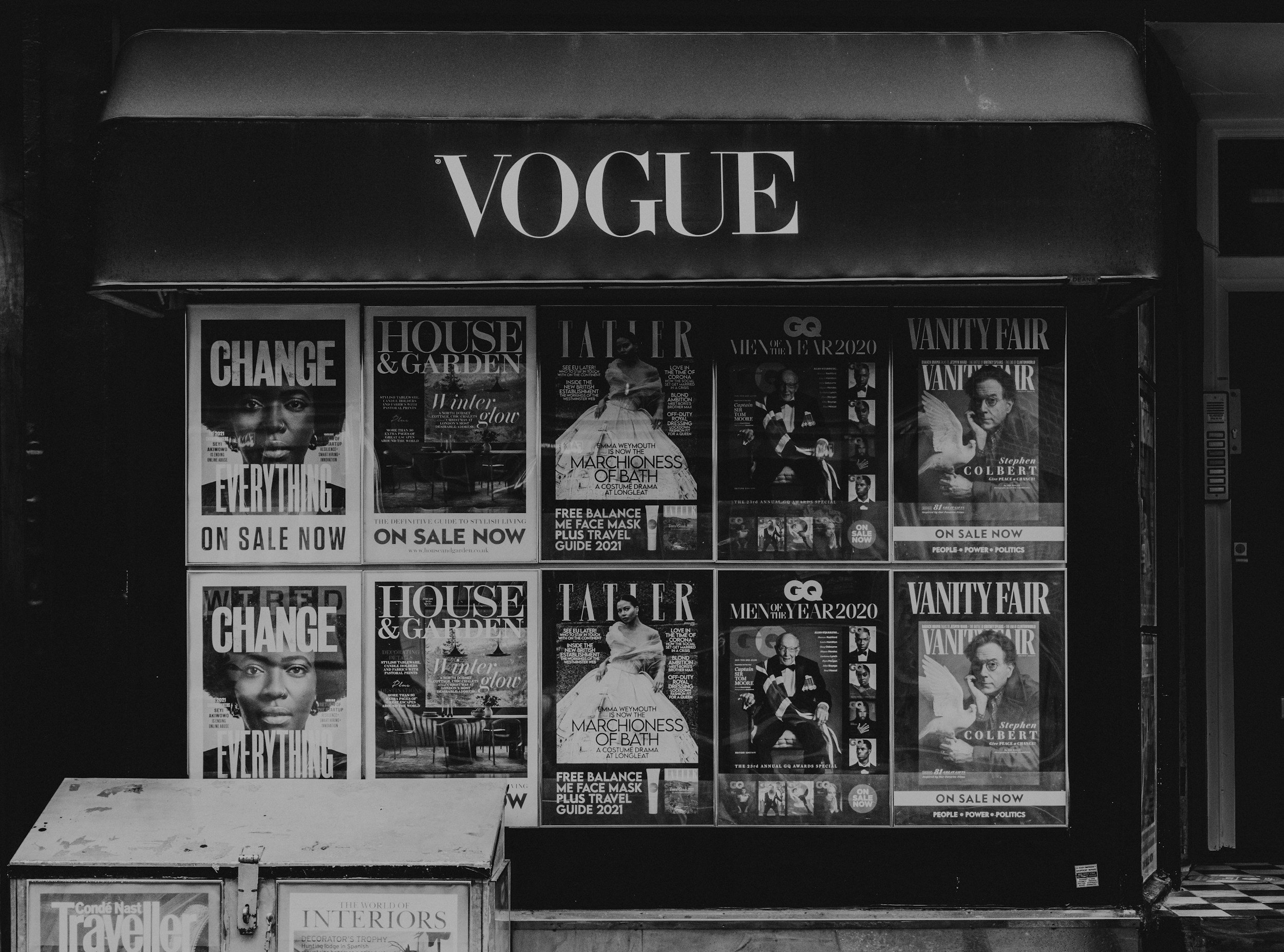
The power has migrated from independent media houses to the large corporations that own the brands themselves.
This shift accurately mirrors the contemporary creative world, where power has migrated from independent media houses to the large corporations that own the brands themselves. For women in 2026, professional authority is no longer just about having the "perfect eye" for a layout; it’s about controlling the multi-million dollar advertising budgets and navigating the "media/fashion/influence complex."
A new professional DNA
Our earlier articles on the Flynde blog discussed how the current technological and social changes have essentially shaped demands for the workforce. Surely, that also counts women working in the creative world. Indeed, the creative roles women occupy today require a new set of skills that the sequel prominently features. Let’s list out some of them:
AI-Literacy: Future creative leaders must be "AI-native and human-native," leveraging technology while protecting "unique human elements" like intuition and cultural understanding.
Sustainability & Accountability: Unlike the original, the modern landscape is vocal about fashion sustainability and representation, making ethical leadership a core competency rather than an afterthought.
Human-Native Journalism: As algorithms dictate visibility, the "prestige" of the creative voice remains the ultimate differentiator in a world flooded with "low-quality AI content."
Whether Miranda Priestly is fighting for her empire or Andy Sachs is fighting for a "good story," the franchise reinforces a vital truth: in the high-stakes world of creativity, authority is earned, not just posted. And yet, as The Devil Wears Prada 2 is yet to be released, I’m sure there will be more to discover about how women are contributing significantly to the publishing and fashion world. Therefore, gird your loins!

About the Author
Bert Nguyen is a Copywriter with Flynde, a global company specializing in translation solutions for businesses of all sizes.
Discover the best-in-class translation solutions for your business. Trusted & certified for all languages with locations in Australia, Singapore, Switzerland & the USA. Flynde takes human translation strategies and uses advanced technologies to deliver them to our customers across our three business lines: Flynde for startups, Flynde for small businesses, and Flynde for corporations.
For more information, contact us at hello@flynde.com