Smart Homes and "Thinking" Wearables: The Next Frontier of Home-Based Care
The healthcare landscape is currently undergoing its most significant structural shift since the post-war era. For decades, the "hospital" was the undisputed centre of the medical universe. But as we move through 2026, the gravity has shifted. High-acuity clinical care is migrating into the one place we all prefer to be: our own living rooms.
This isn’t just a trend for the "worried well" with fitness trackers; it’s a sophisticated, technology-enabled transformation of the modern medical continuum. With a projected compound annual growth rate (CAGR) of 15.2% through 2029, home healthcare is no longer a supporting service. In fact, it is becoming the pillar of our healthcare system.
The demographic "silver tsunami" meets high-acuity care
The primary engine of this change is demographic necessity. By 2030, over 72 million Americans, roughly 20.7% of the population, will be aged 65 or older. Among this group, 93% manage at least one chronic condition, and nearly 79% manage two or more.
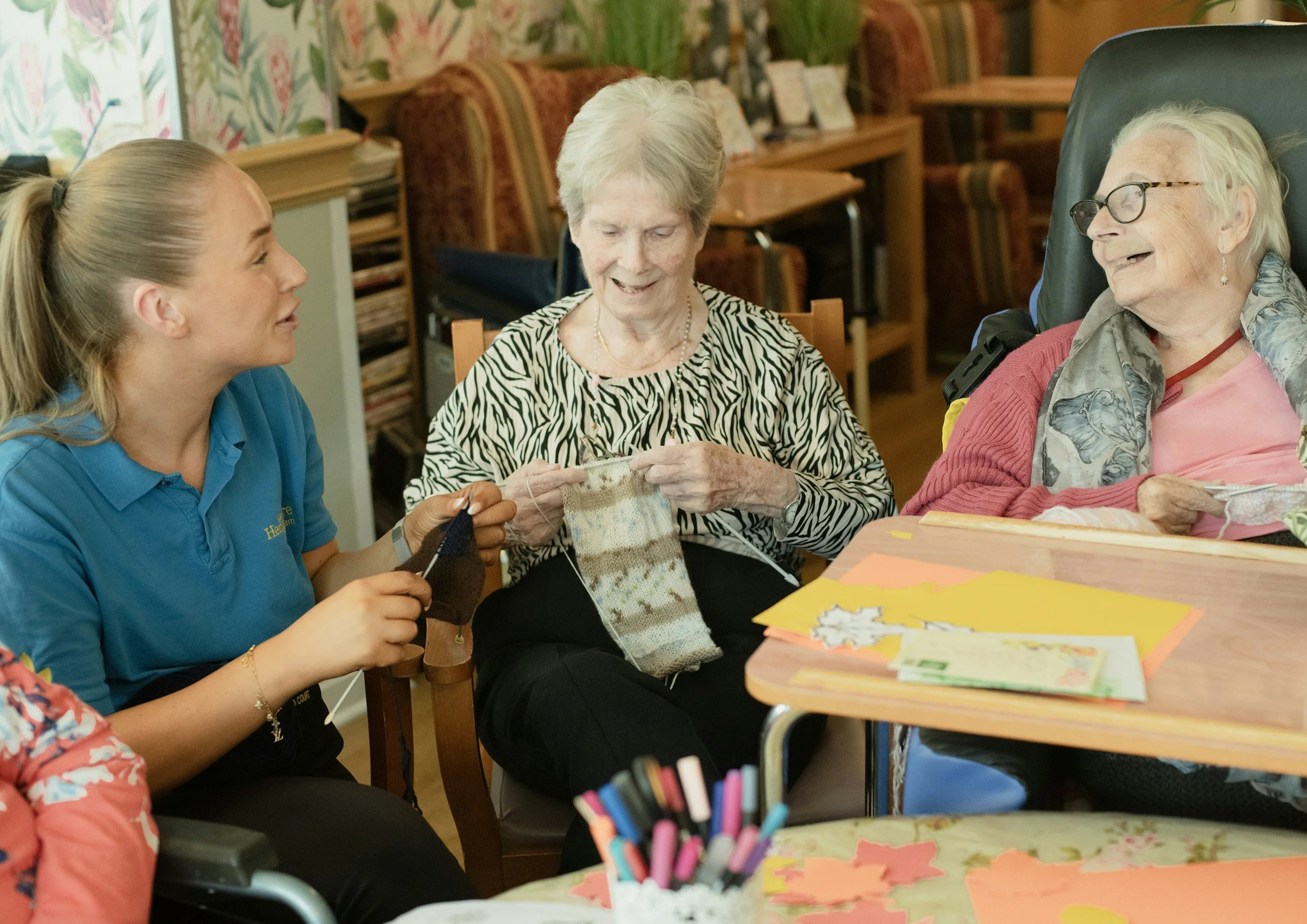
Elderly groups serve as the driving force behind home-based care.
Institutional care simply cannot scale to meet this volume. Consequently, we are seeing the rise of "Hospital-at-Home" (H@H) and "SNF-at-Home" (Skilled Nursing Facility) models. Research shows that patients in these programs often recover more effectively in familiar surroundings. Programs like the one at Mass General Brigham have seen significant reductions in hospital-acquired infections, while Johns Hopkins reports cost savings of 19% to 30% per episode compared to traditional inpatient care.
From tracking to "thinking"
If the early 2020s were about collecting data, 2025 and 2026 are about making that data useful. We’ve entered what experts call the "quiet AI revolution".
At CES 2025, we saw a clear shift toward wearables that prioritize human attention over data volume. Devices like the Circular Smart Ring and AI-powered pendants are moving beyond counting steps to interpret behaviour and predict needs, often alerting caregivers to subtle changes in health before an emergency occurs.
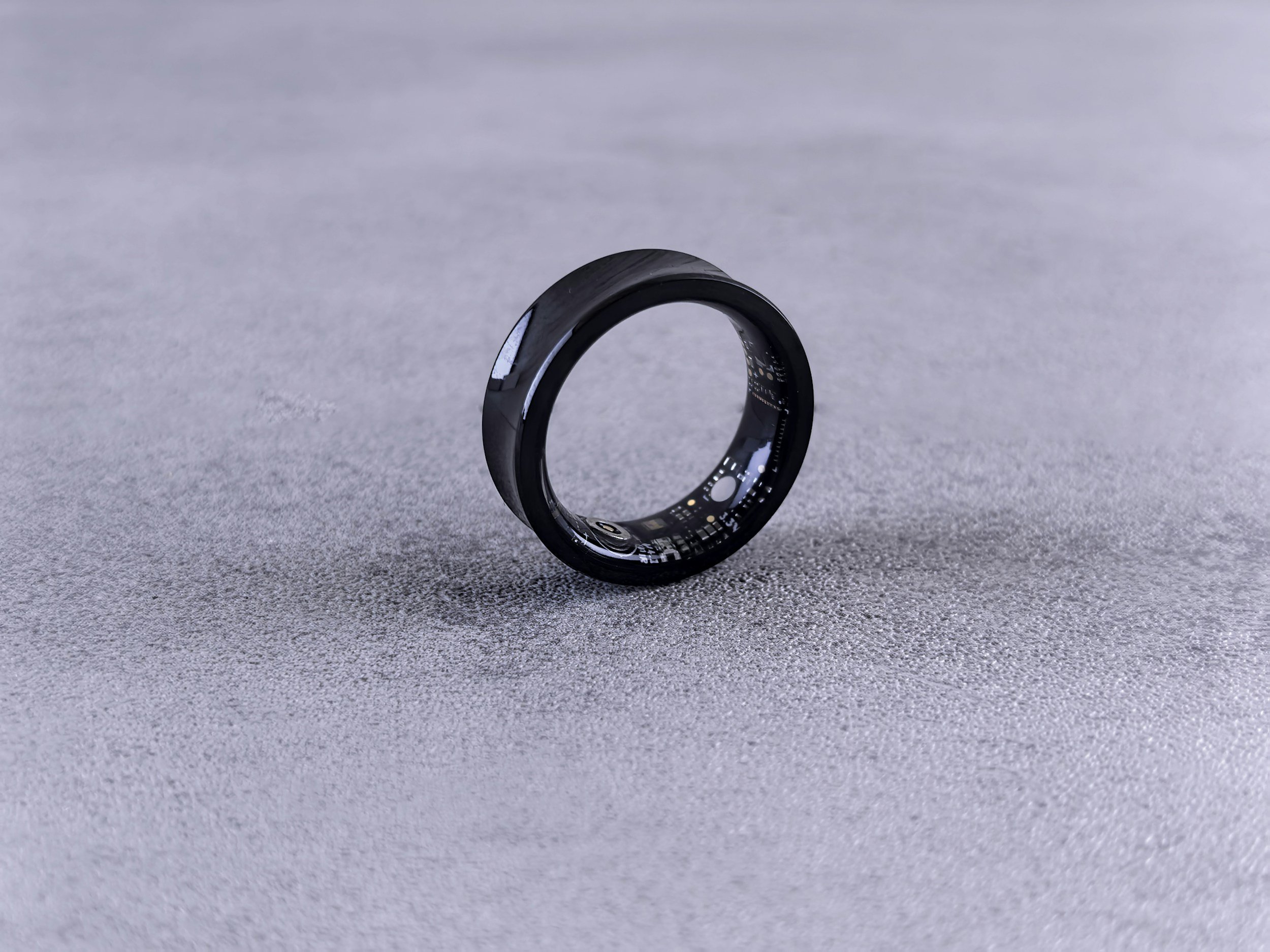
Oura Ring 4 - a smart ring to supervise health and wellness
Furthermore, "ambient intelligence" is creating a digital safety net. Smart home ecosystems now use motion and fall-detection sensors that learn a senior’s routine, sending an alert if a meal is missed or if there is unusual nighttime activity. This shifts the paradigm from reactive emergency response to proactive prevention.
Dialysis and wound care in the living room
We are also seeing complex clinical procedures move into the home.
Home Dialysis: Companies like Vantive are leading a shift toward automated peritoneal dialysis (PD) systems that operate while patients sleep, enabling 68% to 73% of patients to maintain their employment, compared with just 57% of those receiving in-centre care.
Advanced Wound Care: Chronic wounds, particularly in diabetic patients, are being managed with smart dressings that monitor pH and moisture levels in real time and alert nurses to early signs of infection via mobile apps.
The workforce reality check
Despite the technological breakthroughs, we are facing a structural crisis. By 2030, the U.S. will face a shortage of over 200,000 registered nurses and 300,000 licensed practical nurses.

AI agents are a growing force in facilitating home-based care.
The industry is responding by using AI to "rebuild from within." Intelligent automation is taking over the administrative heavy lifting, which includes handling referrals, eligibility checks, and scheduling, to reduce caregiver burnout. Agencies using these "AI agents" have reported up to an 80% reduction in manual data entry, allowing clinicians to focus more on human connection and less on paperwork.
What the future holds
As we look toward 2030 and beyond, the home will become a clinical hub. But the real challenge isn't just about the gadgets; it’s about maintaining the human heart of healthcare.
The most successful organizations in the coming years will be those that use technology to support, rather than replace, empathy. We are moving toward a world where your smart home is your doctor’s eyes and ears, where AI handles the scheduling, and where your nurse has the time to actually sit and talk to you.
The future of care is personal, proactive, and precisely where we want it to be: at home.

About the Author
Bert Nguyen is a Copywriter with Flynde, a global company specializing in translation solutions for businesses of all sizes.
Discover the best-in-class translation solutions for your business. Trusted & certified for all languages with locations in Australia, Singapore, Switzerland & the USA. Flynde takes human translation strategies and uses advanced technologies to deliver them to our customers across our three business lines: Flynde for startups, Flynde for small businesses, and Flynde for corporations.
For more information, contact us at hello@flynde.com