Kakeibo: The Gentle Japanese Way to Save Money Without Hating Your Life

Bert Nguyen
Associate Language Manager and Copywriter at Flynde
So here we are on the very first days of 2026, meaning it’s time for a financial makeover. If you’ve ever promised yourself you’d “be better with money this year” only to forget that promise two weeks later, you’re not alone, because I have been like that for years and years. Budgeting apps get ignored, spreadsheets feel like work, and the guilt that comes with overspending can turn money management into something we’d rather avoid altogether.
That’s why Kakeibo, an old Japanese method of mindful money management, may be a good tool for your financial resolutions this year. “Kakeibo” (家計簿, literally “household financial ledger,”) has been around since the early 1900s. Motoko Hani developed it. She was the first female journalist in Japan, where she had her work published for the first time in a women's newspaper in 1904.
At its heart, Kakeibo is simply this: write down your money, think about your money, and make decisions that feel aligned with the life you actually want. No apps required. Just a notebook, a pen, and a few honest conversations with yourself. Instead of restrictions, this method is all about awareness, intention, and building a calmer relationship with your finances.
How kakeibo works and how it may be helpful
Unlike most budgeting systems that focus on strict targets, Kakeibo gently asks you to slow down and notice your spending. This is, in fact, aligned with the cottage core’s preference of an analogue lifestyle. Indeed, it is proven that there’s something powerful about putting pen to paper. When you actually see where your money goes, the impulse buys stop feeling invisible. They become choices.
And that’s a huge part of Kakeibo’s magic: it’s not about punishment. It’s about becoming conscious.
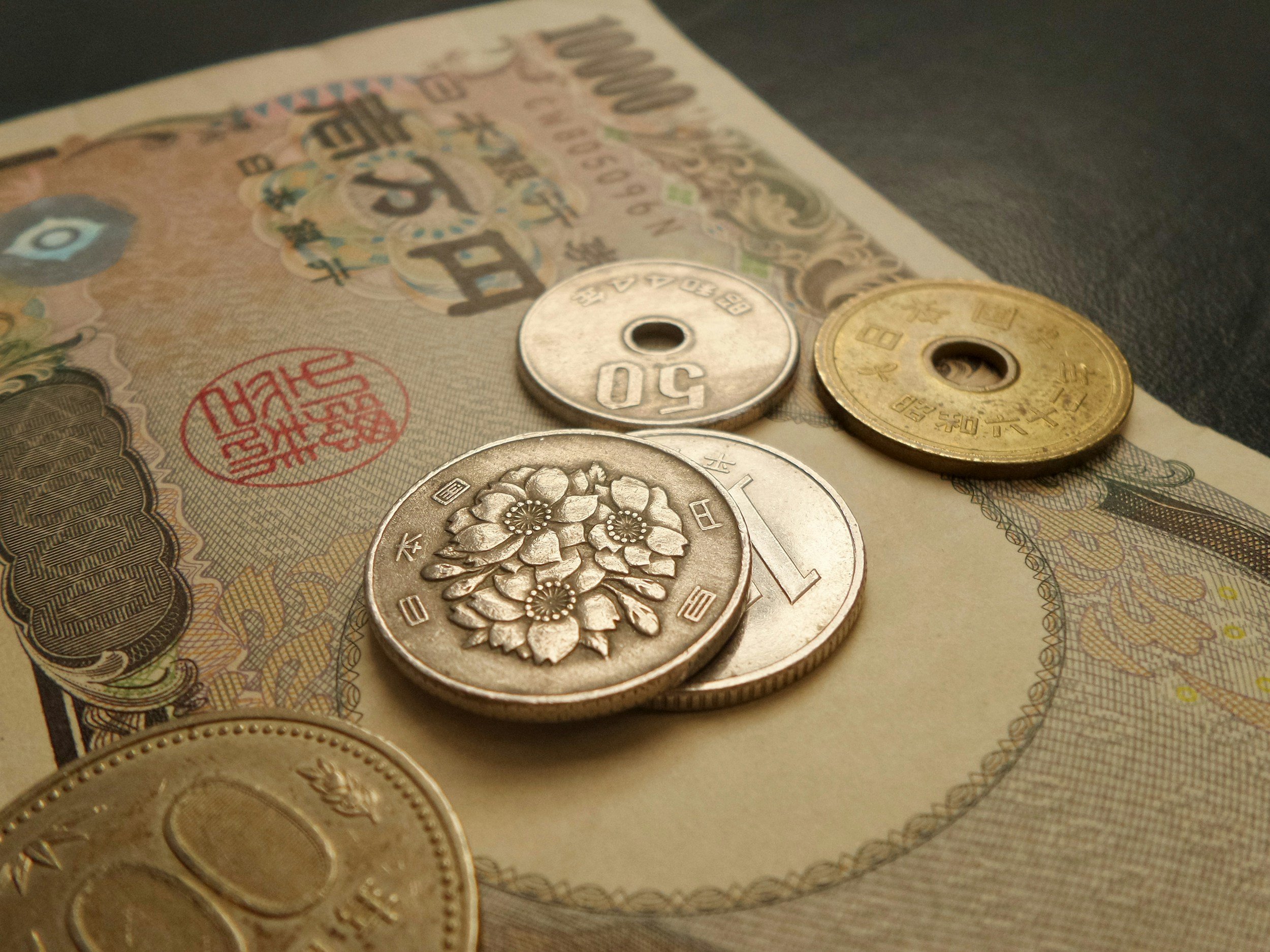
Kakeibo (家計簿, literally “household financial ledger,”) has been around since the early 1900s.
Kakeibo invites you to start each month with four simple questions:
How much money do I have?
This includes your income and whatever’s already in your account.How much do I need to spend?
Think rent, bills, food, transportation, in other words, your non-negotiables.How much do I want to save?
Be realistic but optimistic. The goal is empowerment, not pressure.How will I stay motivated?
Why do you want to save? Is it peace of mind? A future trip? Debt freedom? Clarity matters.
From there, Kakeibo groups spending into four simple categories:
Needs: essentials, the things you literally require
Wants: nice-to-haves that make life enjoyable
Culture: books, music, movies, learning, experiences that nourish your mind
Unexpected: emergencies or unplanned expenses
What you get in the end is simple, human-centred reflection. Each purchase has a story. You just start paying attention to it.
It’s more than “stop buying”
A lot of budgeting advice feels like scolding. “Don’t buy lattes.” “Stop eating out.” “You could own a house if you never had fun again.” Kakeibo says something different: you’re allowed to enjoy your life. Just do it consciously.
If a coffee out with a friend genuinely makes your day better, that’s great!. It goes into “Wants” or “Culture.” You chose it, you valued it, and you don’t have to feel guilty about it. But if you buy coffee because you’re stressed, bored, or scrolling through a bad day, that’s a different conversation.
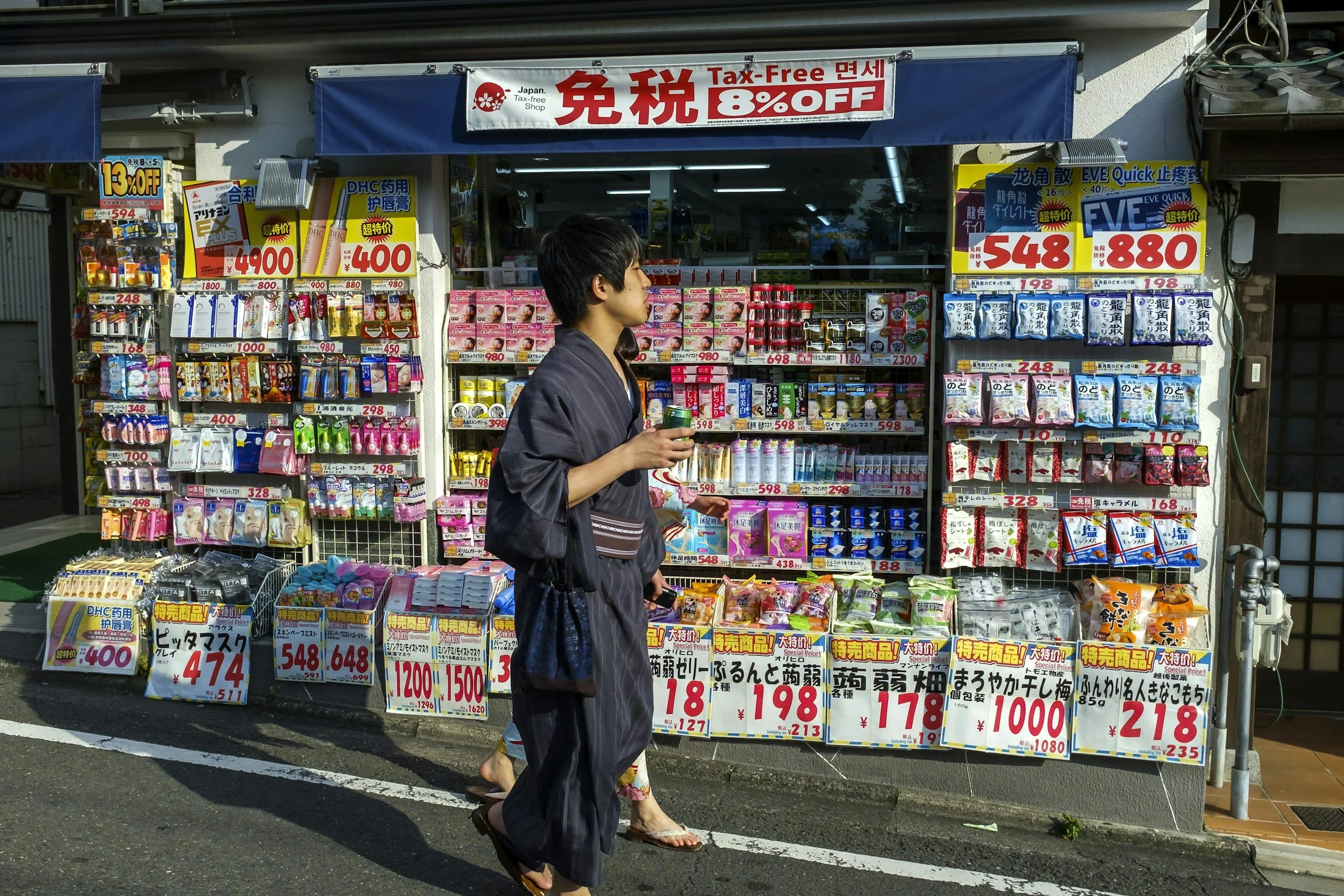
Saving doesn’t mean giving up the fun of life.
In principle, kakeibo helps you ask: Was this purchase necessary? Did it bring joy? Could I live without it? What would I rather have done with that money? It’s this awareness that leads to change naturally.
Reflection is where the growth happens
At the end of each month, you don’t just total the numbers. Instead, you sit down, breathe, and ask yourself these vital questions:
How did I feel about money this month?
What surprised me?
Where did I overspend?
Where did I do well?
What do I want to try differently next month?
Only then that you begin to notice patterns, which go beyond digits and calculations, even to the realm of emotions. Bit by bit, you get to know yourself better. Your money story becomes clearer. And when you understand your habits, you take back control of your budget.
It starts small
Kakeibo doesn’t demand overnight transformation. It honours small improvements. Saved $20 more than last month? That’s success. Stopped one unnecessary purchase? Progress. Became aware of how you react when stressful things happen? That’s growth too.
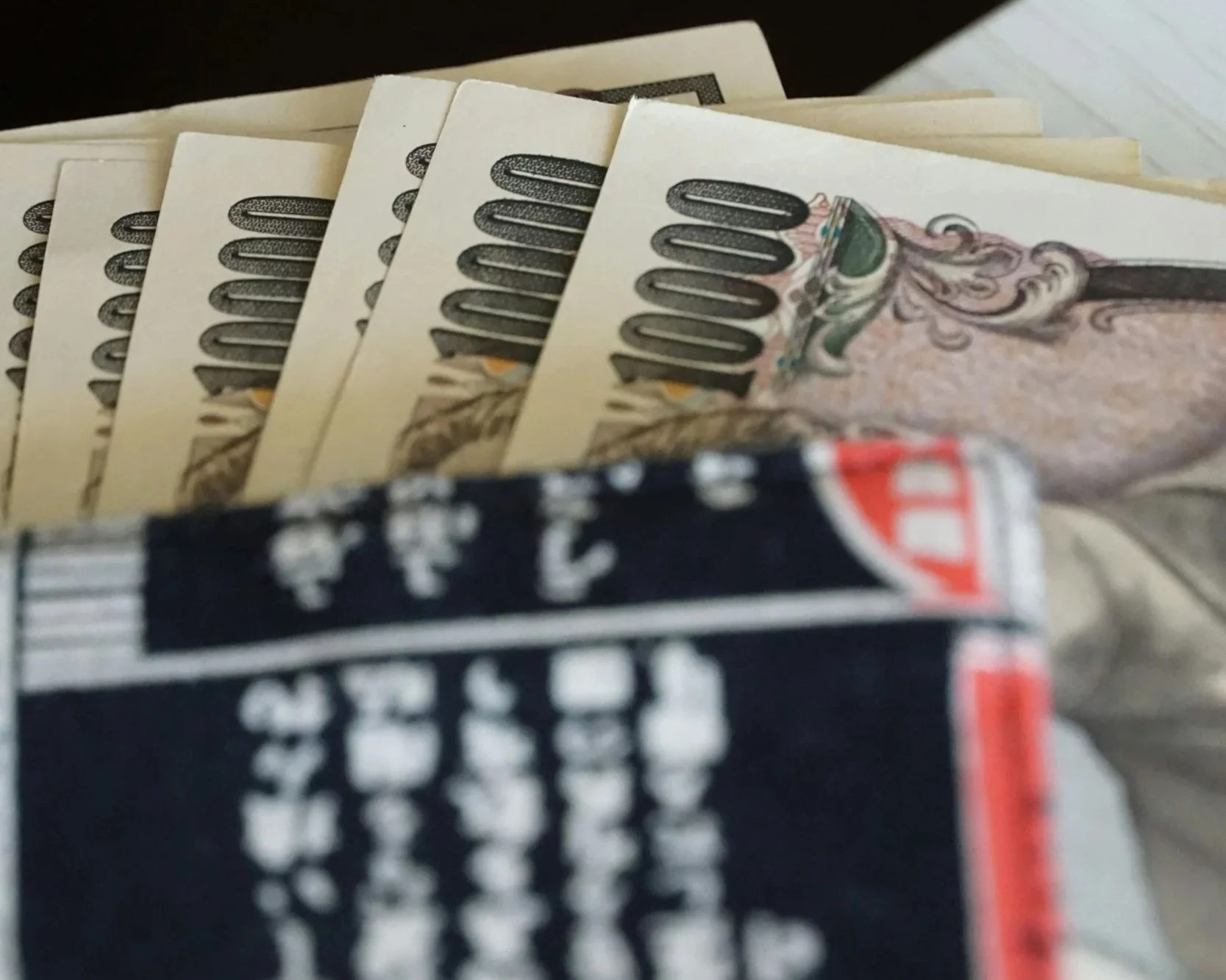
Your future financial understanding
Over time, people who practice Kakeibo often report not just more savings, but lighter hearts. Less anxiety. More calm. Kakeibo hits us right in our emotions. It ties to our fears, our hopes, our dreams, our sense of security. When you handle money with mindfulness instead of panic or avoidance, life genuinely feels steadier.
How to start today
However, I must admit that even Kakeibo demands determination and consistency, which I didn’t have in the past years. Yet, the more I explore it, the more I realise how relevant this method is. So, why don’t you join me on this kaikabo journey? Starting is beautifully simple:
Get a notebook. Any notebook.
Write the four beginning-of-month questions.
Set your categories.
Write down every expense by hand.
Reflect at the end of the month.
You don’t need perfection. You just need honesty and determination.
Be gentle to your future
Kakeibo isn’t really about money. It’s about care. It’s about respecting your future self while still loving your present one. It’s about choosing intentionally instead of drifting. And it’s about reminding yourself that you deserve clarity, peace, and stability, not constant stress about your bank balance.
So maybe this month, instead of promising yourself you’ll “be better with money,” try something gentler. Try being more aware of money. Try being curious. Try slowing down enough to notice. At the end of the day, your finances, and maybe even your mindset, might quietly transform.
COFFEE WITH BERT
This is to bring you the richness of global traditions straight to your desktop.
Join Bert Nguyen - one of our copywriters, as we journey beyond borders—celebrating diversity, bridging cultures, and uncovering the stories, places, and people that make our world so fascinating.
